
 EN
 ar
 bg
 hr
 cs
 da
 nl
 fi
 fr
 de
 el
 hi
 it
 ko
 no
 pl
 pt
 ro
 ru
 es
 sv
 tl
 iw
 id
 lv
 lt
 sr
 sk
 sl
 uk
 vi
 et
 hu
 th
 tr
 fa
 ms
 hy
 ka
 ur
 bn
 mn
 ta
 kk
 uz
 ku

Sensor Shielded Test Cable
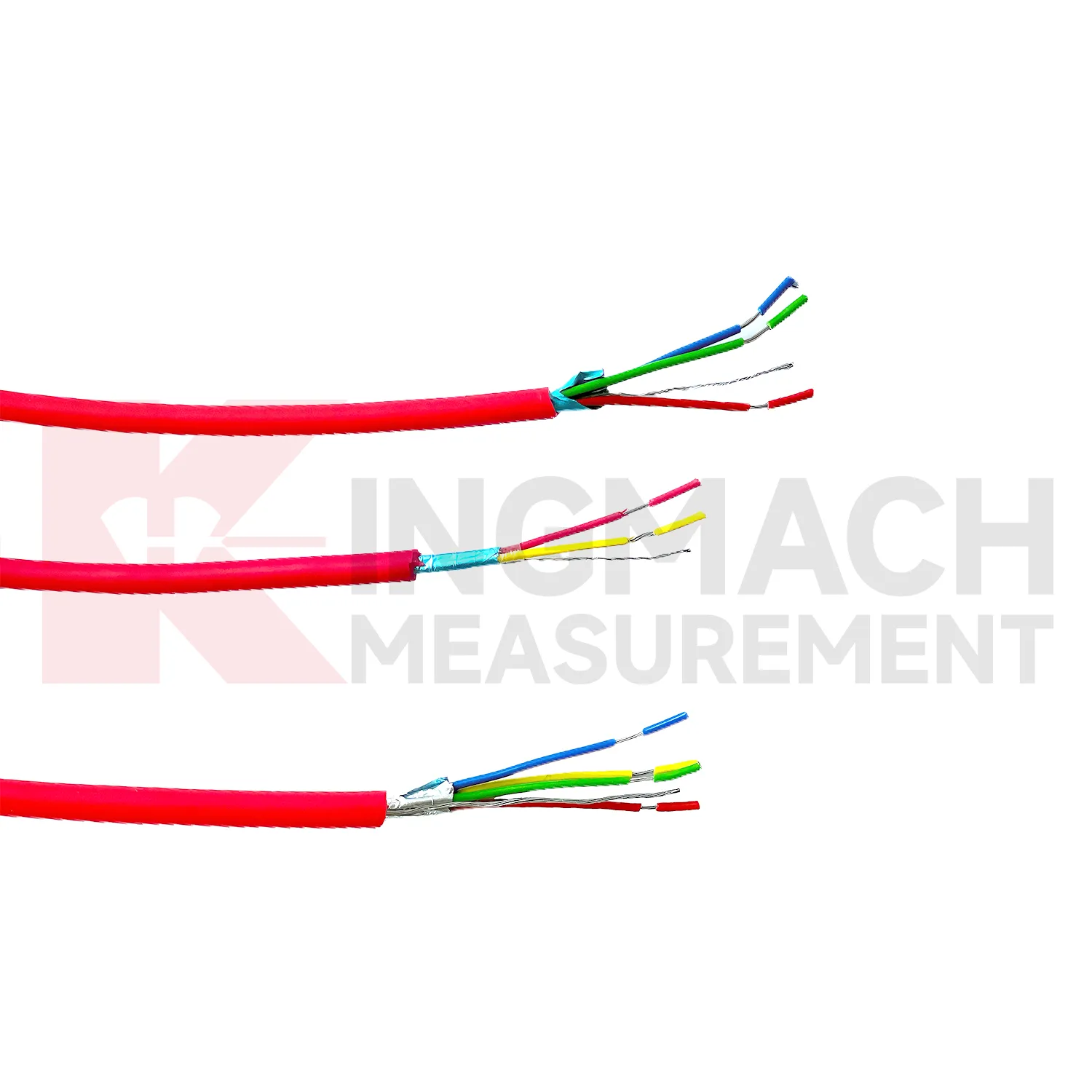
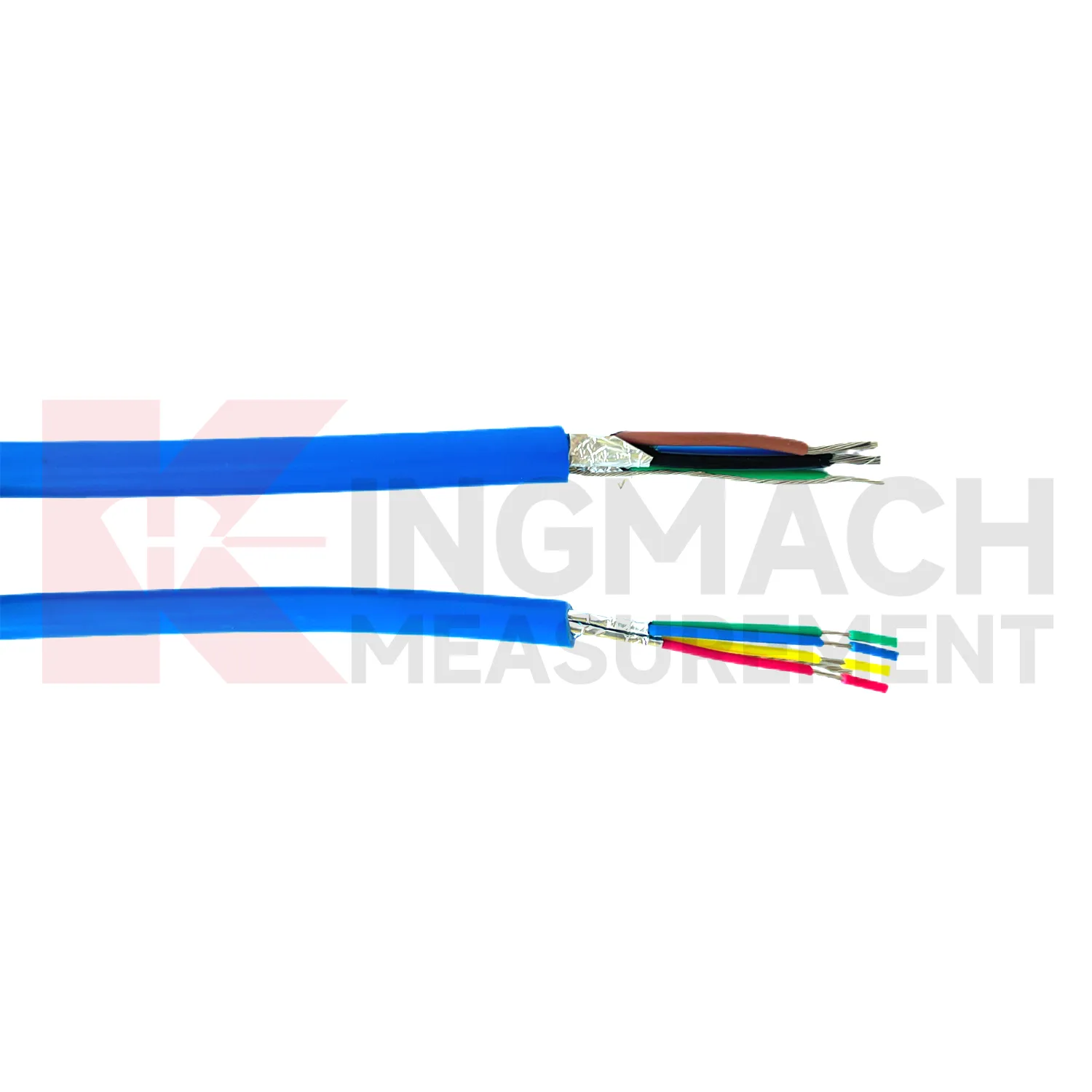
Core planning for Kingmach Sensor Shielded Test Cable should be finished before the cabinet layout is frozen. Two-core, three-core, and four-core formats support simpler instrument runs, while six-core, seven-core, nine-core, and ten-core formats help when several conductors need to follow one protected path. The local product data lists 2 m per piece for lower core counts and 6 m per piece for higher core counts. Buyers can use that information to prepare terminal blocks, labels, spare cores, and inspection notes before field crews start pulling cable.
Application of Sensor Shielded Test Cable
Wind tower monitoring uses Kingmach Sensor Shielded Test Cable to connect strain, tilt, vibration, foundation, and environmental instruments exposed to moving structures and changing weather. Cables may run inside towers, around foundations, through junction boxes, or near power equipment. Shielding helps protect weak measurement signals near electrical systems, while wear resistance helps during repeated inspection or service work. When a tower vibration or tilt record changes, the team can inspect cable fixation, connector sealing, and cabinet entry before treating the reading as a structural issue.
The future of Sensor Shielded Test Cable
As IoT monitoring grows, Kingmach Sensor Shielded Test Cable will support denser sensor layouts and more cabinet connections. A site may place many instruments around one structure, with data moving through acquisition modules, DTUs, gateways, and cloud platforms. The cable route has to remain orderly so technicians can trace channels when the online system reports abnormal data. Multi-core options, cable markings, and consistent installation records will become more important as monitoring networks move from small projects to long-running asset programs.
Care & Maintenance of Sensor Shielded Test Cable
For hydraulic JMZX-XSX cable, maintenance should focus on sealing, pulling stress, abrasion, and wet-route protection. Check sections that pass through galleries, conduits, water-level areas, drainage channels, or submerged zones. Look for sheath wear, tight bends, stretched sections, and water tracking toward junction boxes. When replacement is needed, document the old condition and the new first stable reading. This keeps future reviewers from mistaking a cable repair effect for a change in dam, water-level, or hydraulic structure behavior.
Kingmach Sensor Shielded Test Cable
Kingmach Sensor Shielded Test Cable give engineers a practical way to standardize sensor wiring across mixed instrument projects. A single structure may use vibrating wire strain gauges, load cells, displacement meters, tiltmeters, piezometers, settlement sensors, temperature sensors, and readout or data logger equipment. Without consistent cable selection and labeling, the cabinet becomes difficult to inspect after a few months of field changes. Layered shielding, multi-core options, and marked Kingmach delivery help the team maintain traceability from sensor to recorder. When later readings are reviewed, that traceability supports faster checks of channel identity, cable condition, and connection history.
FAQ
Q: What should be checked before pulling cable?
A: Confirm the drawing route, conduit condition, bend radius, wet sections, nearby power equipment, and cabinet entry position.
Q: How should a shielded cable route be handled?
A: Keep it away from strong electrical sources where possible and maintain the intended shielding practice at termination.
Q: Why are cable ends important?
A: Open or poorly sealed ends can let moisture enter the route and create unstable readings long after installation.
Q: What commissioning signs suggest a cable issue?
A: Repeated spikes, channel dropouts, flatline data, or readings that change when nearby equipment starts can point to the route.
Q: Why keep installation photos?
A: Photos show route position, cabinet entry, labels, and later changes, which makes troubleshooting faster.
Reviews
Ryan Lewis
Fast delivery and excellent product quality. The accelerometers and tiltmeters are highly reliable. Strongly recommend this company.
David Wilson
We purchased displacement transducers and settlement sensors, and the quality exceeded our expectations. Easy installation and reliable performance.
Latest Inquiries
To protect the privacy of our buyers, only public service email domains like Gmail, Yahoo, and MSN will be displayed. Additionally, only a limited portion of the inquiry content will be shown.
Charlotte***@gmail.comUnited Arab Emirates
Hi, we require instrumentation cables suitable for harsh environments. Could you advise on specifica...
Evelyn***@gmail.comSouth Africa
Hi, we are a contractor working on tunnel construction and need settlement sensors and displacement ...