
 EN
 ar
 bg
 hr
 cs
 da
 nl
 fi
 fr
 de
 el
 hi
 it
 ko
 no
 pl
 pt
 ro
 ru
 es
 sv
 tl
 iw
 id
 lv
 lt
 sr
 sk
 sl
 uk
 vi
 et
 hu
 th
 tr
 fa
 ms
 hy
 ka
 ur
 bn
 mn
 ta
 kk
 uz
 ku

Structural Safety Assessment
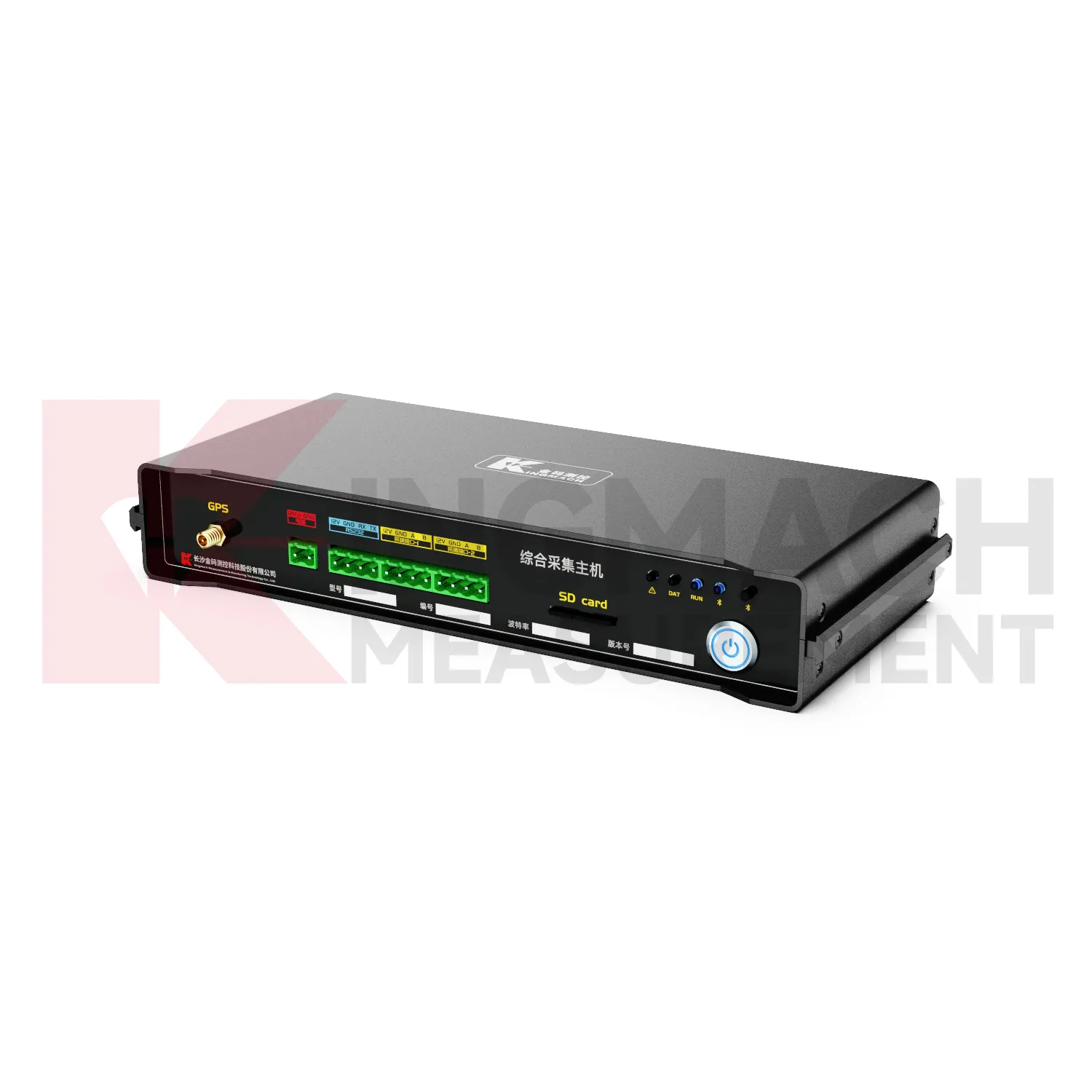
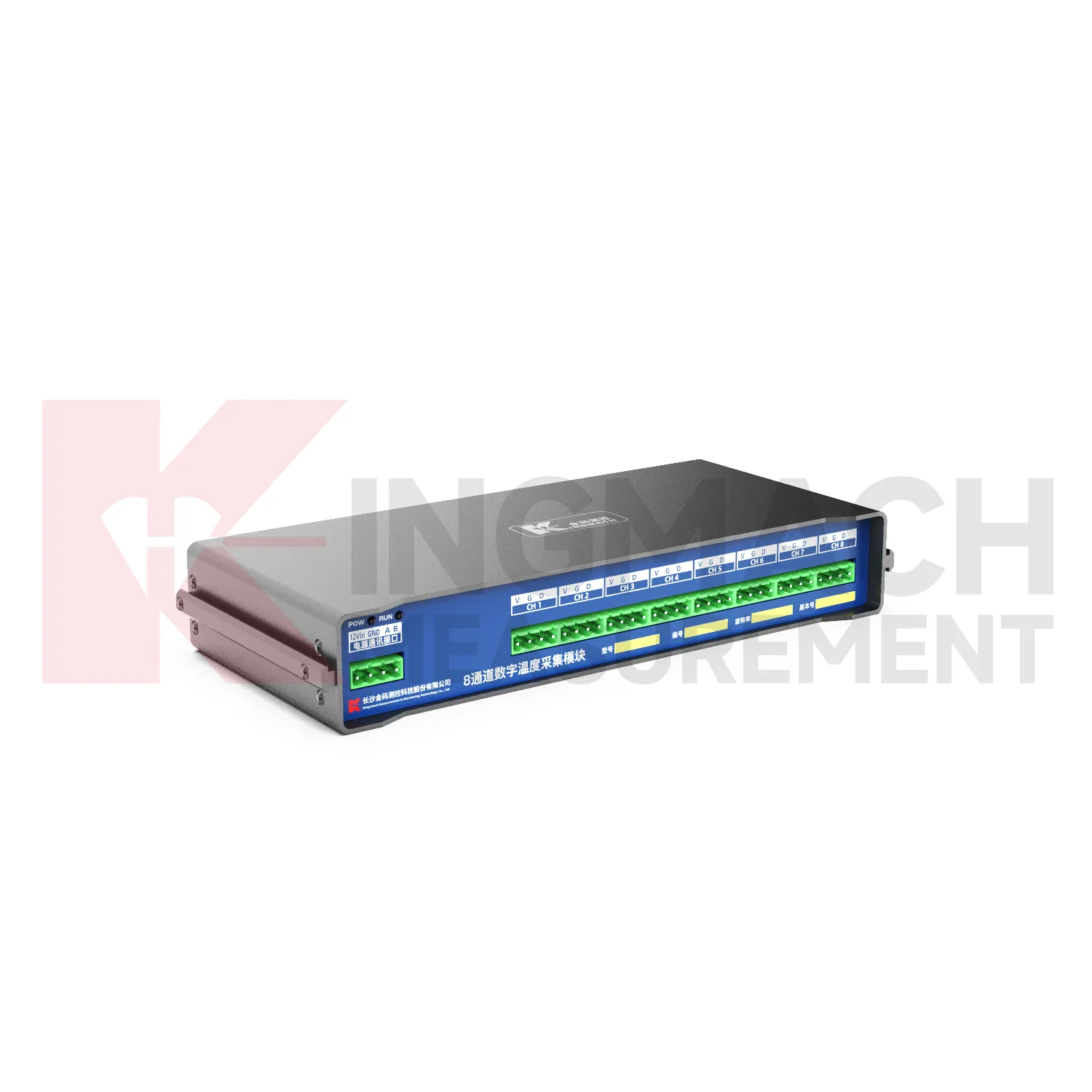
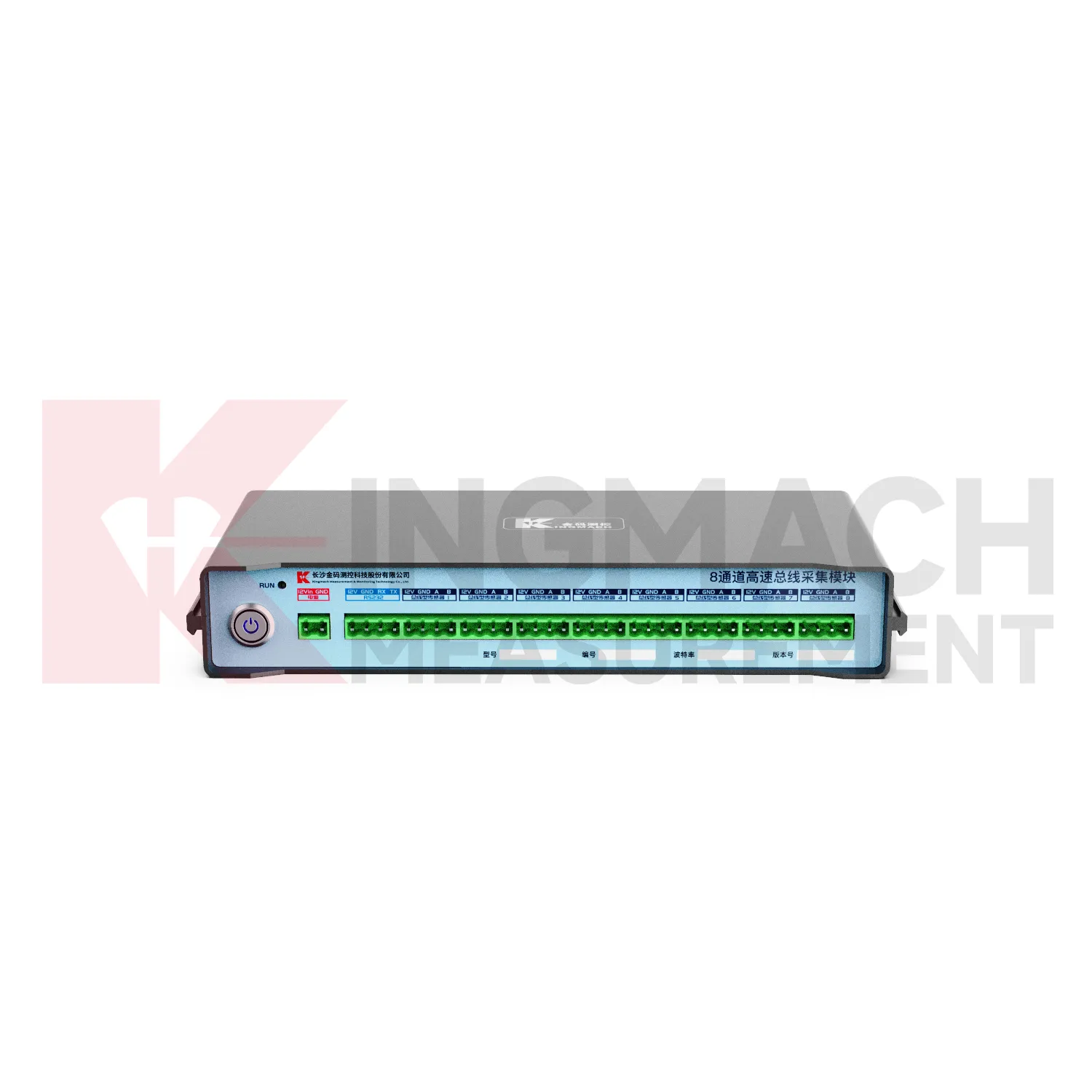
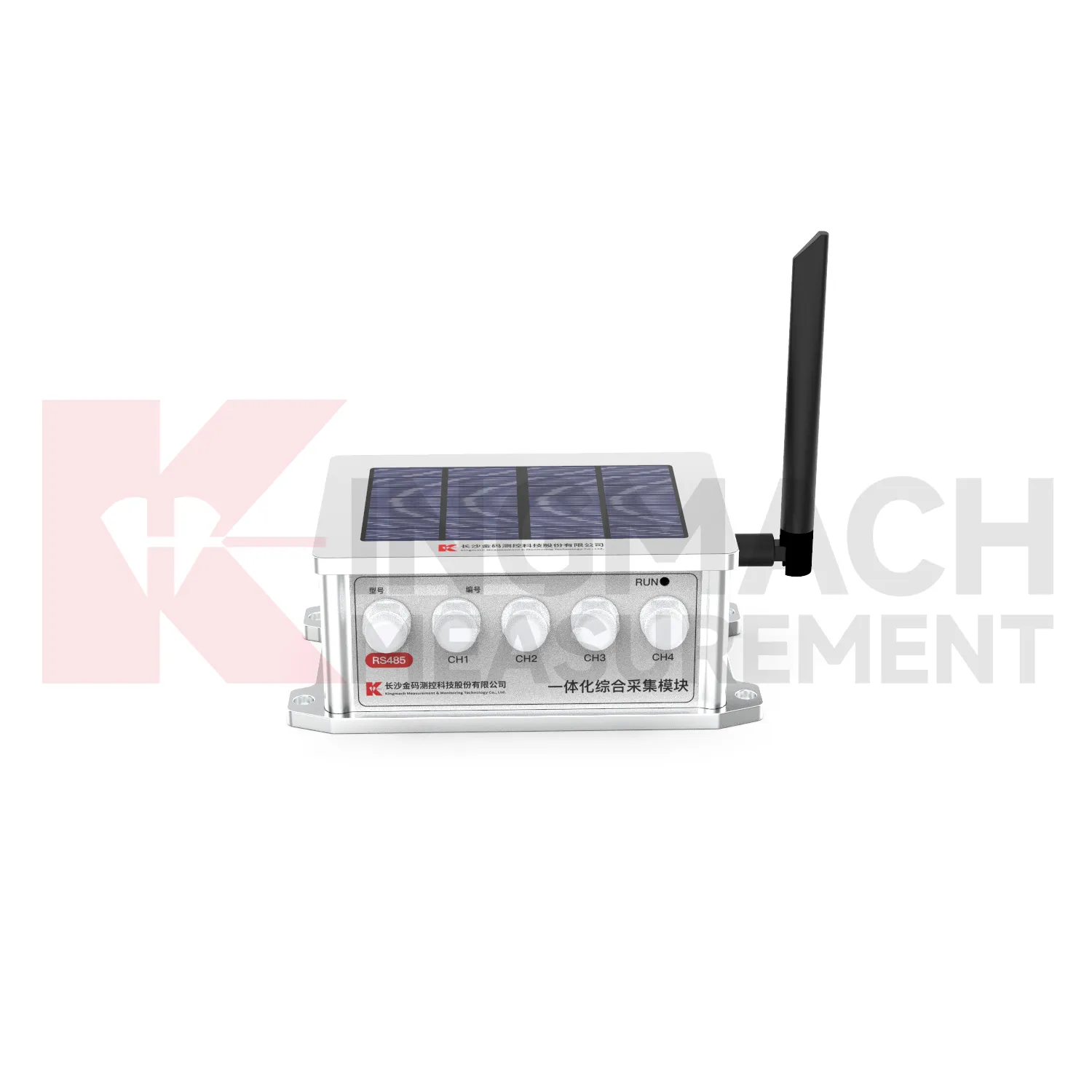
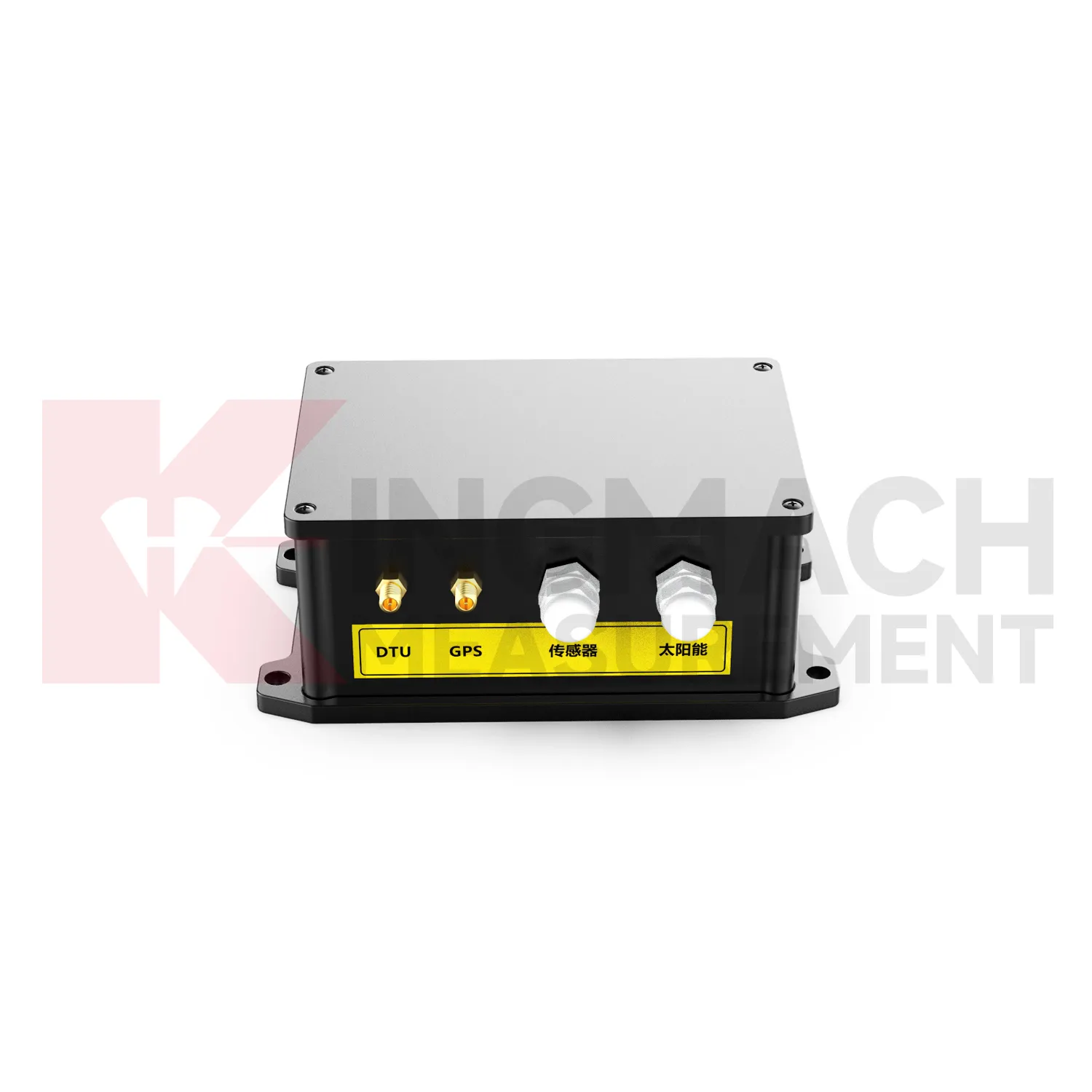
Kingmach Structural Safety Assessment provide acquisition support for projects where readings must remain traceable long after the first inspection round has ended. A single number rarely explains the condition of a structure by itself. Engineers need the measuring point, time, operating mode, instrument status, field activity, and reviewer responsibility to stay connected as one usable record. Portable units help crews confirm sensors during installation, investigate doubtful values, and take comparison readings during maintenance visits. Fixed and wireless units help the owner keep a regular history when the station is difficult to reach or when readings are needed outside normal working hours. The acquisition plan should define how channel names are created, how files are exported, who checks missing readings, who confirms alarms, and how corrected notes are preserved. This is especially important on bridges, tunnels, dams, slopes, railways, deep excavations, and industrial test areas where several teams may handle the same station over time. When the logger, readout, communication path, and reporting process are arranged as one operating chain, long-term monitoring becomes easier to audit, compare, and hand over without losing the meaning behind the measured values. During procurement, it also helps to confirm whether the instrument will be used by trained monitoring staff, general site personnel, or a remote service team, because each working pattern affects display clarity, file handling, enclosure access, communication recovery, and daily checking routines.
Application of Structural Safety Assessment
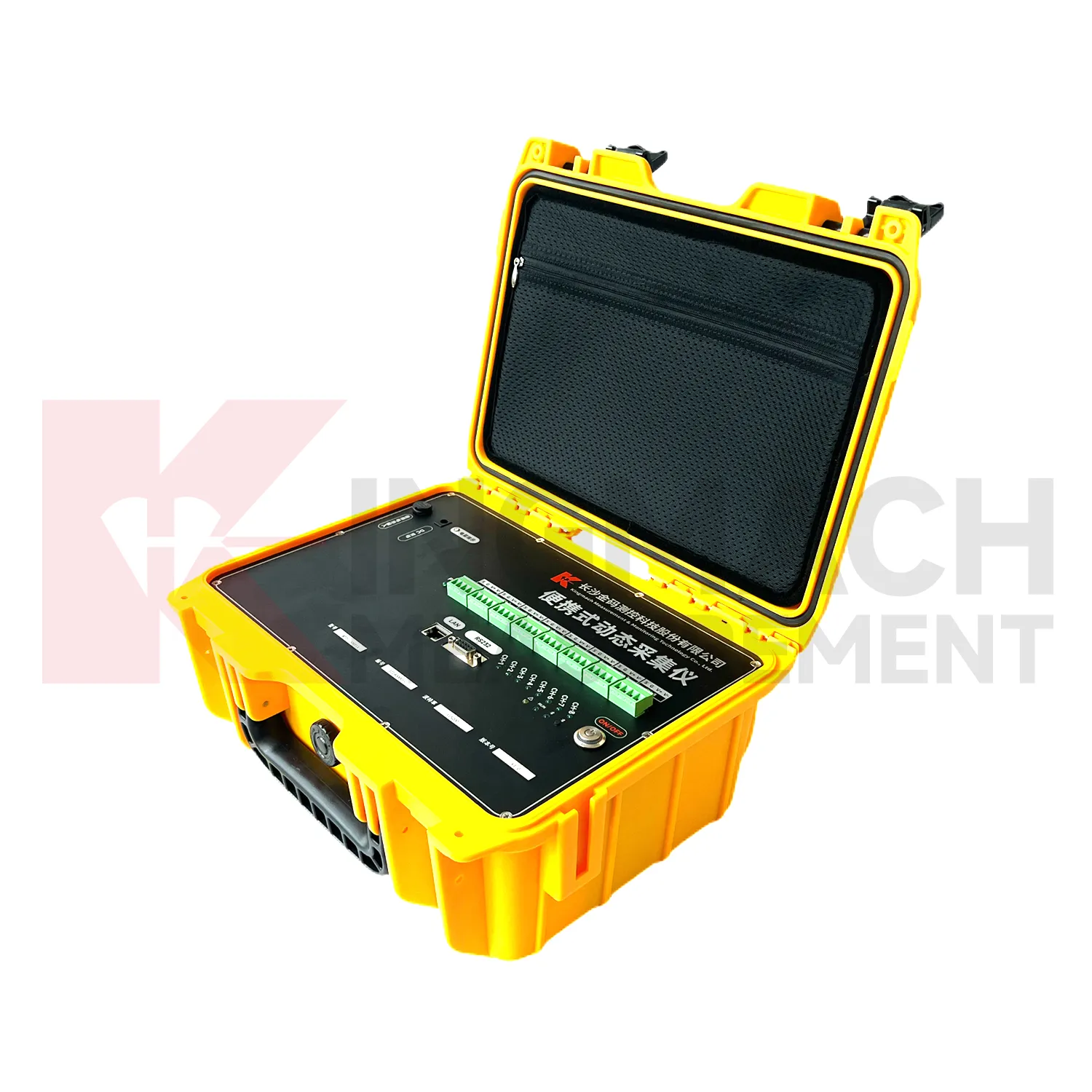
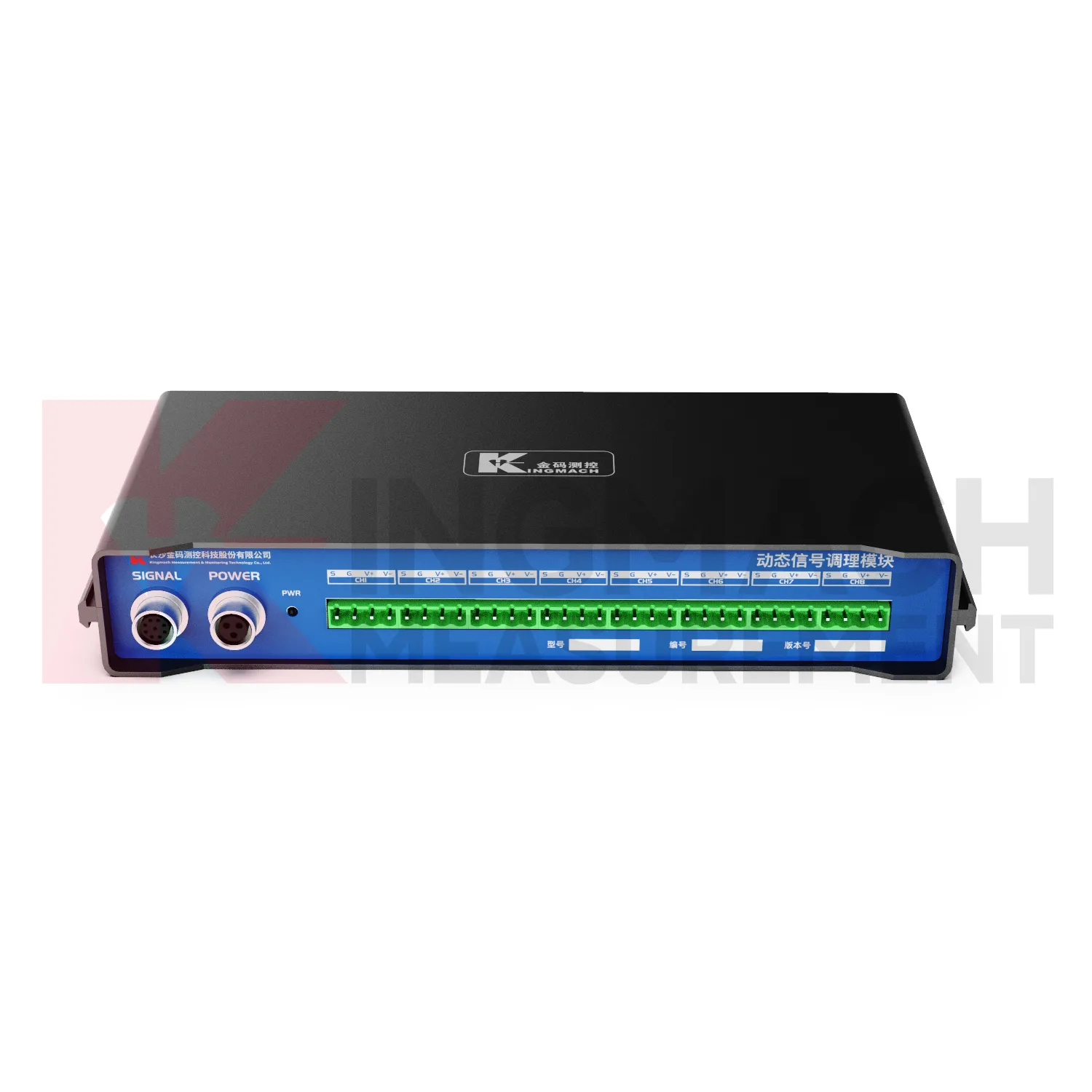
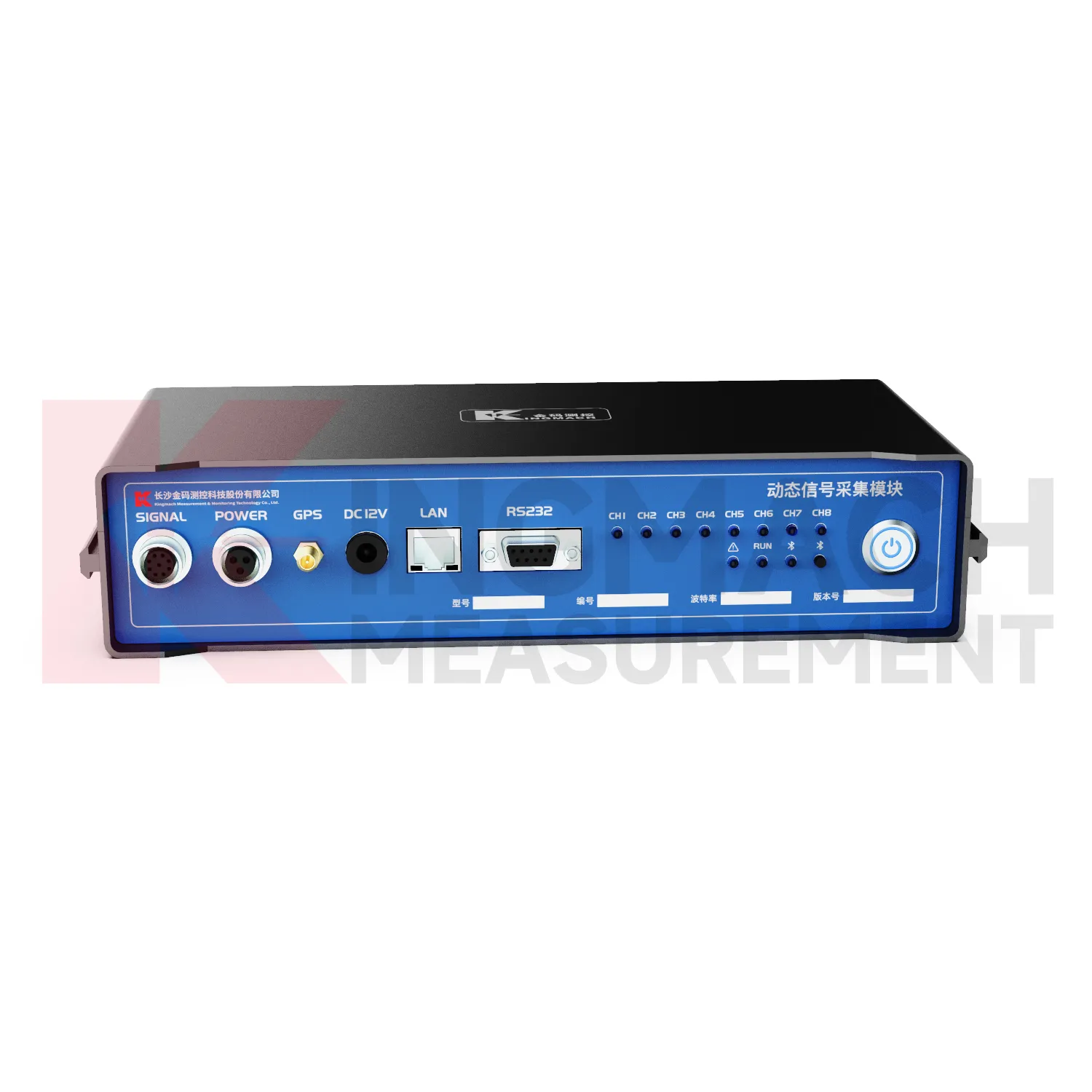
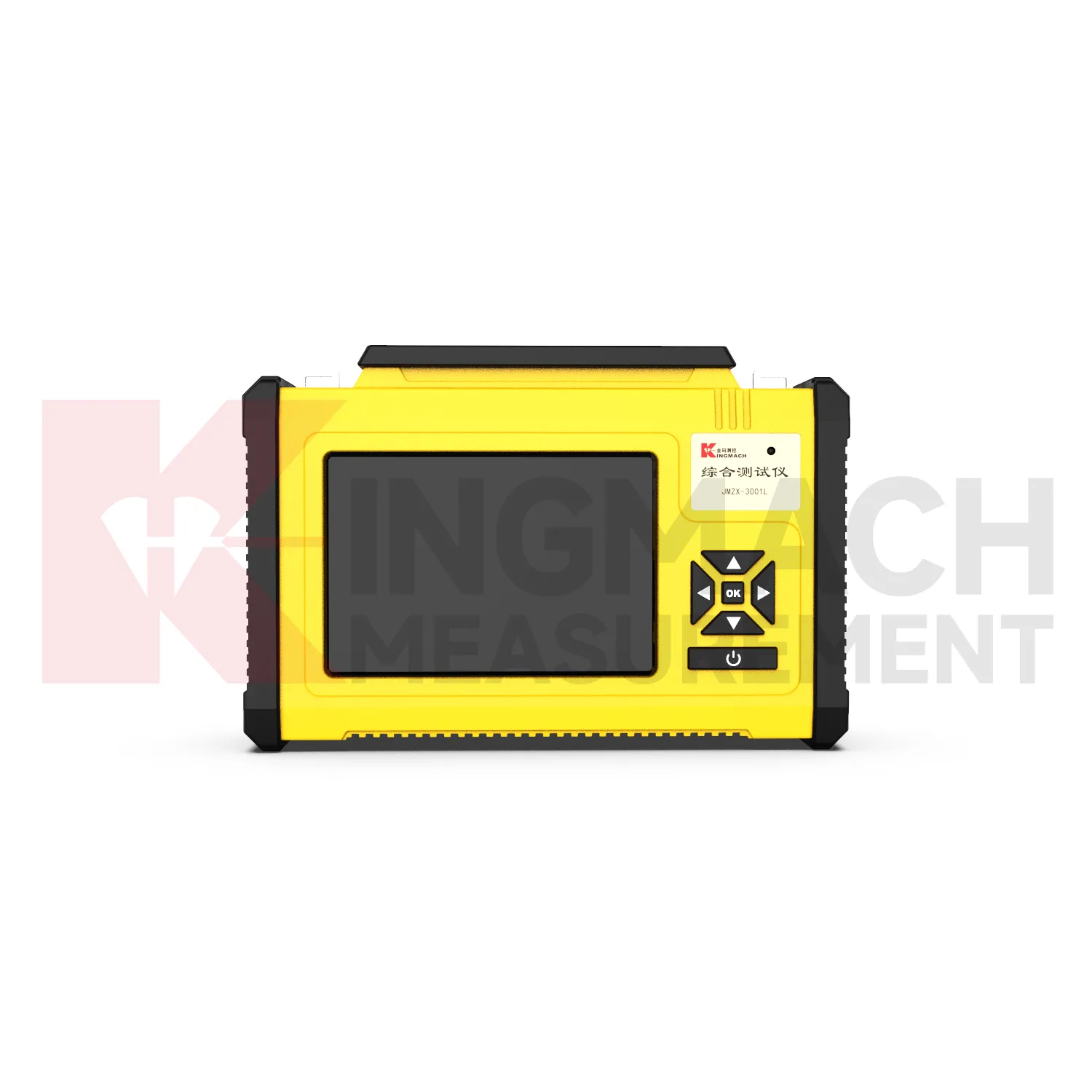
Building and wind tower monitoring uses Kingmach Structural Safety Assessment when motion, strain, tilt, temperature, and environmental records must be connected to operating conditions. A portable dynamic acquisition readout can support vibration testing, equipment influence checks, or temporary event capture. Automatic data loggers can collect long-term records for structural response, construction effect, or maintenance review. In tall structures, wind, temperature, occupancy, equipment start-up, and nearby construction can all affect measured behavior. The acquisition record should therefore include event time, sensor position, channel identity, and related site notes. This helps engineers distinguish normal response from a pattern that deserves inspection. Wind tower and building projects also need records that connect structural response with weather and operating events. A vibration trace during high wind, a tilt change after equipment installation, or a strain change during construction work should be stored with the condition that caused it. Clear station names, floor levels, tower sections, and event notes help reviewers compare repeated behavior over time. This makes the acquisition device part of structural interpretation rather than a simple storage box. It also supports maintenance review when owners need to compare tower response, building equipment effects, and temporary construction influence across different operating periods. during engineering review.
The future of Structural Safety Assessment
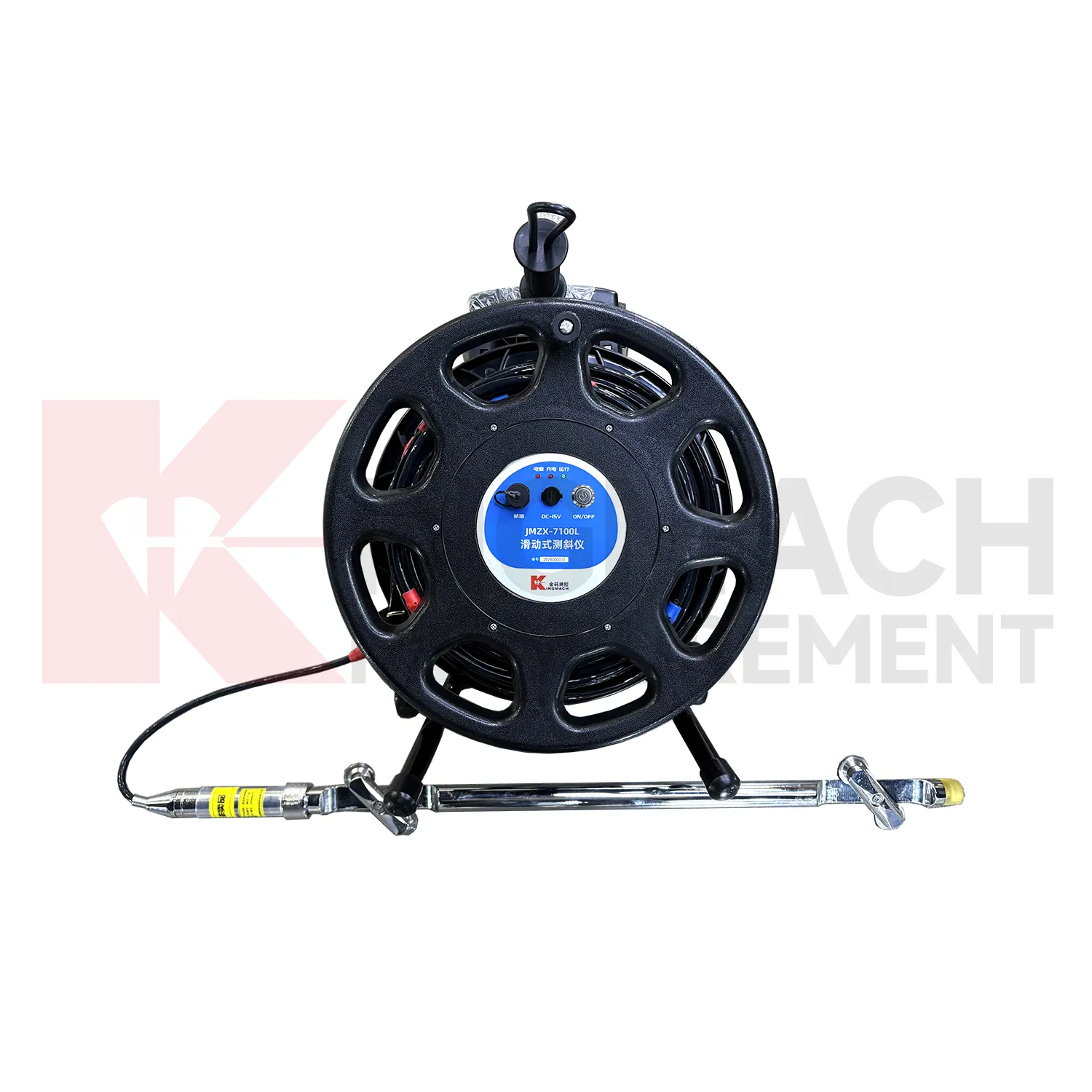
Future Kingmach Structural Safety Assessment will help owners manage mixed sensor networks. A single project may include vibrating wire sensors, digital bus instruments, temperature points, dynamic signals, environmental stations, and manual inspection notes. Future acquisition systems should make it easier to keep these records aligned by location, time, and engineering purpose. This will help reviewers understand relationships between movement, load, vibration, rainfall, temperature, and construction activity. A more organized data chain will make monitoring records easier to defend during operation, maintenance, and safety review. Mixed networks also need clearer grouping. Sensors that belong to a bridge pier, slope section, tunnel ring, or dam gallery should appear together in the acquisition history. When the system keeps related points connected, engineers can compare behavior across sensor types without losing the physical layout. That will make future reviews faster and more reliable. It also supports clearer reporting when owners review several assets in one program.
Care & Maintenance of Structural Safety Assessment
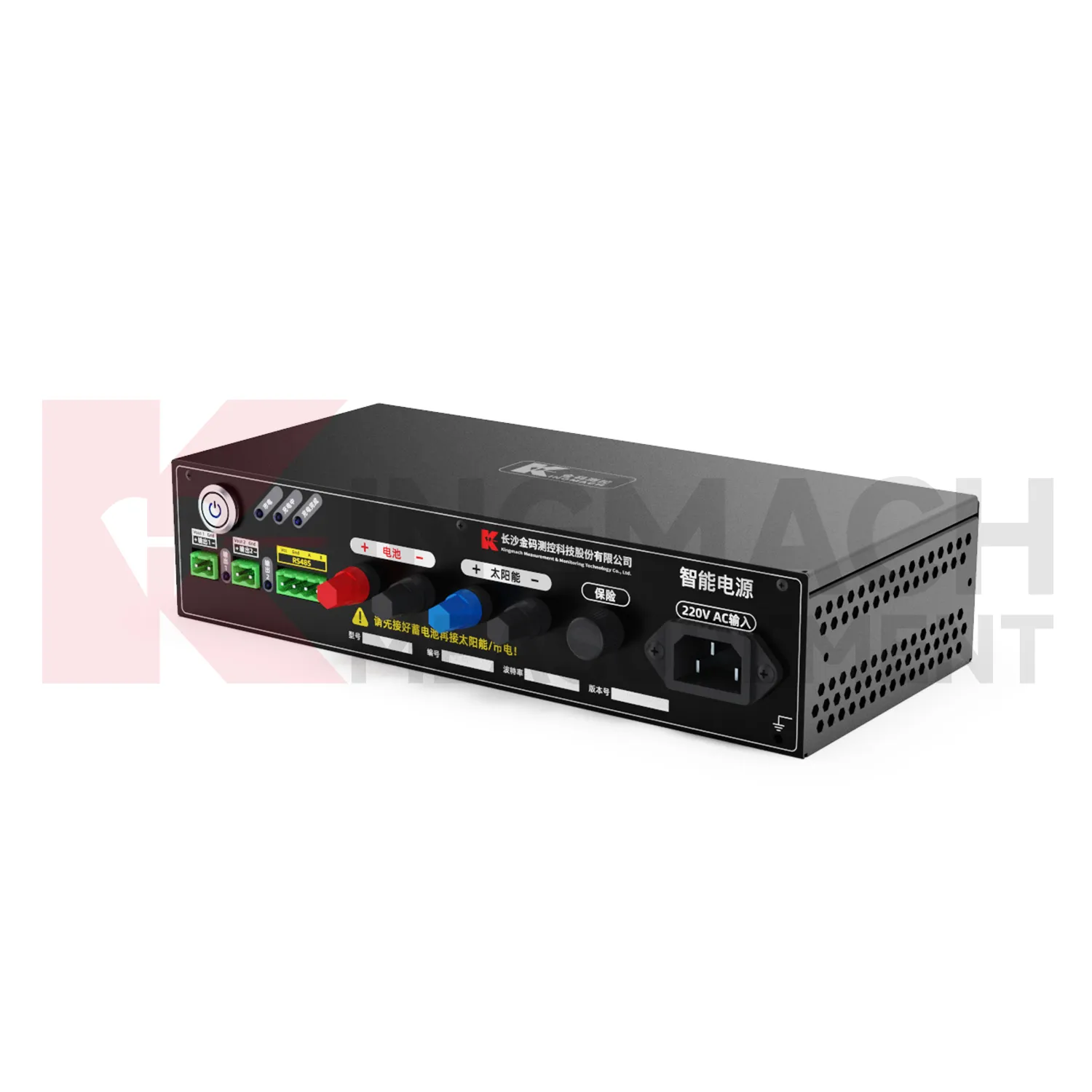
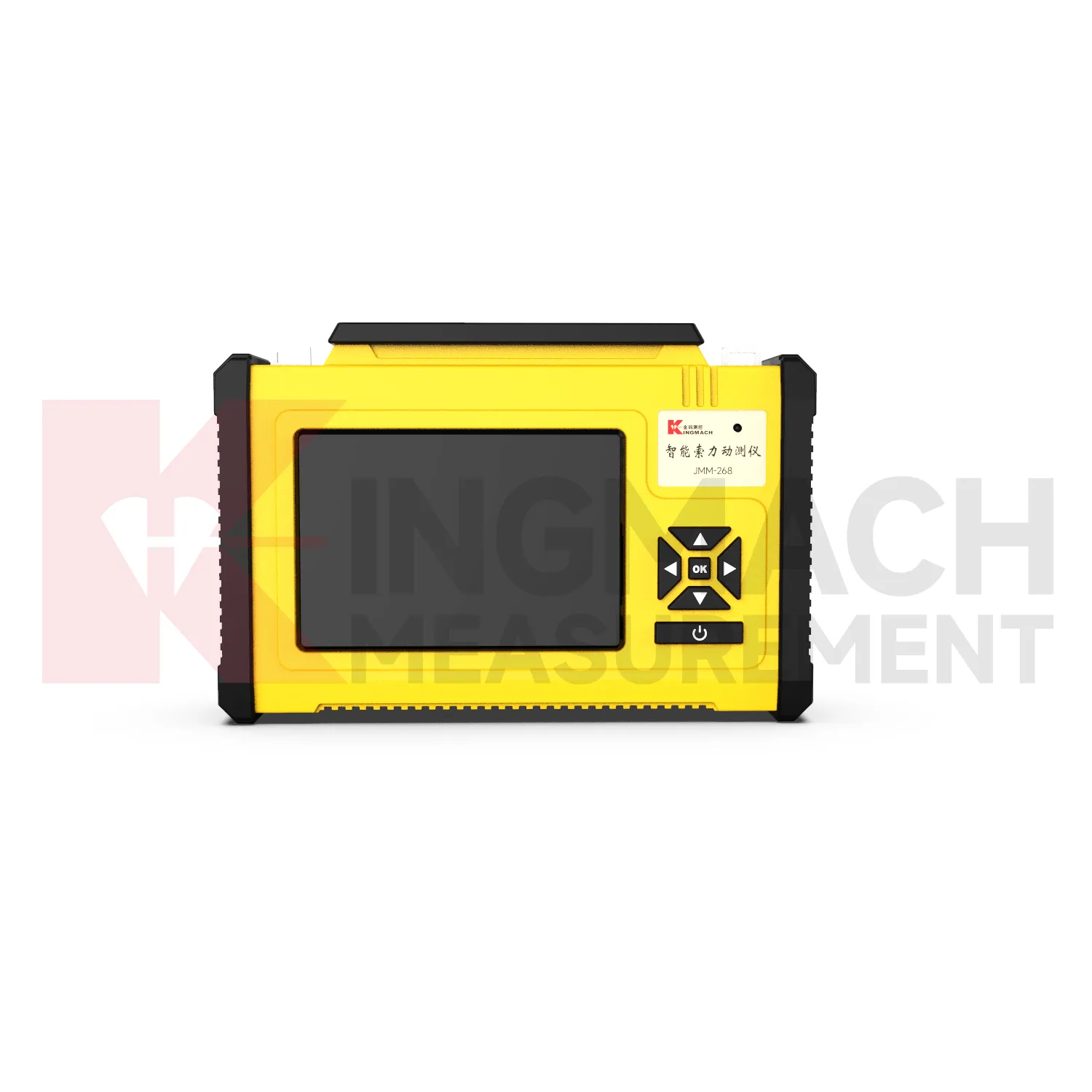
Battery and power checks are essential for Kingmach Structural Safety Assessment. Portable readouts need charged batteries before inspection rounds, while remote loggers need stable supply, low-power settings, or solar charging where applicable. A weak battery can create missing readings, interrupted uploads, or unstable acquisition during the period when data is needed most. Maintenance teams should record charge status, replacement dates, power mode, and any abnormal shutdown. For unattended stations, voltage history and last upload time should be reviewed together. This helps distinguish a site event from a power-related data gap. Power maintenance should also consider seasonal access. A slope station may be difficult to reach after rain, and a dam gallery may require planned entry. If battery replacement, solar panel cleaning, or charger inspection is delayed, the risk should be visible in the station notes. Clear power history helps engineers decide whether missing data reflects device condition or real site behavior.
Kingmach Structural Safety Assessment
Kingmach Structural Safety Assessment make sensor readings easier to verify before the data becomes part of a formal project record. A technician can use a readout to check whether a sensor responds, whether the channel name matches the physical point, and whether the value looks reasonable beside site conditions. A data logger can then continue the acquisition after the crew leaves. This handoff from manual checking to automatic collection is important for settlement sensors, strain gauges, load cells, tilt sensors, displacement points, and environmental instruments. The monitoring team gains a clearer record when every reading is tied to location, time, sensor type, and inspection notes. For dynamic tests, timing accuracy, event naming, channel synchronization, and signal conditioning help the team compare motion or strain events with construction activity, traffic, wind, or machinery operation. During handover, photos, channel maps, sensor lists, communication settings, and normal baseline examples help the next team continue review without rebuilding the monitoring history from scattered files.
FAQ
Q: When is a portable readout useful?
A: A portable readout is useful during installation, inspection rounds, sensor verification, temporary testing, and maintenance checks when immediate field values are needed.
Q: When is a wireless logger useful?
A: A wireless logger is useful at remote or difficult access sites where scheduled acquisition and active upload reduce repeated manual visits.
Q: Can one device handle every monitoring task?
A: No. Slow long-term monitoring, dynamic event capture, digital bus acquisition, and handheld verification may require different acquisition devices.
Q: Why does acquisition interval matter?
A: The interval must match site behavior. Fast events need frequent or dynamic capture, while stable long-term points may use slower scheduled readings.
Q: How should data be handed over?
A: The handover file should include sensor lists, channel maps, baseline readings, acquisition settings, communication details, and maintenance history. The record stays useful when point names, channel labels, sensor type, measurement time, and field condition are kept together, because later reviewers can connect the number with the actual structure and inspection history.
Reviews
Andrew Lee
The visualization software is intuitive and powerful. It helps us analyze monitoring data efficiently.
Robert Taylor
The weir flow meter is well-built and delivers accurate measurements. Great value for water management applications.
Latest Inquiries
To protect the privacy of our buyers, only public service email domains like Gmail, Yahoo, and MSN will be displayed. Additionally, only a limited portion of the inquiry content will be shown.
Ava***@gmail.comAustralia
Hi, I am looking for reliable tiltmeters and accelerometers for structural health monitoring. Please...
Harper***@gmail.comIndia
Dear Sir, we are planning to procure a complete monitoring system including strain gauges, tiltmeter...
Related product categories
- Survey Equipment
- Data management software
- Monitoring Software Suite
- Groundwater modeling software
- Data Acquisition Systems
- Portable Vibrating Wire Dynamic Strain Data Logger
- Vibrating Wire Strain Data Logger
- Portable Dynamic Strain Tester
- Intelligent Readout Unit
- Single/Dual Channel Cable Force Dynamic Tester
- Temperature Compensation Module
- Data Transfer Unit (DTU)