
 EN
 ar
 bg
 hr
 cs
 da
 nl
 fi
 fr
 de
 el
 hi
 it
 ko
 no
 pl
 pt
 ro
 ru
 es
 sv
 tl
 iw
 id
 lv
 lt
 sr
 sk
 sl
 uk
 vi
 et
 hu
 th
 tr
 fa
 ms
 hy
 ka
 ur
 bn
 mn
 ta
 kk
 uz
 ku

thermocouple data loggers
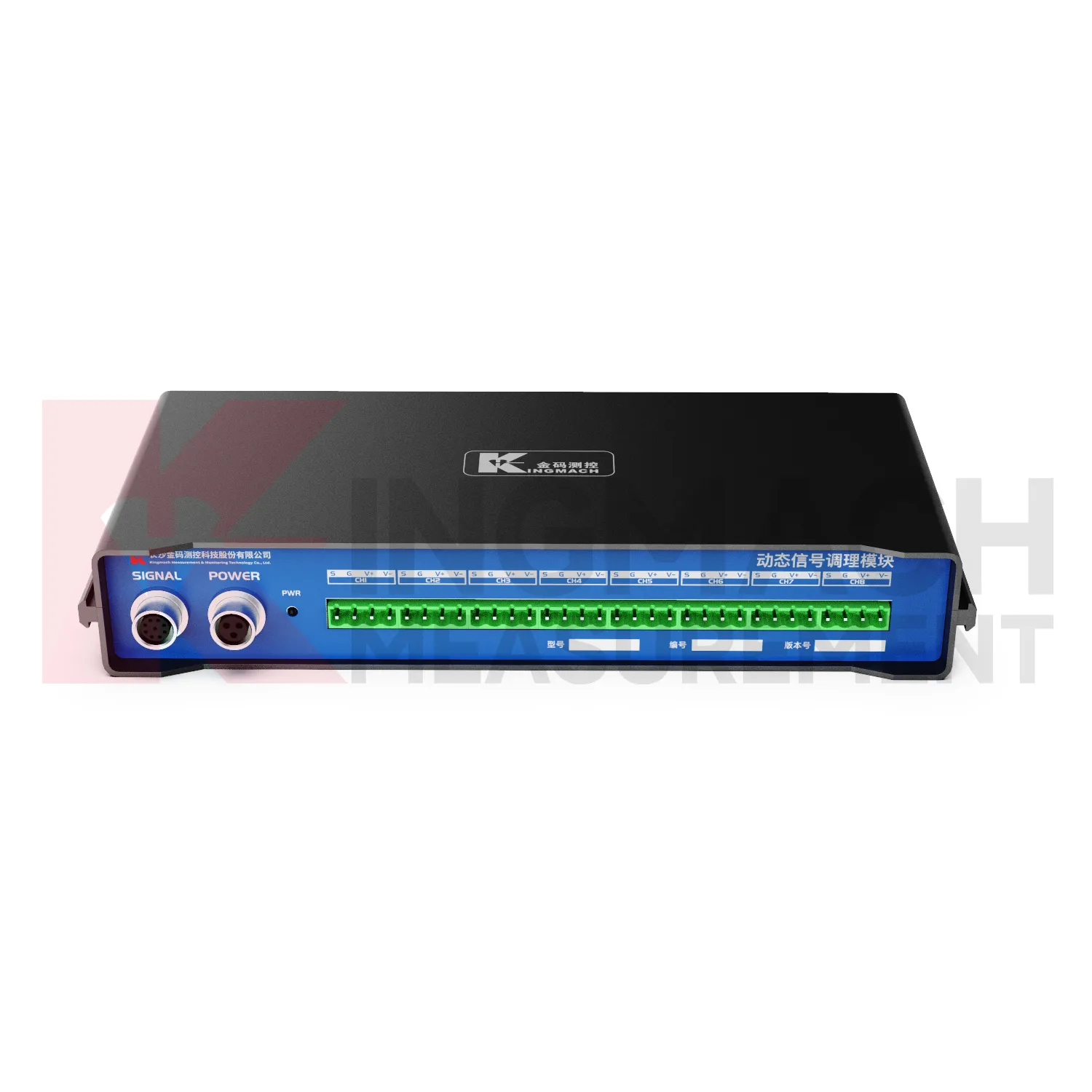
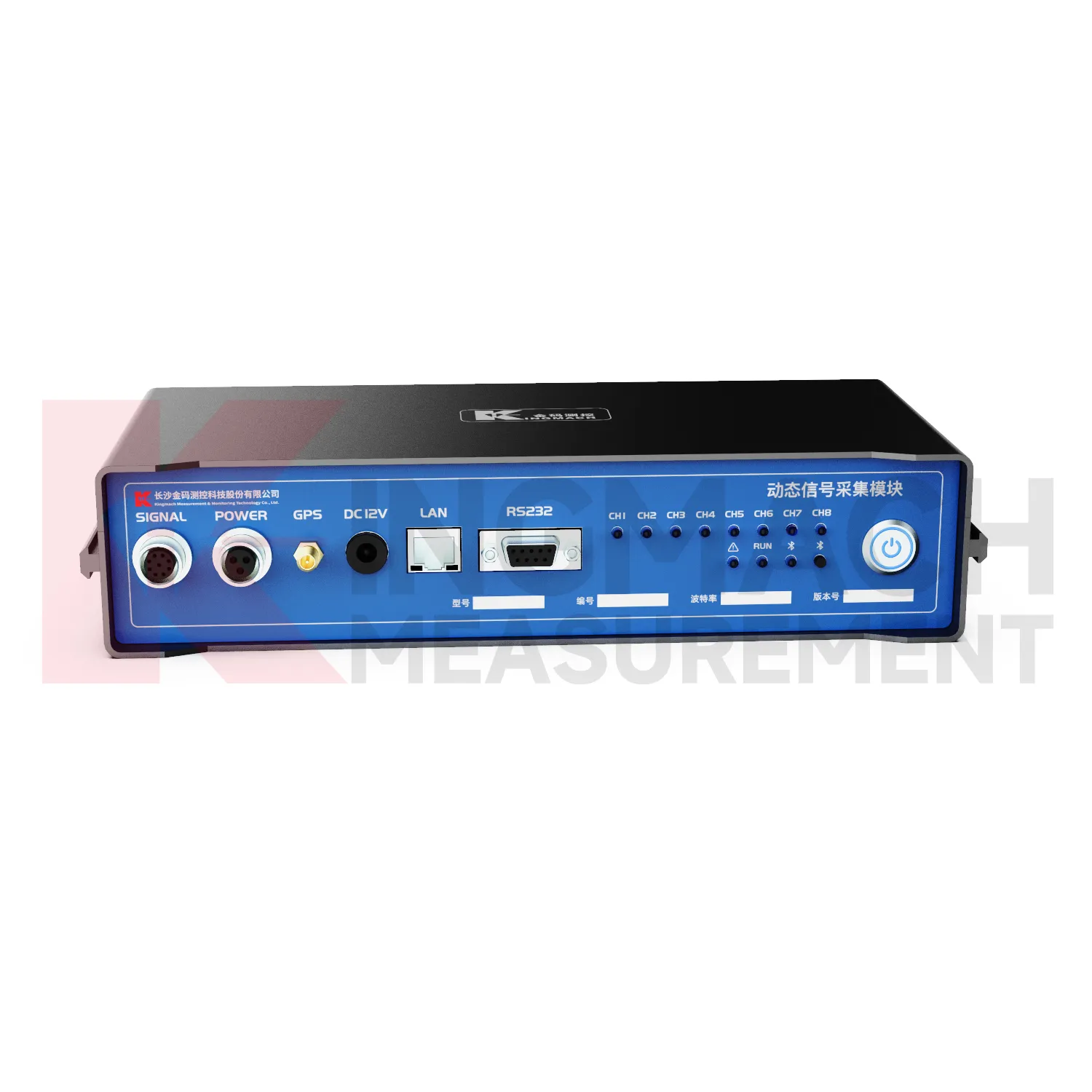
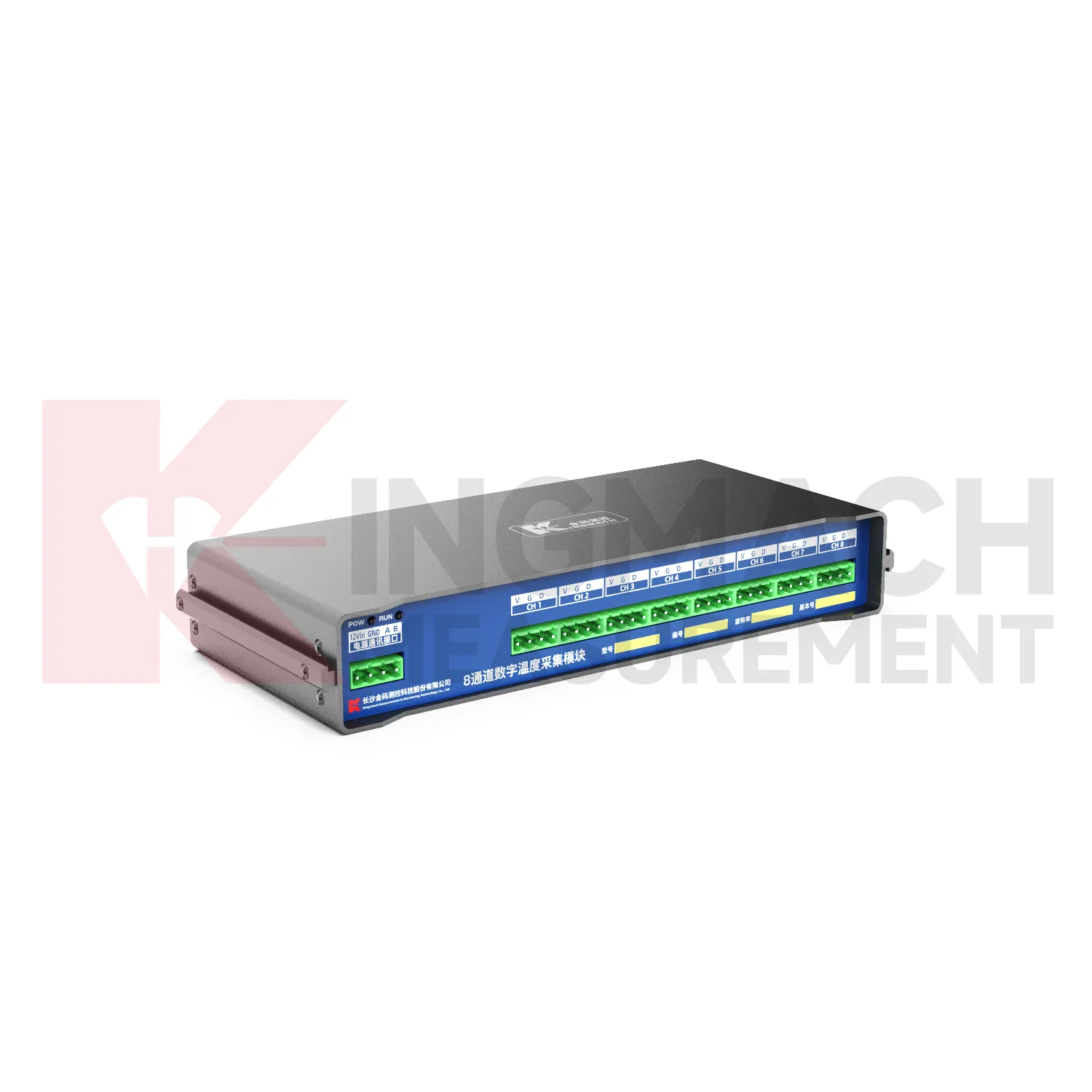
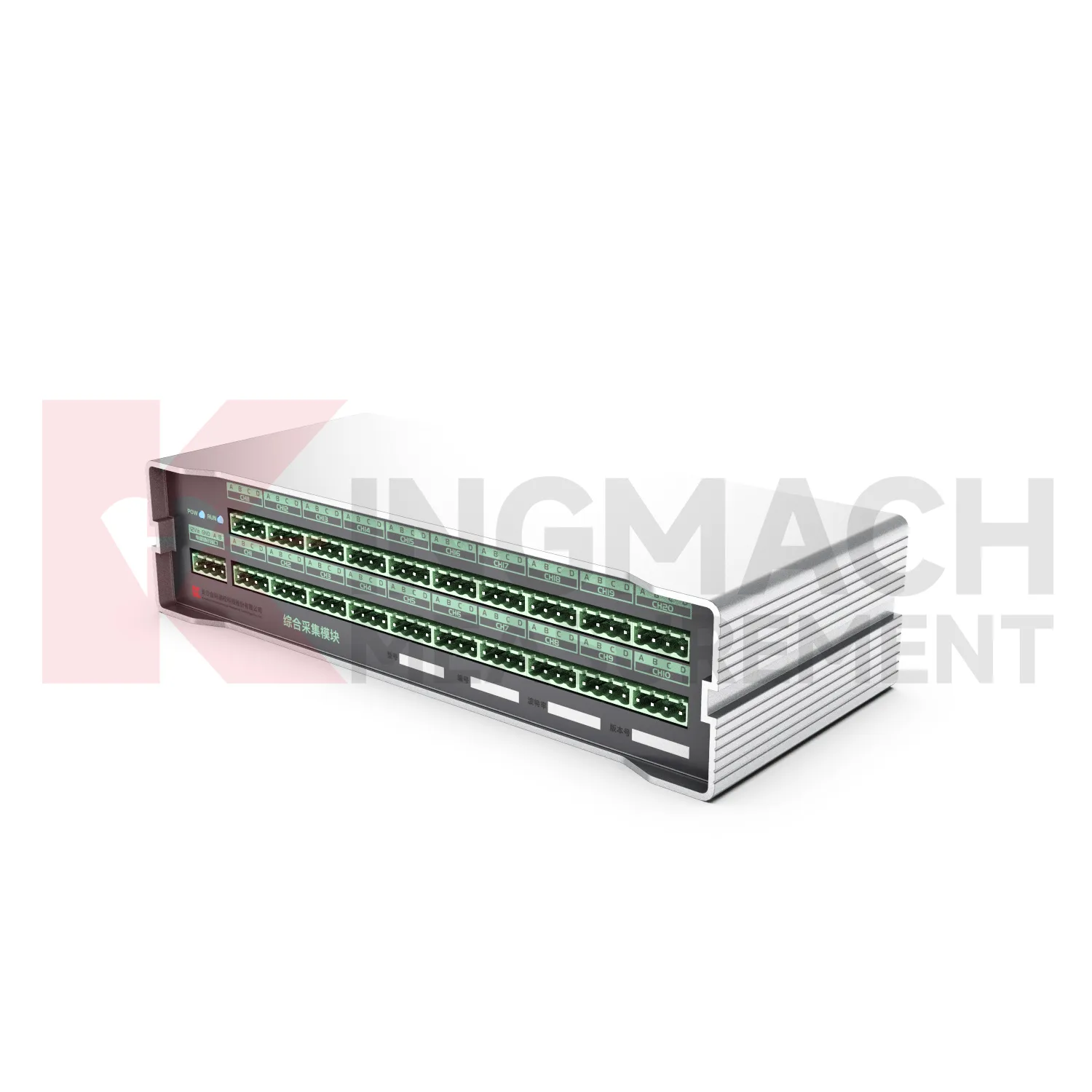
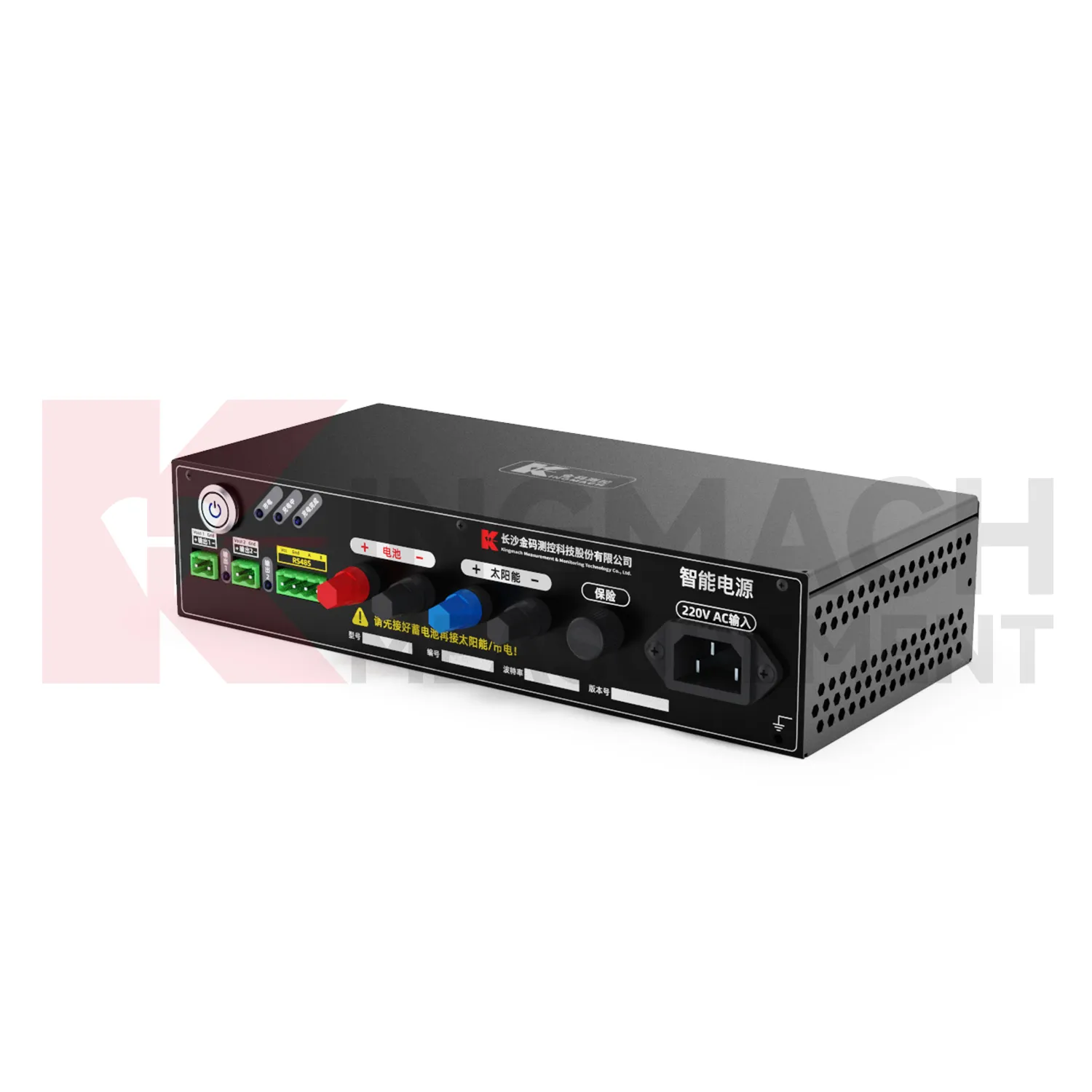
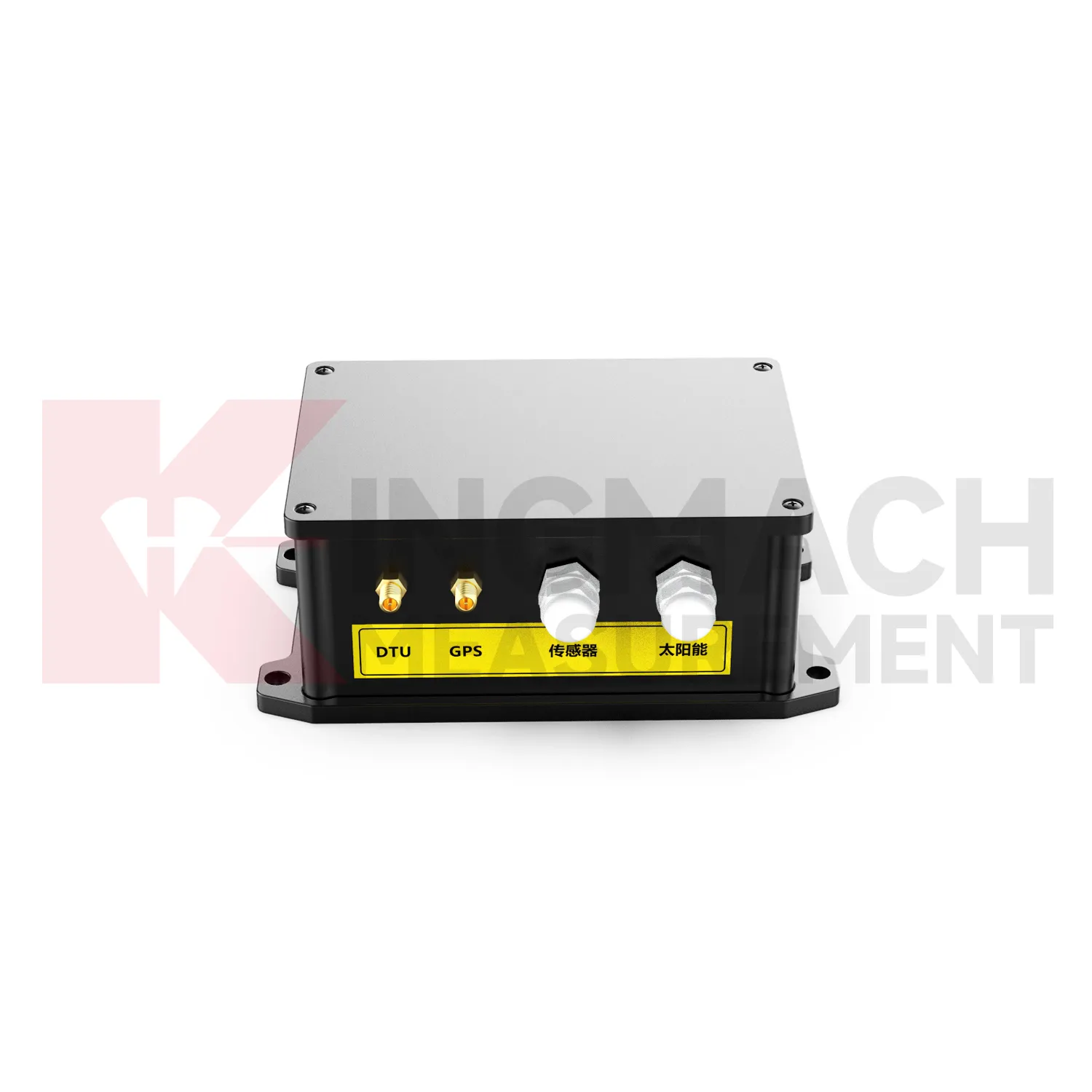
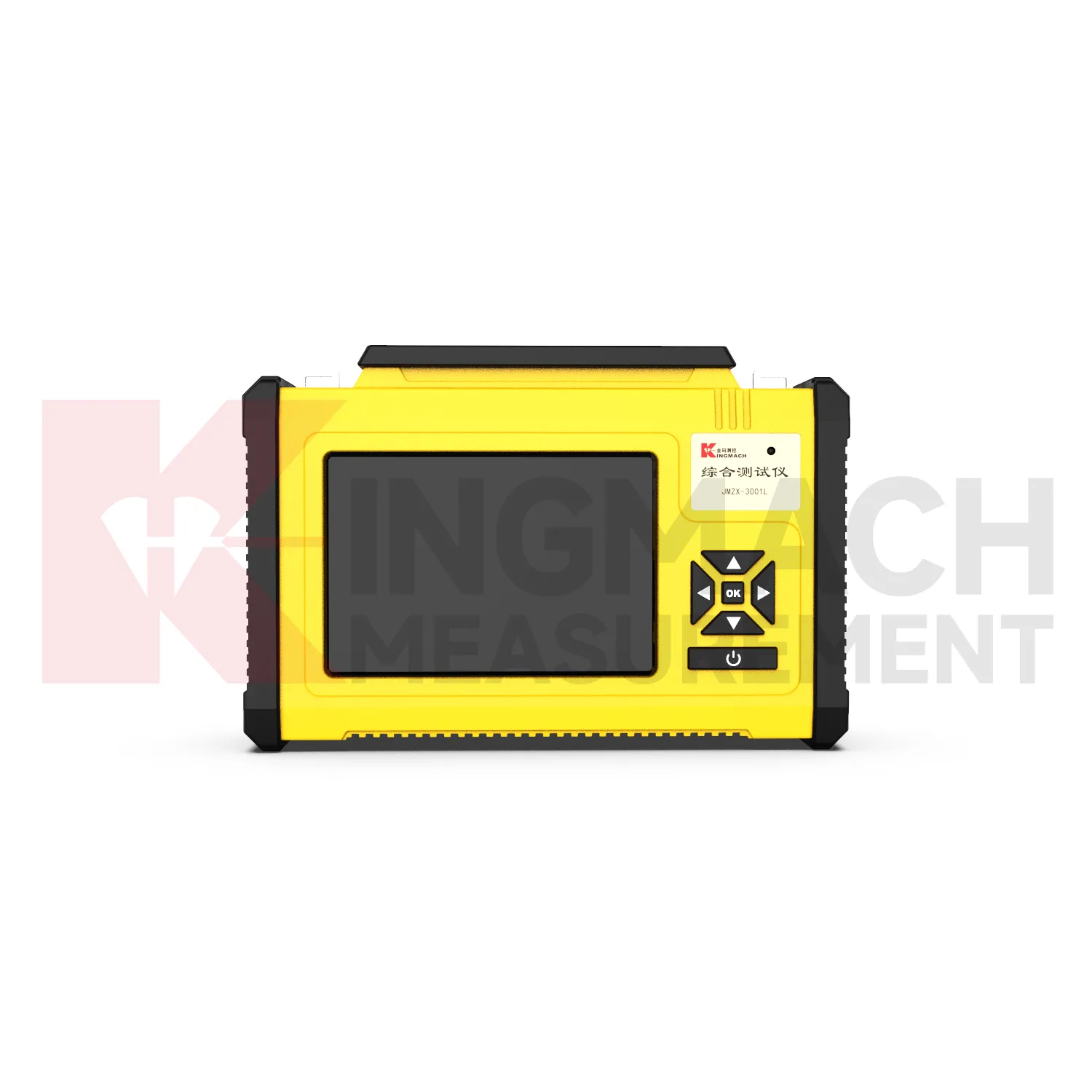
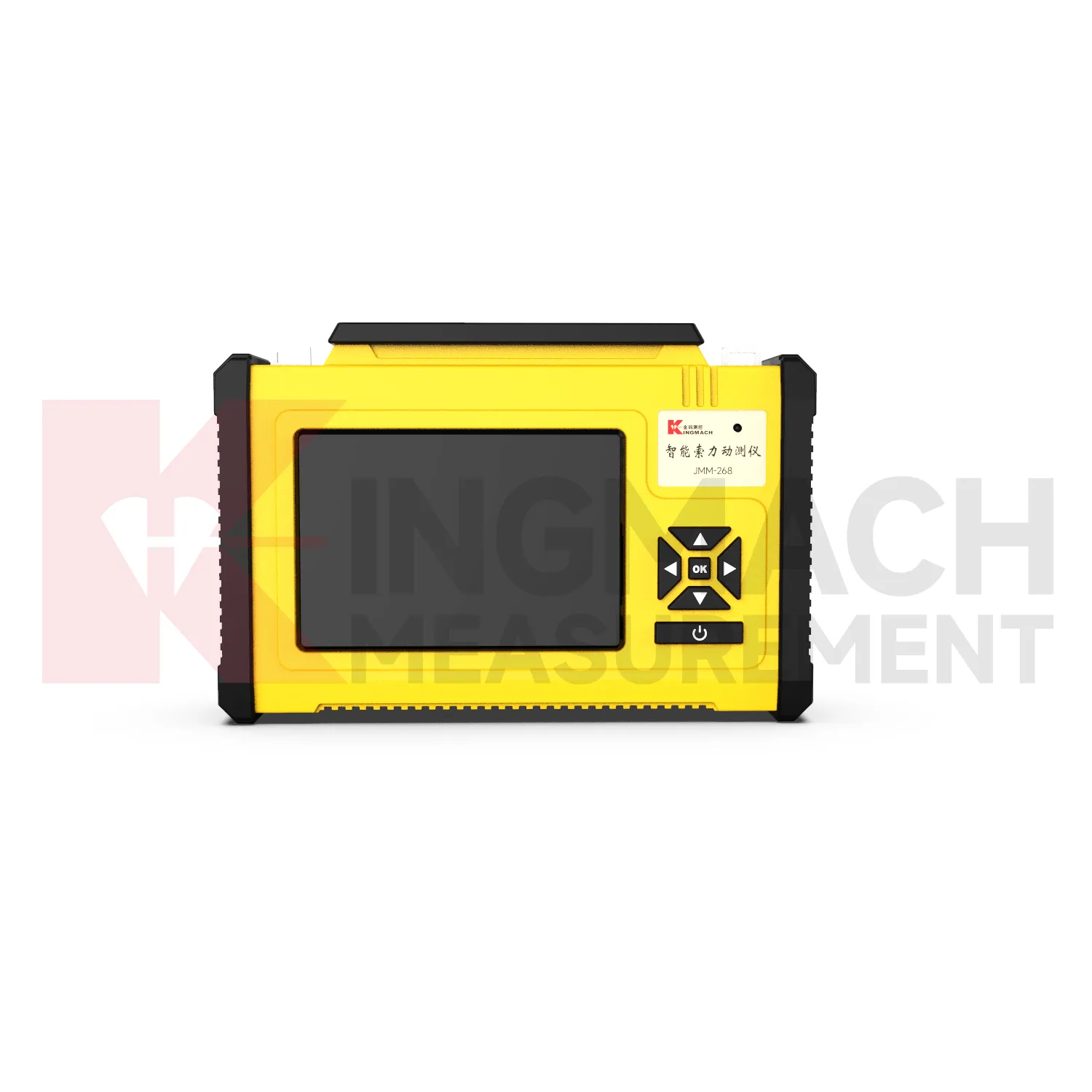
Kingmach thermocouple data loggers help project teams balance portability, automation, and data quality. Portable instruments are easy to carry and useful for spot measurement, sensor commissioning, and temporary tests. Fixed or wireless data loggers are better for routine acquisition, unattended stations, and remote monitoring. Dynamic signal acquisition equipment is needed when the event is short or the waveform must be reviewed. The buyer should not select the device only by channel count. The better question is how the data will be collected, checked, transmitted, stored, and used by the engineer or owner. That workflow determines whether the acquisition record remains useful after installation. Portability helps field crews move quickly, but automation protects continuity when nobody is on site. High-speed capture helps short events, while scheduled logging supports slow movement and environmental change. Matching these roles prevents overbuilding a simple inspection route or under-equipping a safety station that requires continuous review. The result is a more disciplined purchase and a cleaner field workflow. Teams can select a handheld readout for verification, a wireless logger for remote duty, or dynamic acquisition for event behavior without mixing their roles. This keeps the acquisition plan aligned with field access, risk level, and reporting requirements. over time.
Application of thermocouple data loggers
Building and wind tower monitoring uses Kingmach thermocouple data loggers when motion, strain, tilt, temperature, and environmental records must be connected to operating conditions. A portable dynamic acquisition readout can support vibration testing, equipment influence checks, or temporary event capture. Automatic data loggers can collect long-term records for structural response, construction effect, or maintenance review. In tall structures, wind, temperature, occupancy, equipment start-up, and nearby construction can all affect measured behavior. The acquisition record should therefore include event time, sensor position, channel identity, and related site notes. This helps engineers distinguish normal response from a pattern that deserves inspection. Wind tower and building projects also need records that connect structural response with weather and operating events. A vibration trace during high wind, a tilt change after equipment installation, or a strain change during construction work should be stored with the condition that caused it. Clear station names, floor levels, tower sections, and event notes help reviewers compare repeated behavior over time. This makes the acquisition device part of structural interpretation rather than a simple storage box. It also supports maintenance review when owners need to compare tower response, building equipment effects, and temporary construction influence across different operating periods. during engineering review.
The future of thermocouple data loggers
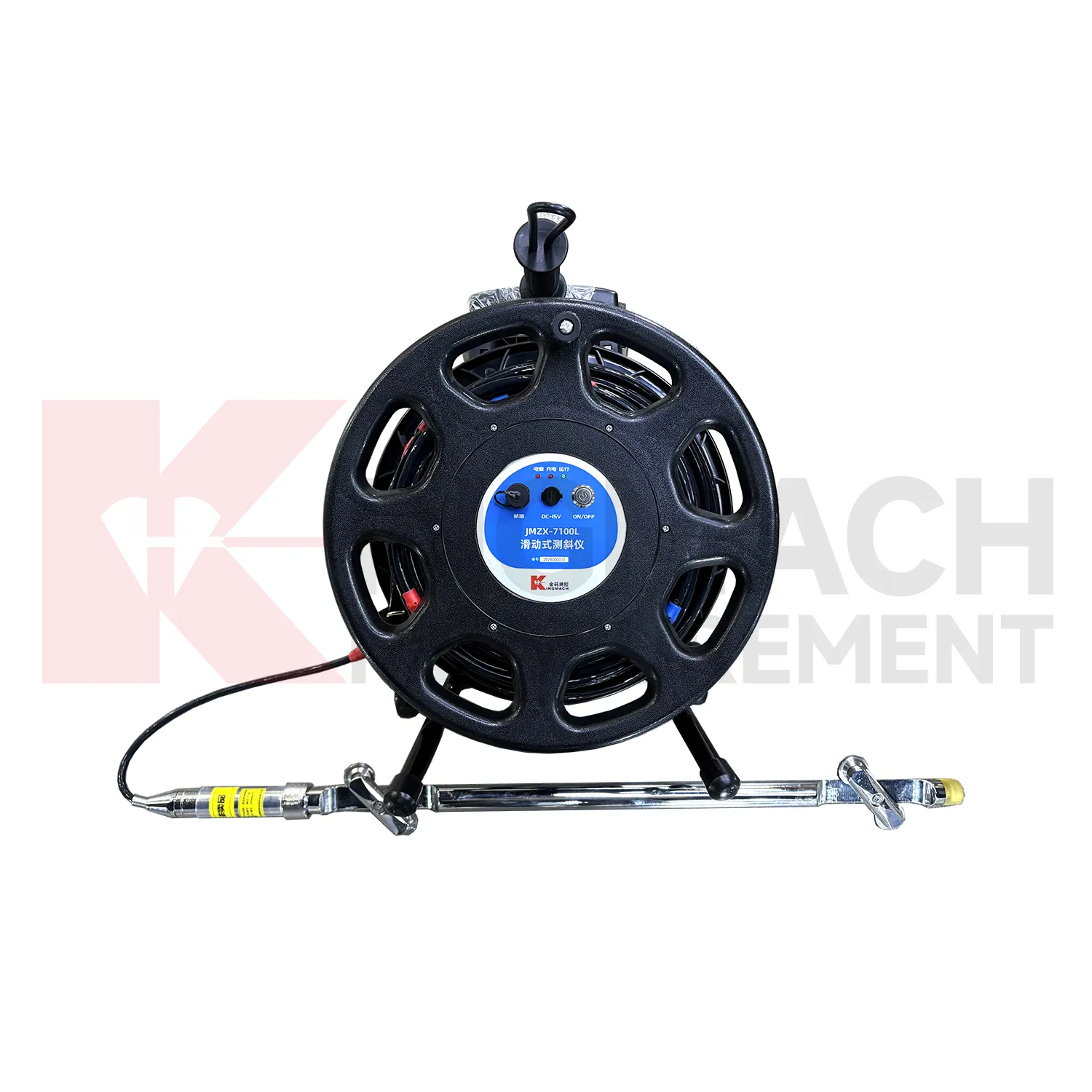
Future Kingmach thermocouple data loggers will make remote monitoring more practical for unattended structural and geotechnical stations. Low-power acquisition, scheduled measurement, wireless upload, and remote maintenance can reduce repeated site visits. The value is not only convenience; it is continuity during weather events, night work, and restricted access periods. A remote station should show whether it is collecting, uploading, storing, and operating within expected power conditions. When this information is available, engineers can trust the data stream more confidently and plan field visits around actual station needs. Future remote stations can also make maintenance routes more efficient. If a slope logger reports weak battery but stable sensor values, the crew can prepare power service. If a bridge station uploads late after rain, the team can check enclosure and signal condition first. This kind of device context helps field work become more targeted. while protecting data continuity. across remote sites. over time. safely.
Care & Maintenance of thermocouple data loggers
Portable readout maintenance for Kingmach thermocouple data loggers should focus on field readiness. Before an inspection route, check battery charge, display condition, connectors, storage space, sensor cables, and export method. Field crews should also confirm that the device time is correct because time stamps are part of the monitoring record. After the route, export and back up readings before the next job overwrites or confuses the file. A readout that is ready before the visit saves time on site and reduces the chance of returning for missed measurements. Field readiness also includes route planning. The operator should know which sensors need verification, which cable adapters are required, and where previous values are stored for comparison. After the visit, any unusual reading should be linked with a point name and site condition. This keeps portable measurements useful after the crew has moved to the next structure. and supports later reporting. for owners. consistently.
Kingmach thermocouple data loggers
A strong monitoring system needs Kingmach thermocouple data loggers that fit the sensor network and the site conditions. Some projects need a compact handheld unit for spot checks and commissioning. Others need a multi-channel data logger for vibrating wire sensors, dynamic strain, environmental points, or digital RS485 instruments. Remote sites may need low-power wireless acquisition with scheduled measurement and active upload. The important question is how the device helps the team keep a continuous, explainable record. Battery condition, enclosure protection, communication path, channel labels, and data export all influence whether the monitoring record can support maintenance, safety review, or construction control. For remote stations, the acquisition interval, upload status, battery condition, enclosure condition, and last maintenance visit should remain visible so unattended monitoring does not become a blind record. For dynamic tests, timing accuracy, event naming, channel synchronization, and signal conditioning help the team compare motion or strain events with construction activity, traffic, wind, or machinery operation.
FAQ
Q: Where are these devices used?
A: They are used in bridges, tunnels, dams, slopes, buildings, foundation pits, railways, mines, industrial testing, and other monitoring projects.
Q: Why combine readouts with loggers?
A: Readouts confirm field points during visits, while loggers keep collecting data between visits. Together they support both verification and continuity.
Q: What should a remote station show?
A: A remote station should show acquisition status, last upload time, power condition, active channels, storage condition, and recent maintenance history.
Q: How do these devices support reports?
A: They keep readings traceable by time, channel, sensor type, location, and device status so engineers can explain trends and events more clearly.
Q: What causes confusing readings?
A: Loose cables, wrong channel names, weak power, wet enclosures, changed settings, sensor faults, or real site changes can all create confusing records. The record stays useful when point names, channel labels, sensor type, measurement time, and field condition are kept together, because later reviewers can connect the number with the actual structure and inspection history.
Reviews
Andrew Lee
The visualization software is intuitive and powerful. It helps us analyze monitoring data efficiently.
James Thompson
The tiltmeters and accelerometers are very sensitive and provide precise data. Perfect for our structural health monitoring system.
Latest Inquiries
To protect the privacy of our buyers, only public service email domains like Gmail, Yahoo, and MSN will be displayed. Additionally, only a limited portion of the inquiry content will be shown.
Amelia***@gmail.comSingapore
Hello, I am looking for visualization software for monitoring system data analysis. Please let me kn...
Ava***@gmail.comAustralia
Hi, I am looking for reliable tiltmeters and accelerometers for structural health monitoring. Please...
Related product categories
- Comprehensive Acquisition Module
- high-speed bus acquisition module
- 8-channel high-speed bus acquisition module
- Dynamic Strain Data logger
- Smart Power Supply Module
- Automated Acquisition Enclosure
- DTU
- wireless data logger
- wireless temperature data logger
- temperature data logger wireless
- temp data logger wireless
- wireless temperature and humidity data logger