
 EN
 ar
 bg
 hr
 cs
 da
 nl
 fi
 fr
 de
 el
 hi
 it
 ko
 no
 pl
 pt
 ro
 ru
 es
 sv
 tl
 iw
 id
 lv
 lt
 sr
 sk
 sl
 uk
 vi
 et
 hu
 th
 tr
 fa
 ms
 hy
 ka
 ur
 bn
 mn
 ta
 kk
 uz
 ku

weir flow meter Solution
Data interpretation for Kingmach weir flow meter Solution keeps the hydraulic setting visible. Flow records can change because water changed, but they can also change because the measuring section changed. A blocked screen, a damaged crest, algae, sediment, trapped debris, local turbulence, or a shifted reference point can all affect the reading. Good interpretation starts by asking whether the site condition still matches the original installation assumptions. Then the reviewer can compare the flow curve with weather, operations, inspection notes, and related water level records. This habit prevents overreaction to a measurement disturbance and helps identify real changes in discharge. Product information can present flow monitoring as an engineering review process, not only as automatic number collection. If the channel is modified, the record should not hide the change. A repair, new crest, cleaned approach, moved enclosure, or changed data channel can affect comparability and should be visible beside the next flow trend. The field record should explain the water path, the condition before the reading changed, the inspection access, and whether nearby operations or weather events affected the channel. This keeps the flow curve connected to real site behavior rather than leaving it as an isolated number. A practical review also checks whether the measuring section remained clean and hydraulically stable. Sediment, debris, vegetation, downstream backwater, or a disturbed approach can change the meaning of the same water-head reading, so those conditions belong in the project notes.
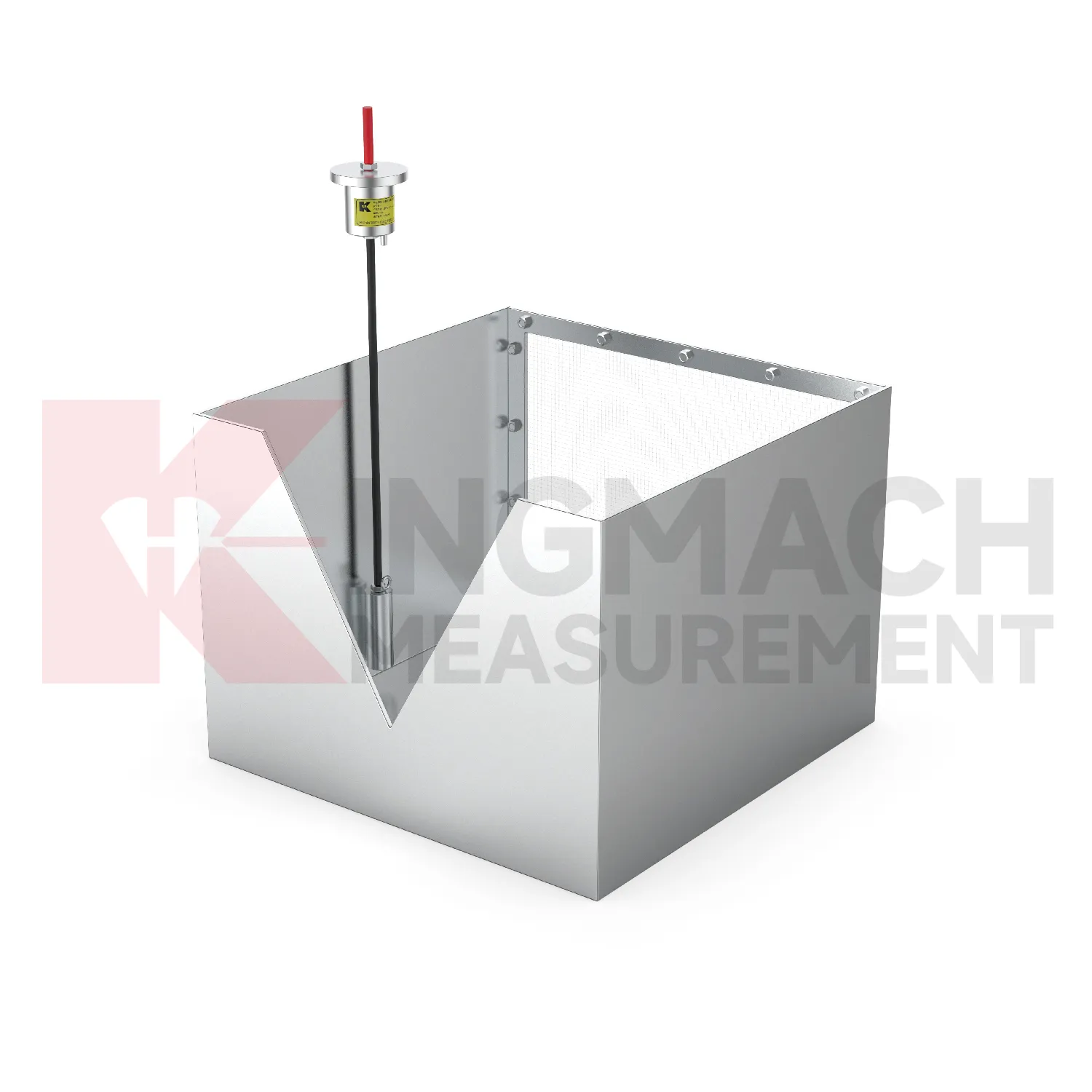
Application of weir flow meter Solution
Water conservancy projects use Kingmach weir flow meter Solution to observe controlled flow through small structures, channels, test sections, and auxiliary discharge points. The measurement is useful when operators need a continuous record rather than occasional visual checks. A weir point can show how flow changes after rainfall, gate operation, upstream storage variation, or maintenance work. The application should be planned around the water path: approach condition, weir crest, water head reference, downstream influence, and cleaning access. Data should be reviewed with reservoir level, rainfall, gate records, seepage notes, and field inspection. If the flow curve changes suddenly, the team should check both the water condition and the measuring section. This approach helps water conservancy teams use flow monitoring as part of operation, maintenance, and safety review rather than a separate instrument reading. In these projects, the flow point may support canal regulation, spillway observation, auxiliary drainage, or small test structures. The record is strongest when it is linked to the purpose of the channel. Operators can compare the trend with gate timing, upstream water level, and inspection notes, then decide whether the change reflects normal operation, a blockage, or a field condition that needs direct confirmation. This keeps operational review connected to hydraulic reality.
The future of weir flow meter Solution
Future Kingmach weir flow meter Solution will make maintenance analytics more useful. A flow curve can reveal more than water volume; it can suggest sediment build-up, vegetation growth, debris, downstream backwater, or changed upstream operation. Future platforms can flag slow drift, sudden jumps, flatlines, and disagreements with rainfall or water level records. These checks will not replace field inspection, but they can tell maintenance teams where to look first. A channel that slowly loses capacity should be cleaned before it creates an operating problem. A point that reports impossible behavior should be verified before the data is used in a report. The next step is to connect alarms with practical field tasks. Instead of only saying that a value changed, the system can help operators decide whether to inspect the crest, check the outlet, review recent pumping, or compare the reading with a nearby level point. That kind of guidance saves time in remote channels and keeps routine maintenance tied to measurable behavior.
Care & Maintenance of weir flow meter Solution
Routine inspection of Kingmach weir flow meter Solution should connect field condition with data quality. The inspector should look at the crest, approach channel, downstream condition, sensing area, enclosure, cable route, labels, and recent data trend. If the point is difficult to access safely, that risk should be part of the maintenance plan. The inspection record should be short but specific: what was seen, what was cleaned, what changed, and whether the next reading looked normal. This keeps the flow monitoring point useful through storms, sediment events, construction changes, and long-term operation. Handover records should make the location understandable for the next crew. Site photos, access notes, nearby landmarks, cleaning tools, and known seasonal issues can prevent repeated diagnosis work. When operators change, a clear maintenance note helps preserve continuity, especially at remote channels where small changes in the control section may not be obvious from the office trend alone. Simple maps help too.
Kingmach weir flow meter Solution
Kingmach weir flow meter Solution supports projects where small water level changes need to be converted into meaningful flow information. In a weir structure, a slight rise or fall in water head can represent a real change in discharge. That is why the measurement point must be stable, clean, and tied to the correct hydraulic geometry. The record becomes stronger when water level, channel condition, rainfall, pump operation, gate activity, and inspection notes are reviewed together. A flow curve by itself may show an increase, but the site record explains whether that increase came from stormwater, controlled discharge, blockage, leakage, or upstream operation. This kind of interpretation is important for operators who must act on the data. They need to know whether a change is normal, whether a channel needs cleaning, or whether another instrument record should be checked. A clear flow history turns small water-head movement into a practical operating signal instead of an isolated reading.
FAQ
Q: What should buyers define before ordering?
A: Define the water path, measuring purpose, channel condition, access, data review method, maintenance plan, and related site records.
Q: Can one flow point answer every water question?
A: No. Each point should represent a defined channel or discharge path and should be linked to the engineering question it supports.
Q: Why avoid product and parameter lists in the page?
A: Readers need to understand how the flow point works in the channel, how it is maintained, and how the data supports decisions.
Q: What makes long-term flow data reliable?
A: Stable installation, clean hydraulic control, consistent maintenance, clear units, point photos, and visible repair history make long-term data reliable.
Q: How should flow data be reported?
A: Reports should show the measured channel, time period, flow trend, related site conditions, inspection notes, and any action taken. For water accounting or resource management, the same section, reference point, and maintenance discipline make seasonal and operational comparison reliable.
Reviews
Matthew Garcia
Instrumentation cables are durable and perform well even in harsh environments. Will definitely order again.
Robert Taylor
The weir flow meter is well-built and delivers accurate measurements. Great value for water management applications.
Latest Inquiries
To protect the privacy of our buyers, only public service email domains like Gmail, Yahoo, and MSN will be displayed. Additionally, only a limited portion of the inquiry content will be shown.
Emma***@gmail.comCanada
Dear Sir/Madam, we are interested in displacement transducers and settlement sensors for a geotechni...
Amelia***@gmail.comSingapore
Hello, I am looking for visualization software for monitoring system data analysis. Please let me kn...
Related product categories
- weir flow meter Supplier
- weir flow meter Solution
- weir flow meter System Integration
- weir flow meter Localization
- weir flow meter Domestic Manufacturing
- weir flow meter China
- weir flow meter Factory Price
- weir flow meter Cost effective
- weir flow meter Instant
- weir flow meter custom
- weir flow meter steep discount
- weir flow meter introductory