
 EN
EN
 ar
ar bg
bg hr
hr cs
cs da
da nl
nl fi
fi fr
fr de
de el
el hi
hi it
it ko
ko no
no pl
pl pt
pt ro
ro ru
ru es
es sv
sv tl
tl iw
iw id
id lv
lv lt
lt sr
sr sk
sk sl
sl uk
uk vi
vi et
et hu
hu th
th tr
tr fa
fa ms
ms hy
hy ka
ka ur
ur bn
bn mn
mn ta
ta kk
kk uz
uz ku
ku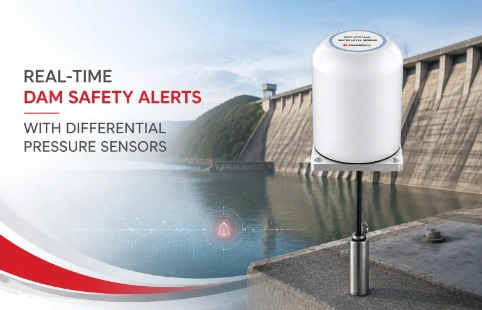
Real-Time Dam Safety Alerts with Differential Pressure Water Level Sensors
Key Takeaways An alert chain needs more than a sensor: define field in...

Practical Rebar Strain Gauges for Concrete Monitoring
When you need to track stress in reinforced concrete structures, rebar strain gauges are a practical choice. These instruments attach directly to reinforcement bars before concrete is poured, giving engineers insight into load distribution and structural behavior over time. Kingmach’s rebar strain gauges are used in bridges, tunnels, and high-rise buildings to help verify design assumptions and detect early signs of overstress. They come with high-quality strain gauge elements that resist moisture and corrosion, which matters a lot in underground or marine environments. Installation can be done by welding or with tie wire, depending on site conditions. The gauges are compatible with standard readout units and data loggers, so integrating them into an existing monitoring system isn’t complicated. Since each project has its own requirements, we can adjust gauge length, cable length, and even the steel grade to match the rebar being used. This flexibility helps keep costs under control while still getting the data you need. With a global network of partners, technical support and replacement parts are available when you need them. The goal is to provide a strain monitoring solution that fits into your workflow without adding unnecessary complexity.
Technical Detail
Kingmach rebar strain gauges are built around a steel carrier that matches the thermal expansion of typical reinforcing steel. This design choice reduces temperature-induced errors that can muddy long-term data. The sensing element uses foil strain gauge technology, which gives stable readings over a wide range of temperatures. A built-in thermistor provides temperature compensation, so you can separate mechanical strain from thermal effects. The gauge body is sealed against moisture, and with proper cable termination it can handle submersion or high humidity. Standard models have an IP68 rating, but cable exits and connectors are often the weak point in wet environments. That’s why we offer armored cables and custom sealing options for projects that expect harsh conditions. Measuring range is typically up to 3,000 microstrain, which covers the yield strain of most reinforcing bars. Higher ranges are available on request. Output follows the standard full-bridge configuration, making these gauges compatible with most readout boxes and data loggers. Because Kingmach is a professional manufacturer of geotechnical instruments, you’re not locked into off-the-shelf specs. We frequently adjust gauge length to fit anchor spans, cable lengths to route through formwork, and steel grades to match the rebar chemistry on site. After the pour, if you need extra technical support or spare sensors, our distribution network can get parts to your project without long delays. For archiving or analysis, data can be exported to CSV or integrated into third-party monitoring platforms. The idea is to give you a strain reading tool that doesn’t demand changes to your construction sequence, while still holding up over the design life of the structure.
News
Key Takeaways An alert chain needs more than a sensor: define field in...
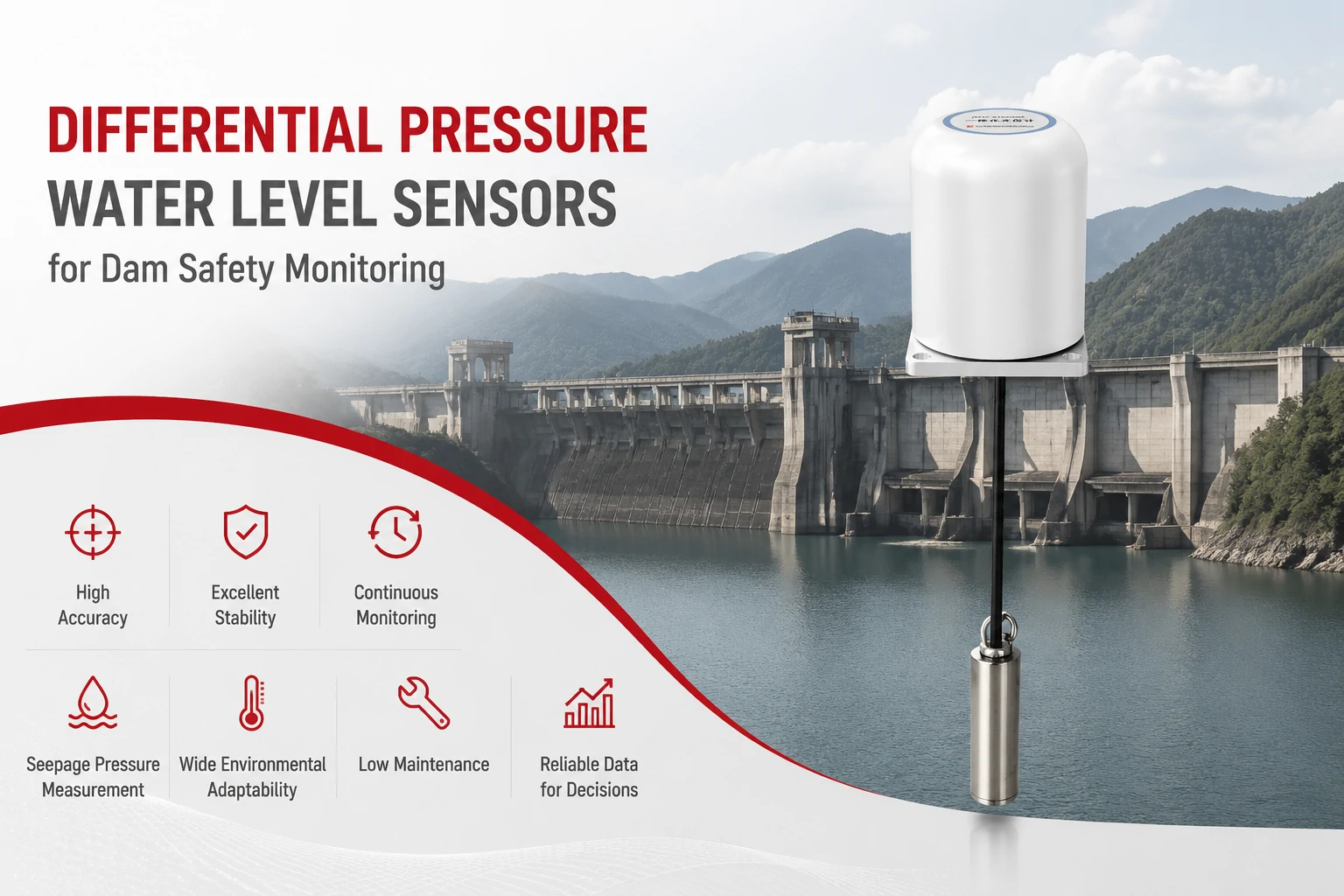
Key Takeaways The strongest fit is usually a confined, submerged, or s...
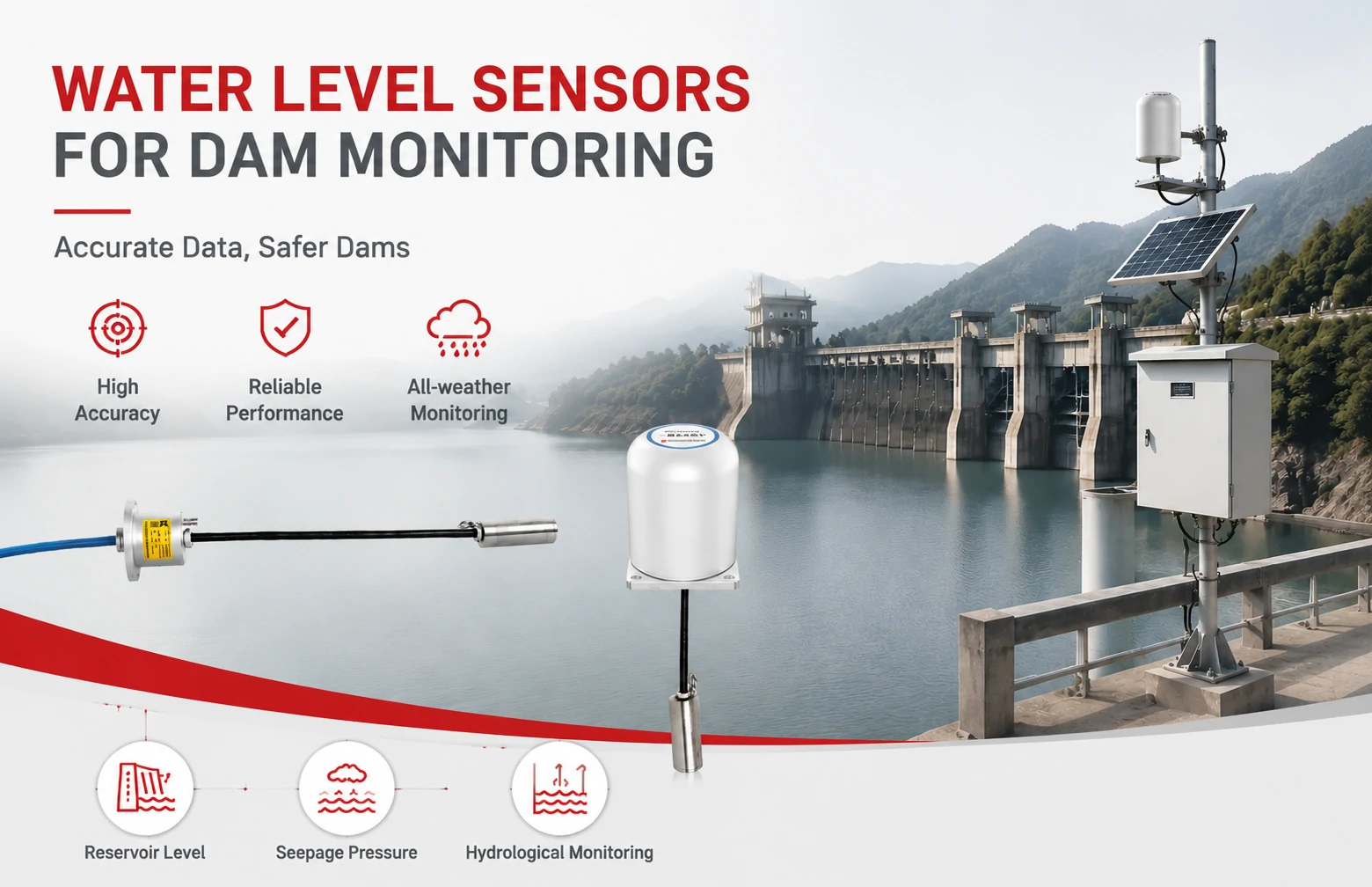
Kingmach Water Level Sensors for Dam Monitoring: A Buyer's Guide to Differential Pre...
Products
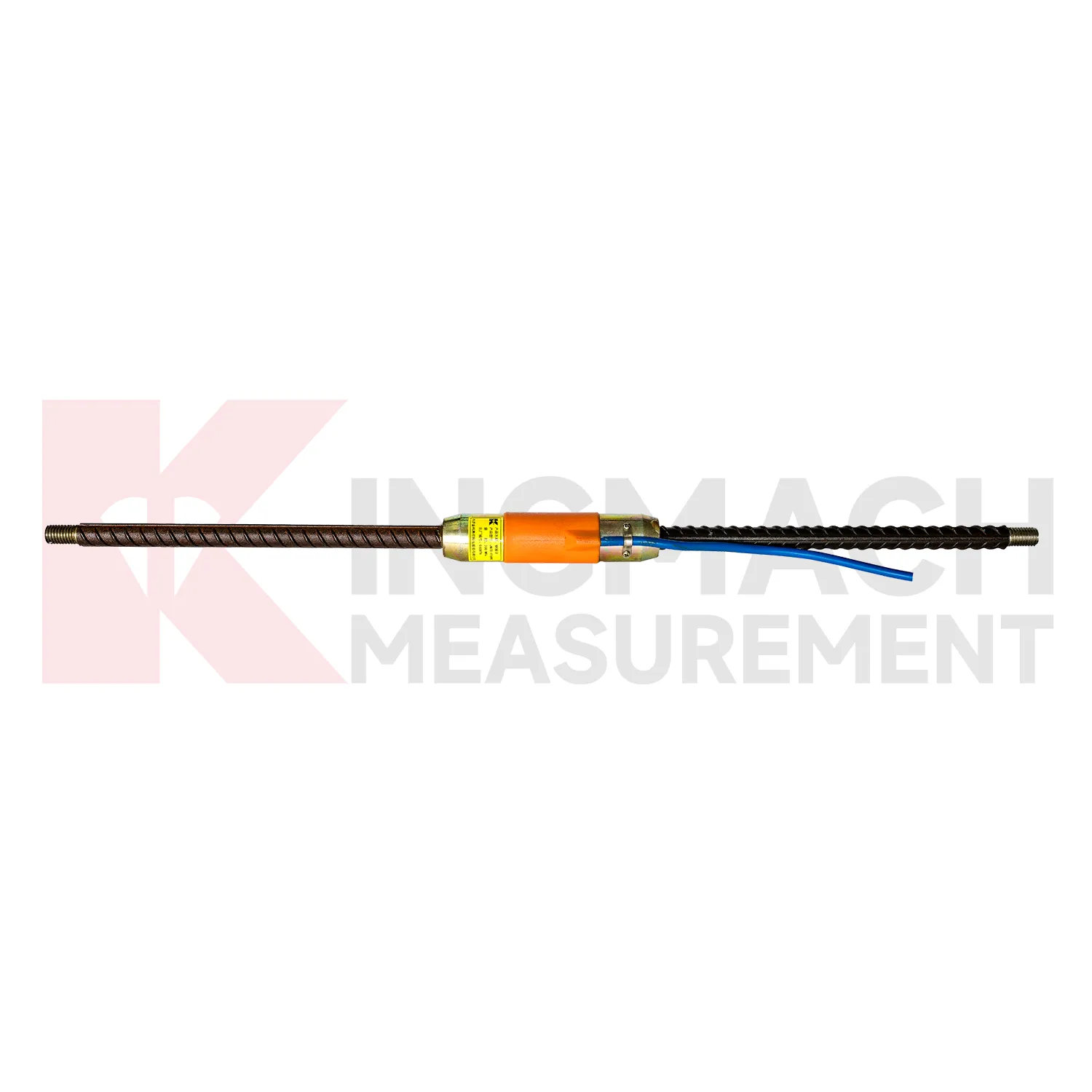
Rebar Strainmeters ( VW & Smart Type) JMZX-4XXHAT/HB
View Details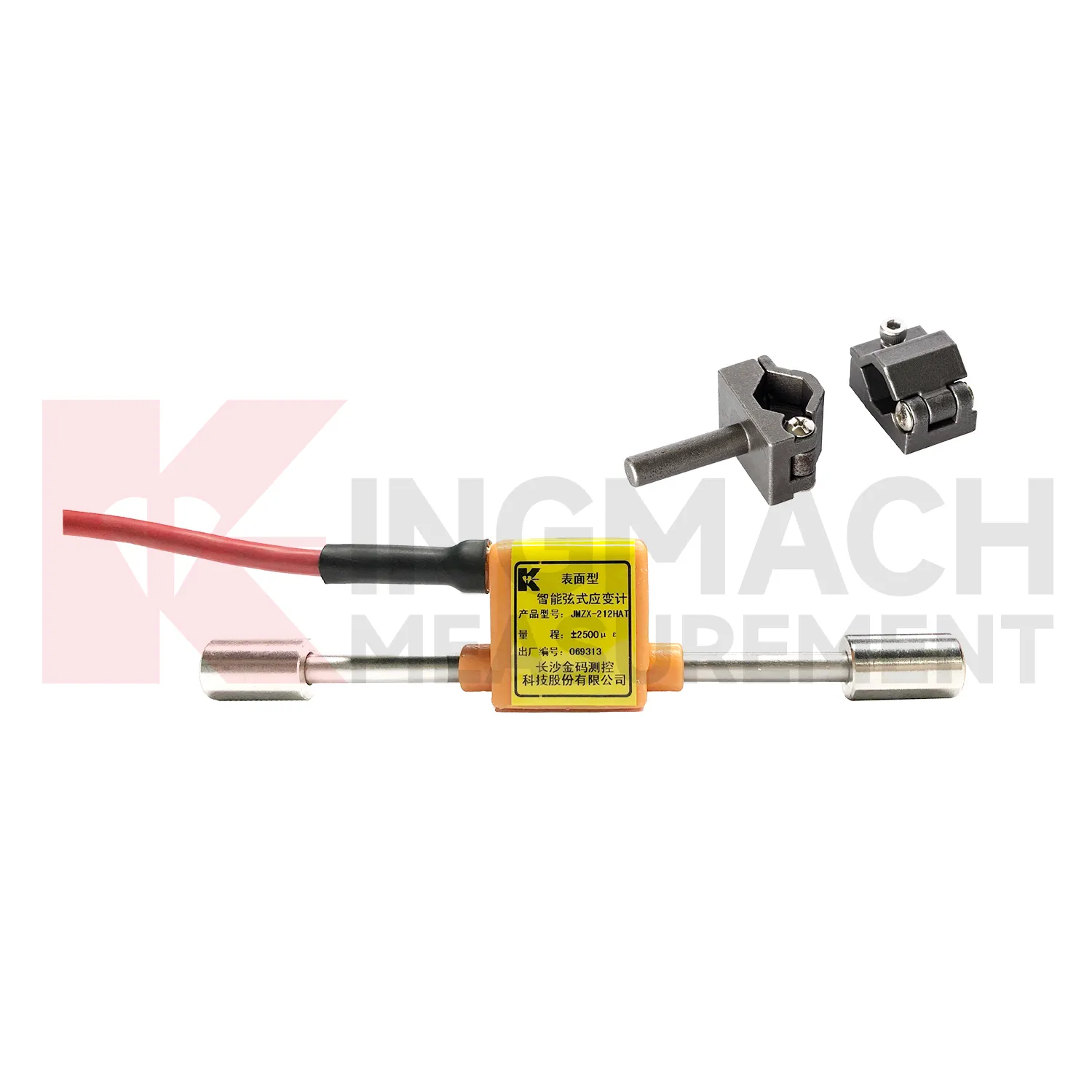
Smart vibrating wire strain gauge (surface model) JMZX-212HAT/HB
View Details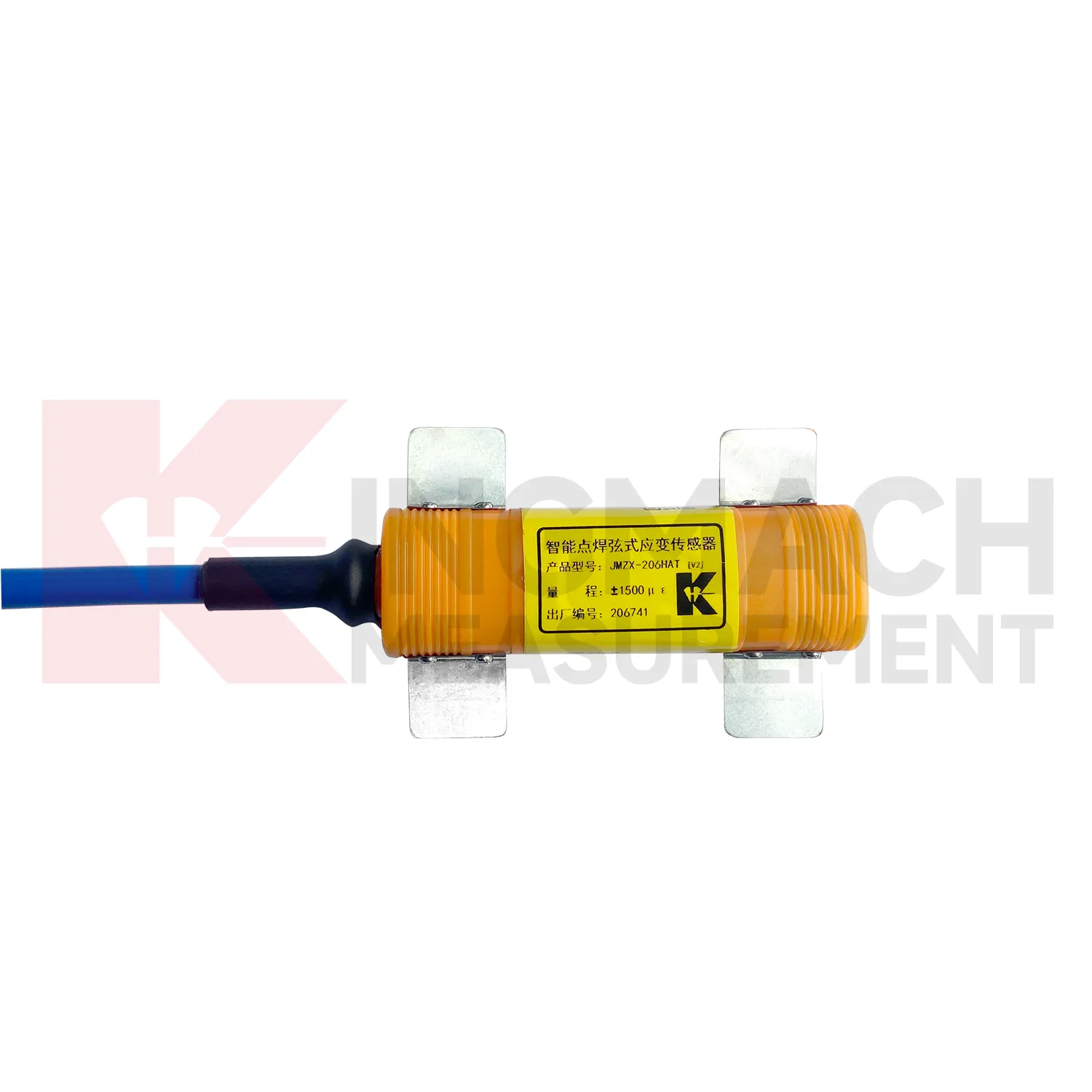
Smart vibrating wire strain gauge (surface welded model) JMZX-206HAT
View DetailsFAQ
Most contractors weld the gauge’s steel end flanges to the rebar. Spot welding works if you keep heat away from the sensing element. For sites where welding isn’t allowed, we provide tie-wire kits that clamp the gauge firmly to the bar. The goal is full strain transfer without altering the rebar’s properties.
Yes, but the built-in thermistor helps. Every gauge includes a temperature sensor so you can compensate for thermal expansion. The carrier steel matches the rebar’s thermal coefficient, which reduces baseline drift. Still, it’s worth running a thermal calibration if you’re monitoring a structure that sees wide temperature swings.
The gauge itself is passive, with no electronics to fail, so its life depends mainly on moisture ingress. With proper sealing and intact cables, you can get readings for decades. We’ve seen installations in dam monitoring that still output good data after 20 years. The weak link is usually the cable jacket or the splice points if you extend them.
Generally no. Once cast in concrete, they’re part of the structure. For short-term pullout tests or lab work, you might recover the gauge if the concrete is carefully chipped away, but the risk of damaging the foil element is high. They’re treated as consumable sensors for each pour.
Longer gauges average strain over a larger embedment length, which helps in non-homogeneous materials or when rebar bond might vary. Shorter gauges give a more localized reading. A common rule is to pick a gauge length at least three times the maximum aggregate size around the rebar. We can help you match the gauge to your rebar diameter and monitoring goal.
Share your product type, target capacity, and application requirements. Our team can review the details and recommend a practical next step.
If you are interested in our products or want to become our partner.
Please leave your contact information, our team will contact you as soon as possible.
Mail: [email protected]
Contact Us: +8613808434127
Address: No. 188 Tongzipo West Rd, Changsha, Hunan, China