
 EN
EN
 ar
ar bg
bg hr
hr cs
cs da
da nl
nl fi
fi fr
fr de
de el
el hi
hi it
it ko
ko no
no pl
pl pt
pt ro
ro ru
ru es
es sv
sv tl
tl iw
iw id
id lv
lv lt
lt sr
sr sk
sk sl
sl uk
uk vi
vi et
et hu
hu th
th tr
tr fa
fa ms
ms hy
hy ka
ka ur
ur bn
bn mn
mn ta
ta kk
kk uz
uz ku
ku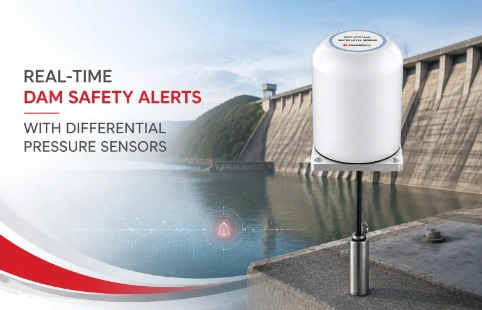
Real-Time Dam Safety Alerts with Differential Pressure Water Level Sensors
Key Takeaways An alert chain needs more than a sensor: define field in...

Vibration Sensors for Demanding Monitoring Jobs
Monitoring how a dam, bridge, or tunnel actually behaves under stress is a lot harder than plugging in a generic gauge. One of the first things engineers look at is vibration—how the structure moves, at what frequencies, and whether those patterns are changing over time. That’s where a vibration sensor becomes more than just a component on a spec sheet. Kingmach has spent years putting together instruments that tackle these kinds of jobs. The vibration sensor lineup pulls from several measurement principles—piezoelectric, MEMS, and geophones—so the right sensitivity and bandwidth match the actual site conditions. Output options run from simple analog signals to digital protocols that feed straight into most data loggers. Because no two projects are identical, customization comes into play often. Housing material, cable length, mounting accessories, and signal conditioning can all be adjusted without blowing up the lead time. The idea is to give you a sensor that works with your system, not one that forces you to rework your design.
Technical Detail
When you’re building out a monitoring network, the sensor is the front line. Mess that up and everything downstream—data quality, alarm thresholds, long-term trend analysis—takes a hit. Kingmach’s vibration sensors are built with that in mind, keeping measurement fundamentals solid before layering on features. Typical units cover acceleration ranges from milli-g up to tens of g’s, spanning low-frequency structural modes (think suspension bridges) to higher-frequency impacts on nearby equipment. Sensitivity curves are flat where they need to be, so you’re not chasing phantom peaks. Output varies: 4-20 mA loops work well for industrial PLCs, while digital outputs (RS-485, CAN) give you richer data when sampling rates go up. Physical packages are stainless steel or anodized aluminum for most conditions, with IP68 ratings on sealed versions. What sets Kingmach apart isn’t a revolutionary new technology—it’s the range and the willingness to adapt. Need a triaxial sensor in a custom mount for a mine shaft? It’s doable. Shipment to a remote site in Southeast Asia via a partner distributor? They’ve handled that. Technical support doesn’t stop at delivery either; field wiring queries or calibration questions are just part of the day. All of this comes without the premium pricing that often tags along with “specialized instrumentation.” For engineers planning a medium-scale deployment where reliability and project fit matter more than brand prestige, the choice makes practical sense.
News
Key Takeaways An alert chain needs more than a sensor: define field in...
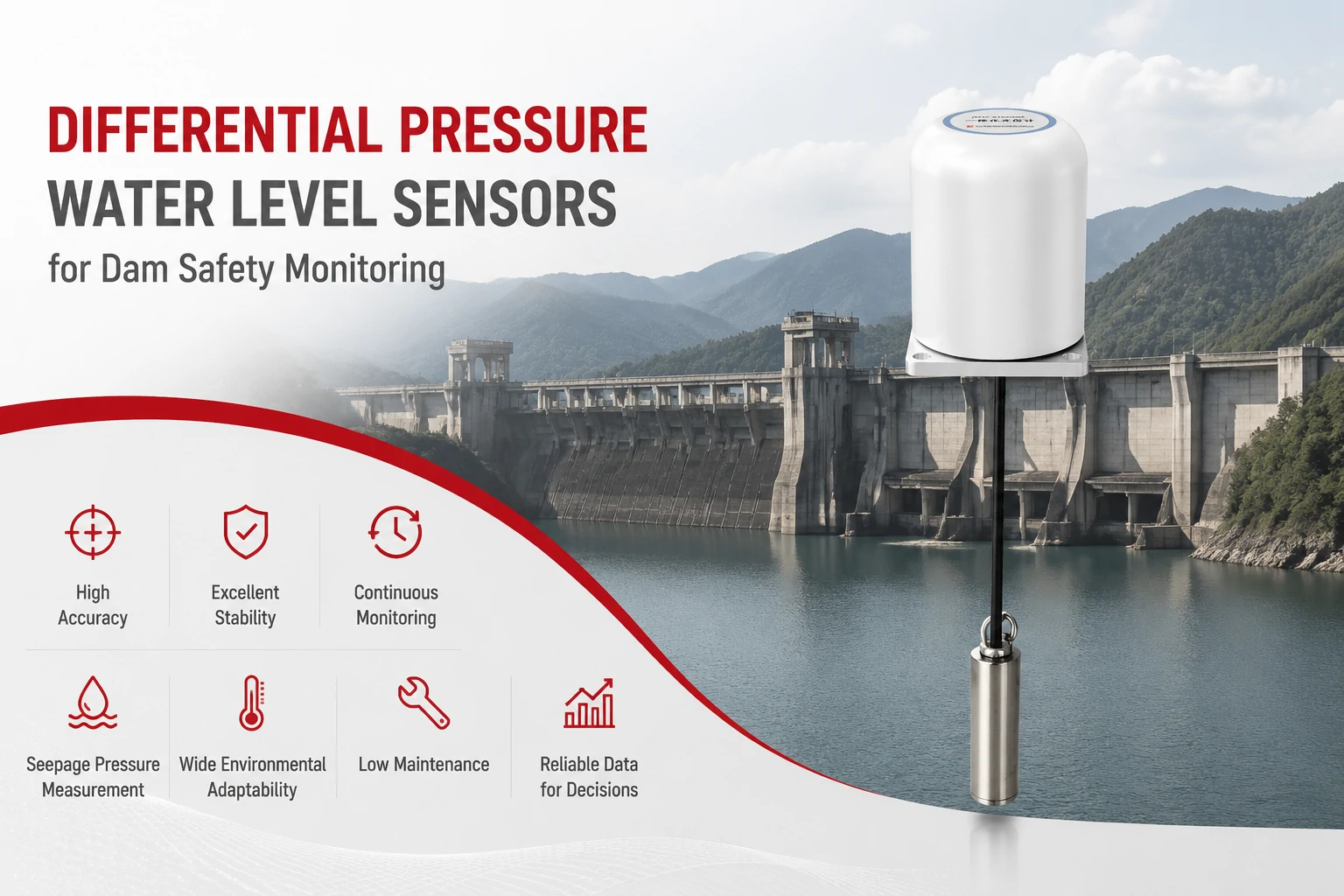
Key Takeaways The strongest fit is usually a confined, submerged, or s...
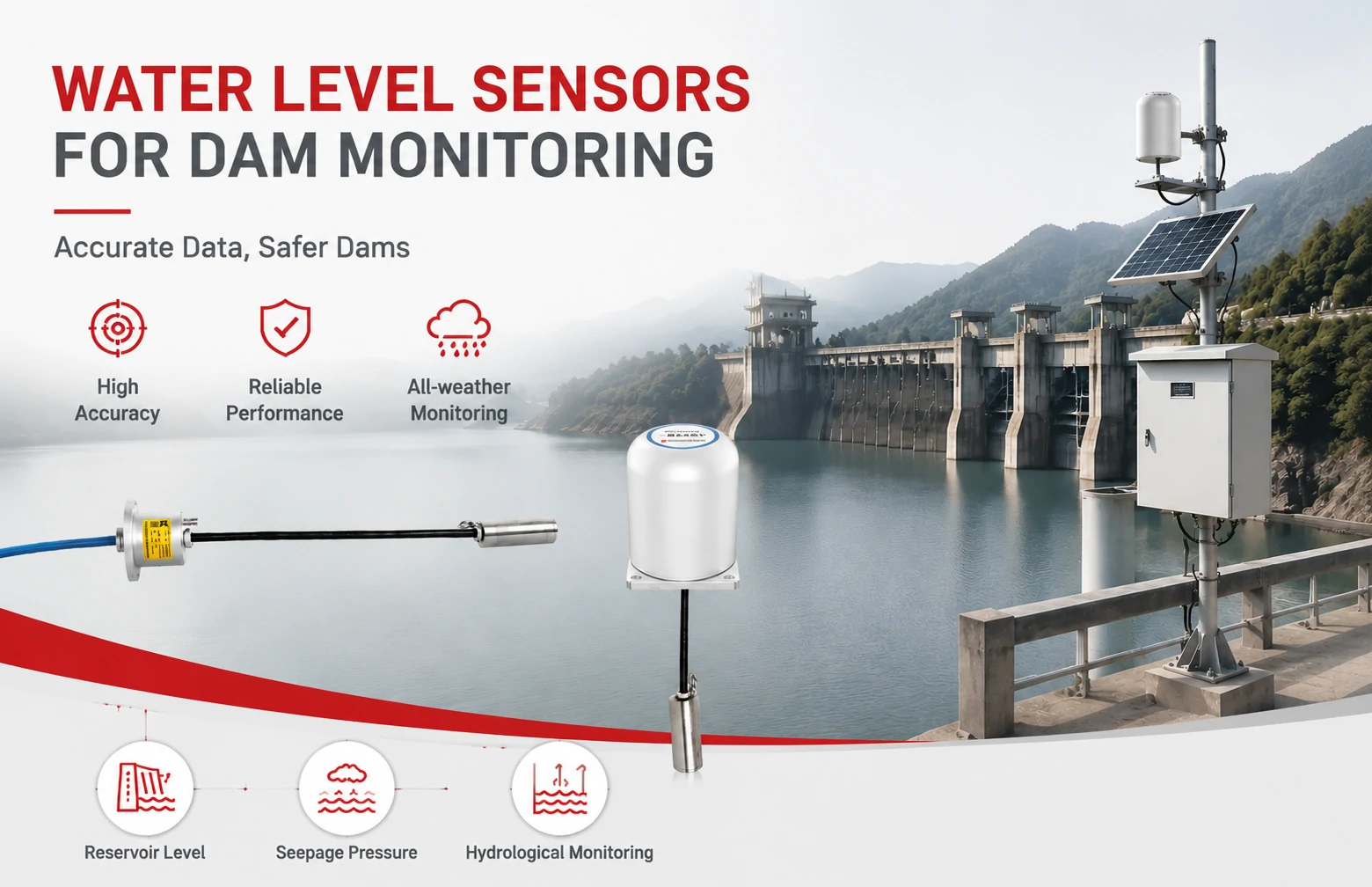
Kingmach Water Level Sensors for Dam Monitoring: A Buyer's Guide to Differential Pre...
Products
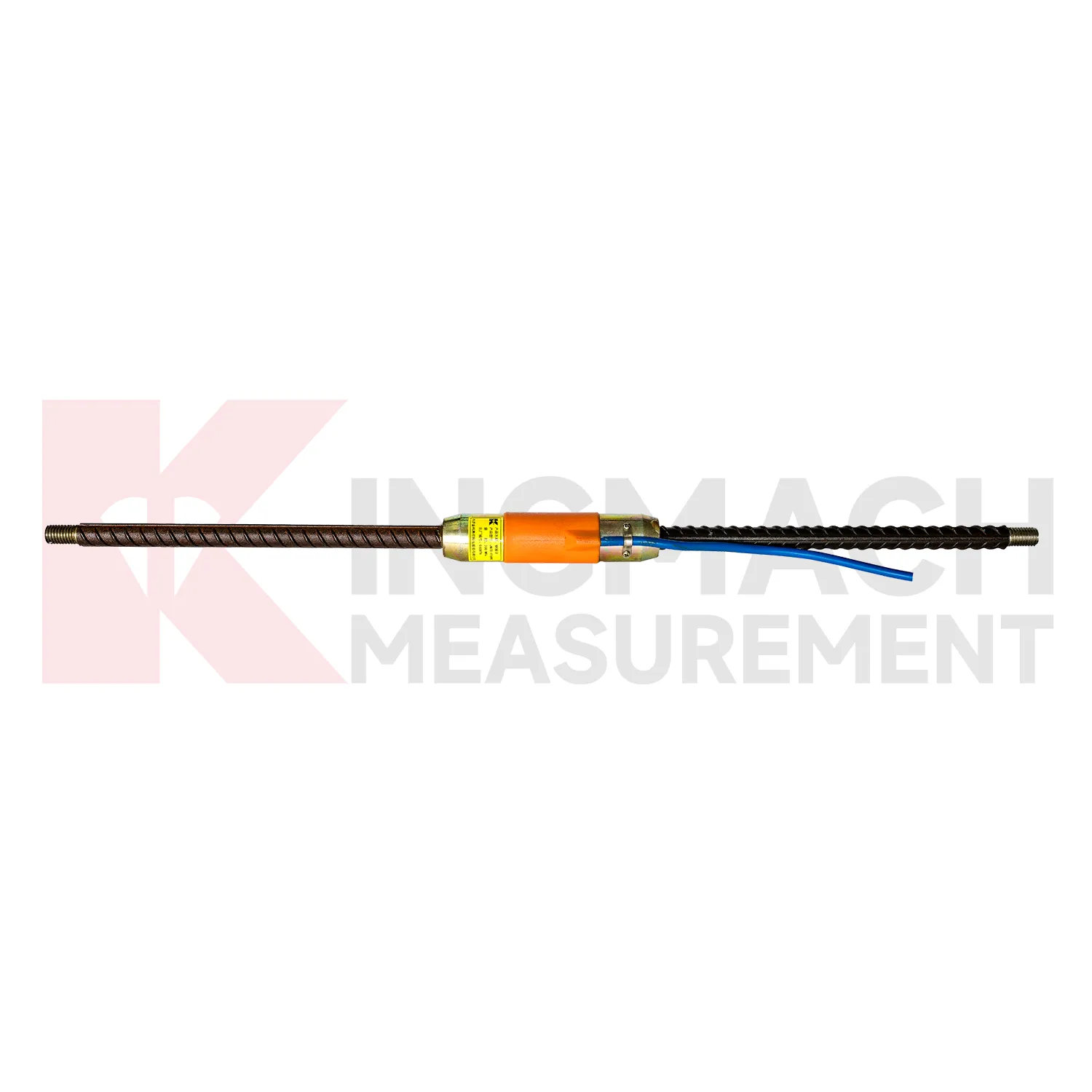
Rebar Strainmeters ( VW & Smart Type) JMZX-4XXHAT/HB
View Details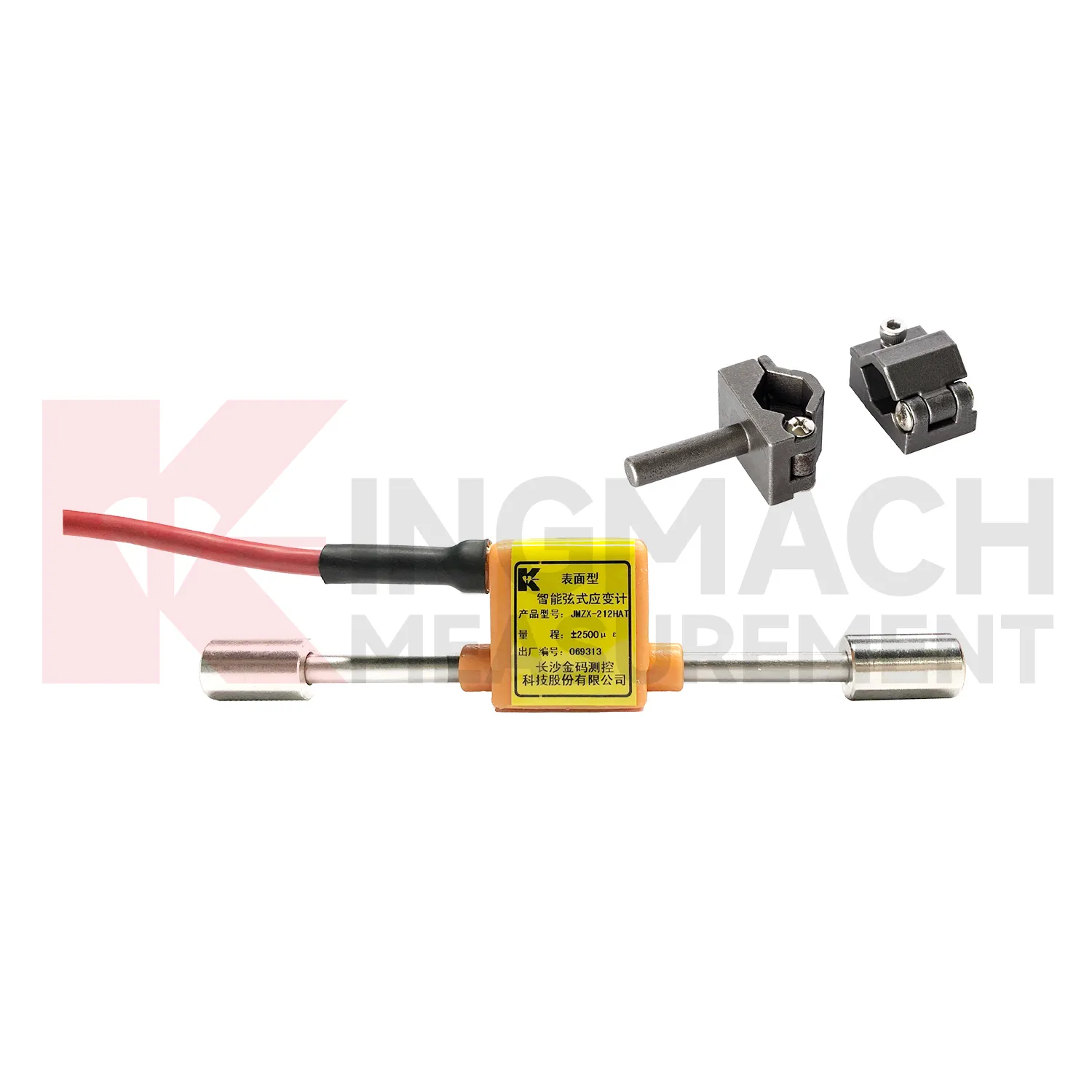
Smart vibrating wire strain gauge (surface model) JMZX-212HAT/HB
View Details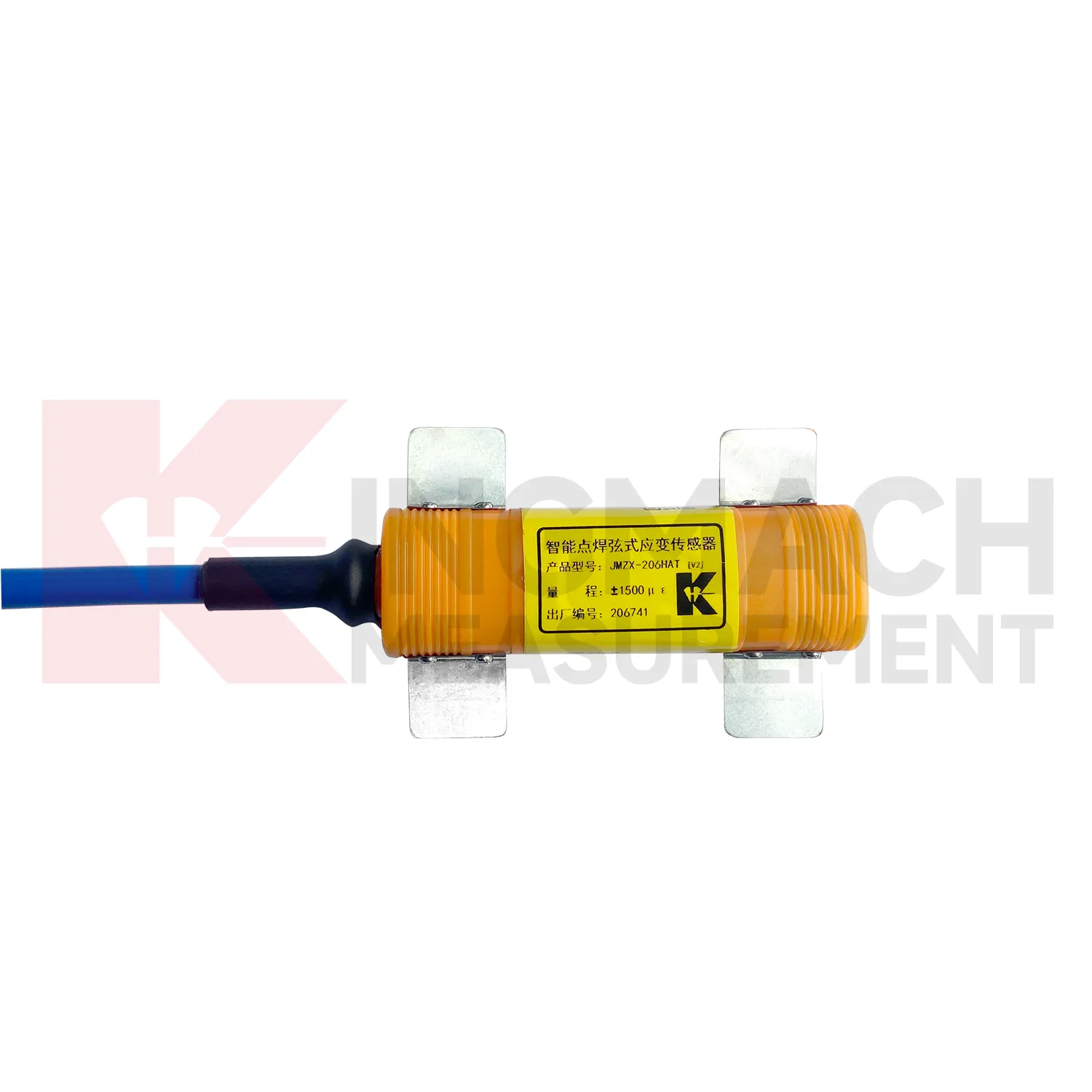
Smart vibrating wire strain gauge (surface welded model) JMZX-206HAT
View DetailsFAQ
It depends on what you’re measuring and the frequency range you need. For low-frequency structural motion (below 100 Hz), a geophone or MEMS sensor often fits. For higher frequencies, like impact or machinery monitoring, piezoelectric designs are more responsive. Kingmach can help match a sensor to your target amplitude and bandwidth after reviewing your monitoring goals.
Yes, most of the vibration sensors come with standard outputs—like 4-20 mA, 0-10V, or digital protocols such as RS-485 and CAN—that interface directly with popular loggers and PLCs. If you’re using a proprietary system, we can discuss signal conditioning to make it work.
Common adjustments include cable length, connector type, mounting base, and enclosure material. For larger orders, we can also tweak sensitivity or frequency roll-off. Start with your requirements, and our engineering team will propose a variant that stays within realistic lead times.
Stability is key. Our sensors maintain specified sensitivity and zero drift under normal environmental conditions over years. For critical applications, we recommend periodic calibration checks, which we can support with documentation and services.
While we primarily ship hardware, we offer detailed manuals and remote assistance. If your project needs hands-on installation training, we can connect you with local technical partners in many regions.
Share your product type, target capacity, and application requirements. Our team can review the details and recommend a practical next step.
If you are interested in our products or want to become our partner.
Please leave your contact information, our team will contact you as soon as possible.
Mail: [email protected]
Contact Us: +8613808434127
Address: No. 188 Tongzipo West Rd, Changsha, Hunan, China