
 EN
EN
 ar
ar bg
bg hr
hr cs
cs da
da nl
nl fi
fi fr
fr de
de el
el hi
hi it
it ko
ko no
no pl
pl pt
pt ro
ro ru
ru es
es sv
sv tl
tl iw
iw id
id lv
lv lt
lt sr
sr sk
sk sl
sl uk
uk vi
vi et
et hu
hu th
th tr
tr fa
fa ms
ms hy
hy ka
ka ur
ur bn
bn mn
mn ta
ta kk
kk uz
uz ku
ku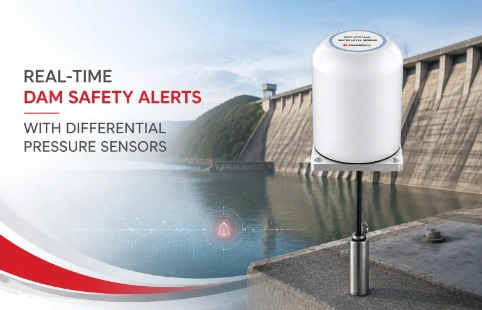
Real-Time Dam Safety Alerts with Differential Pressure Water Level Sensors
Key Takeaways An alert chain needs more than a sensor: define field in...

Hydrostatic Pressure Level Sensor for Groundwater and Open Water Monitoring
When a project demands consistent groundwater or surface water data, the sensor choice matters. Kingmach has been supplying hydrostatic pressure level sensors to geotechnical and environmental monitoring teams for years, and the focus is always on getting stable readings in real field conditions—not just spec sheets. These sensors work by sensing the pressure head above them, which translates directly to water depth. It’s a proven principle, and the trick lies in dealing with temperature shifts, barometric pressure swings, and long-term drift. Kingmach builds for that. Instead of blanketing every industry, they tailor the housing, cable material, and diaphragm to match the project: whether it’s a saline borehole, a dam seepage point, or a river gauge that freezes in winter. Customization isn’t an add-on; it’s how they handle the variations that off-the-shelf units ignore.
Technical Detail
Hydrostatic pressure level sensors from Kingmach are built around one idea: stable, repeatable measurements that hold up over years of deployment. They use piezoresistive or ceramic sensing elements, depending on the required accuracy and chemical resistance. The stainless steel or titanium housing keeps the electronics safe in depths up to a few hundred meters, while the vented cable design automatically compensates for atmospheric pressure changes—a critical detail often overlooked. In practice, this means you get a clean 4-20 mA or Modbus signal that reflects true water level, not a mixed signal of water and air pressure. What sets Kingmach apart is how they handle the small things that cause big problems. Vent tubes are protected with hydrophobic filters to block moisture ingress. Each sensor goes through a temperature cycling test to map out its compensation coefficients, so field readings stay consistent from cold mornings to hot afternoons. The company also offers non-standard pressure ranges and cable lengths, making it simpler to fit a sensor into an existing monitoring network without re-engineering the whole setup. Their technical support team works directly with engineers to match the sensor to the site’s specific conditions—something that matters when you’re installing in a remote dam or a contaminated borehole. For geotechnical applications, these sensors often pair with dataloggers to form a complete monitoring station. They’re used in piezometers to track pore water pressure in soils, in weirs for seepage measurement, and in tanks where chemical compatibility is a concern. The global distribution network means spares and replacements are accessible, and after-sales guidance can save hours of troubleshooting on site.
News
Key Takeaways An alert chain needs more than a sensor: define field in...
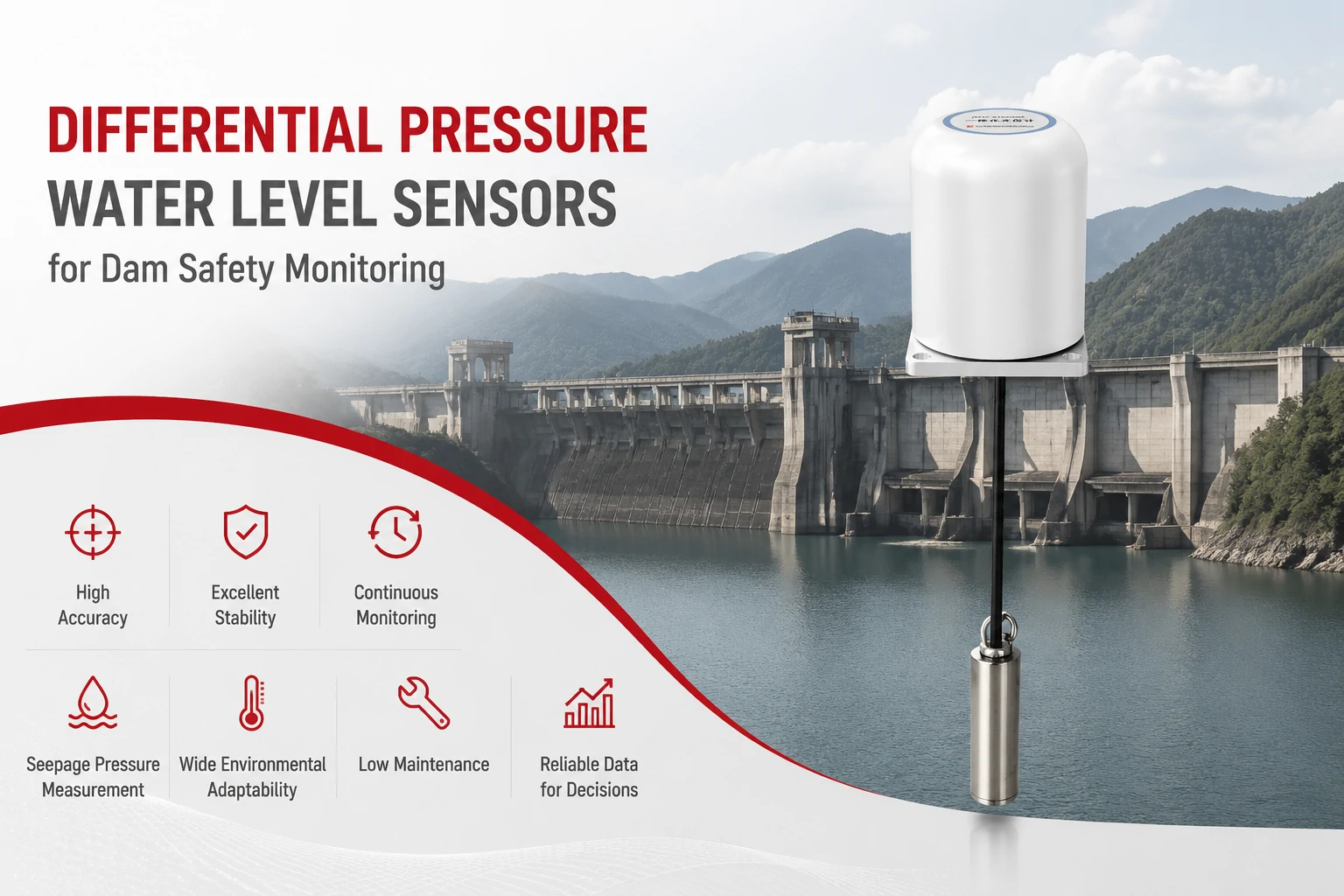
Key Takeaways The strongest fit is usually a confined, submerged, or s...
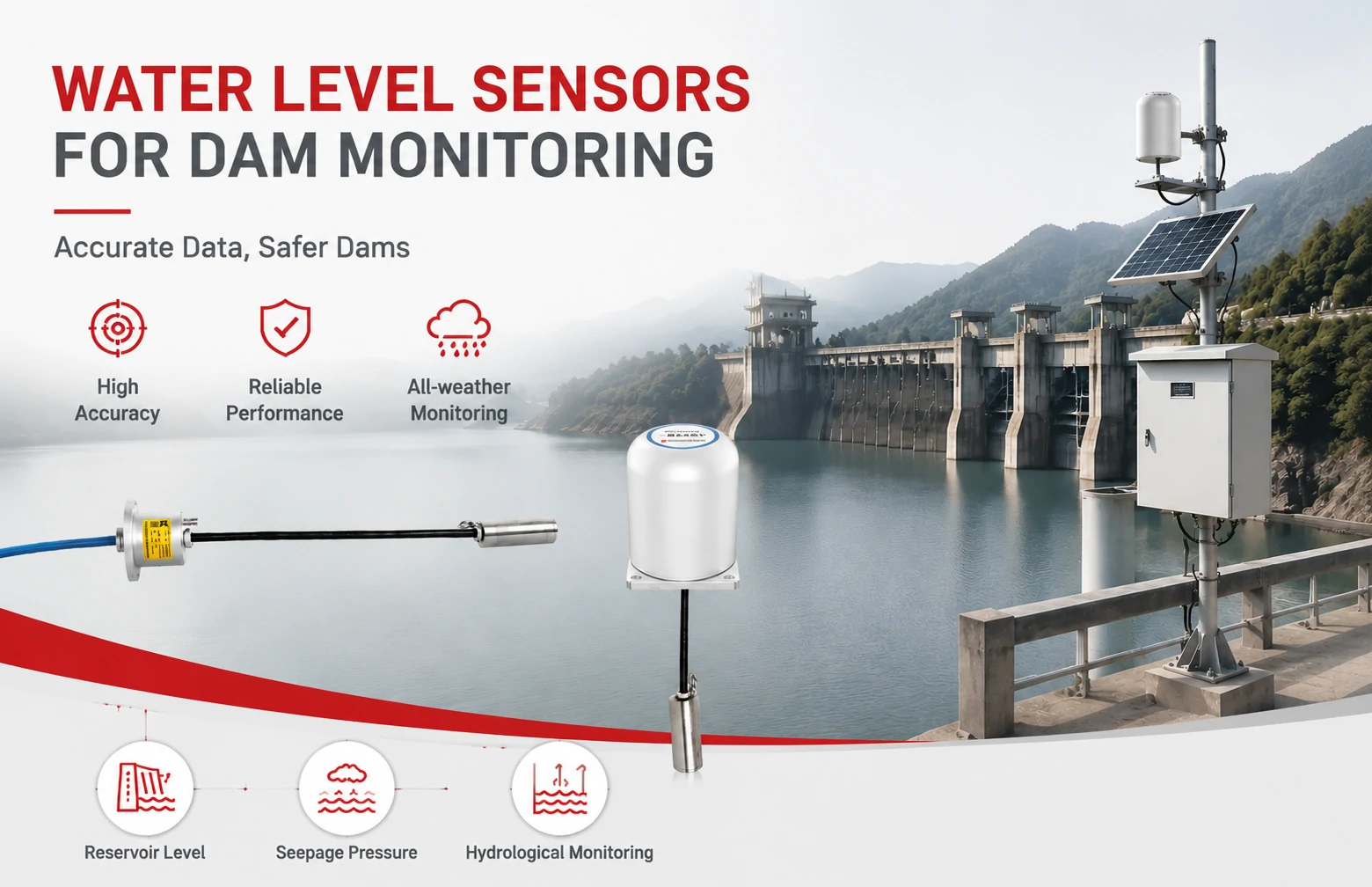
Kingmach Water Level Sensors for Dam Monitoring: A Buyer's Guide to Differential Pre...
Products
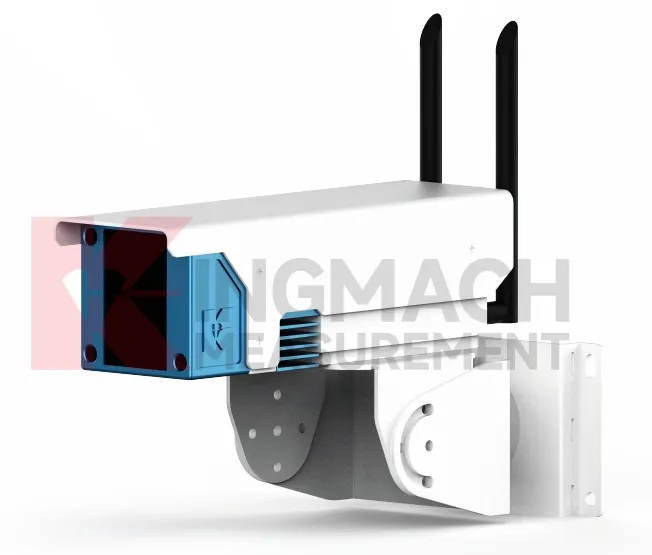
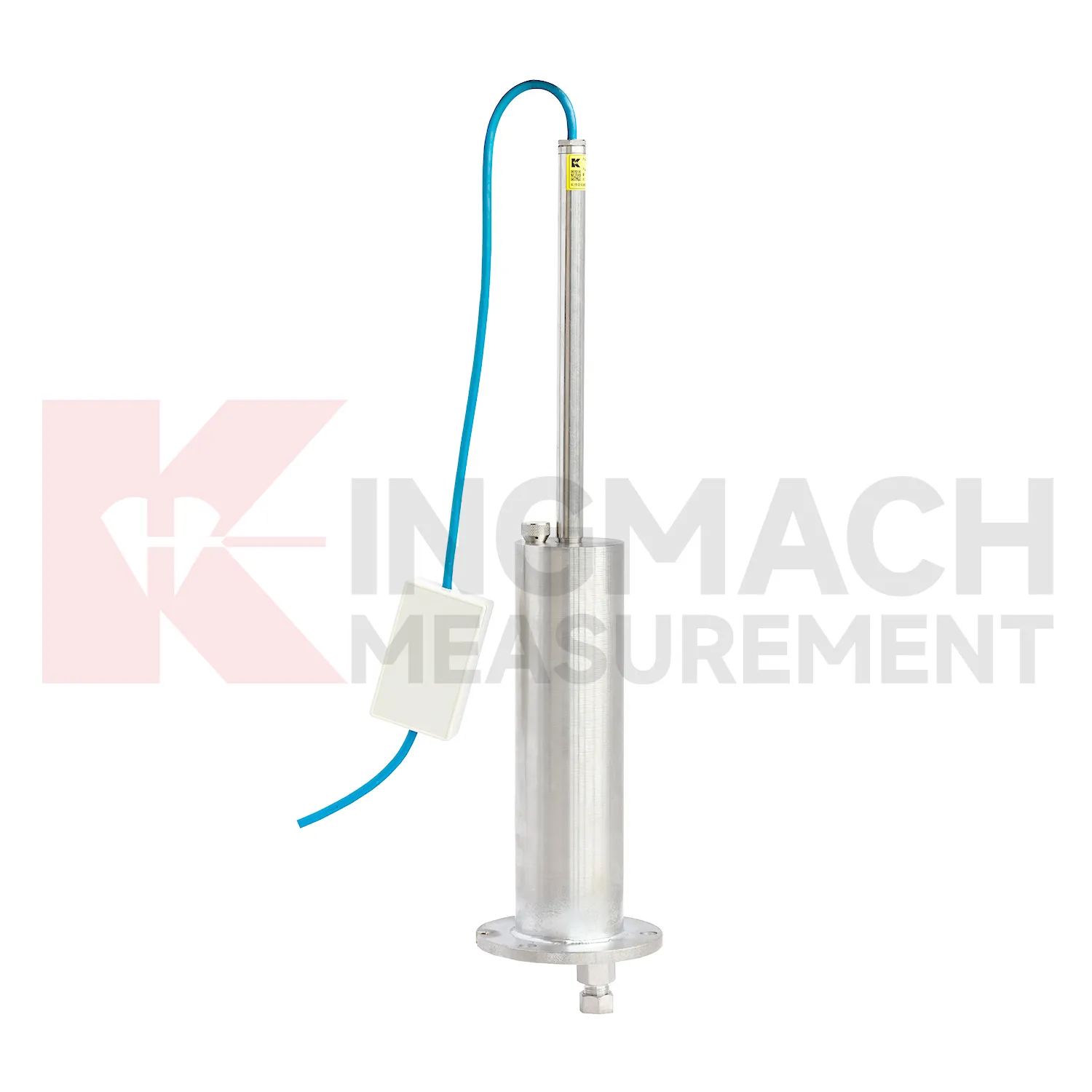
Inductive Frequency-Modulated Hydrostatic Level SensorJMDL-62XXAT、ADT
View Details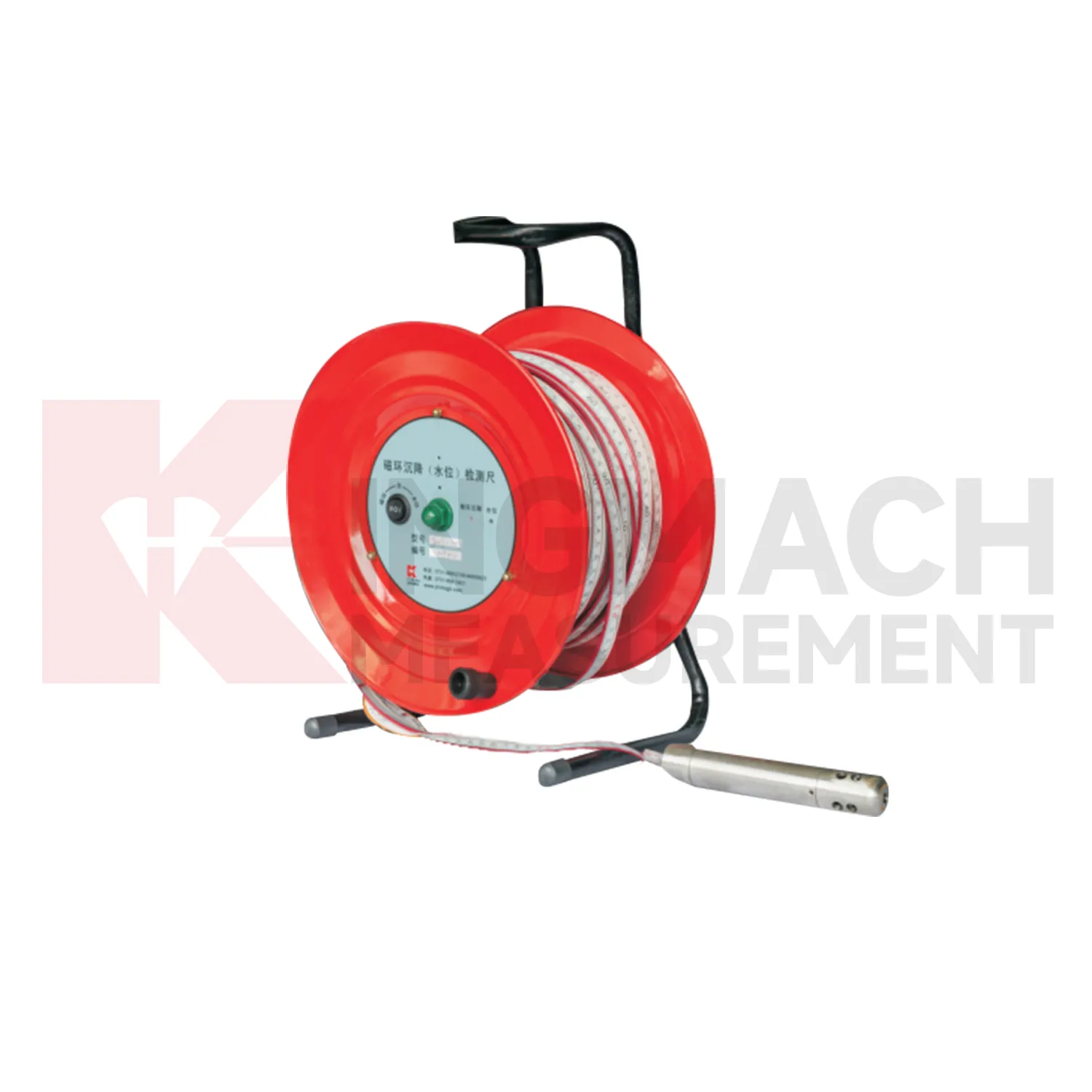
Magnetic Ring Settlement Water Level Gauge JMCJ-1003、1005
View DetailsFAQ
Vented sensors are the go-to for most open water applications because they automatically cancel out atmospheric pressure changes. Non-vented types are sometimes used in sealed tanks or where the cable run is very short and barometric pressure can be monitored separately. Kingmach generally recommends vented for geotechnical work in boreholes and surface water.
Yes, but you need to specify the right materials upfront. Kingmach offers titanium housings and special cable jackets for saline or corrosive conditions. Standard stainless steel is fine for fresh groundwater, but if you’re measuring brine or leachate, it’s worth discussing the fluid chemistry with their support team.
Typically, you can hold ±0.1% to ±0.25% of full scale long-term if the sensor is installed correctly and maintained. The key factors are temperature compensation quality and drift stability. Kingmach runs temperature cycling during calibration and selects components for low drift, so the readings stay reliable between field checks.
Not much. The main thing is keeping the vent tube free of moisture—Kingmach’s hydrophobic filters help a lot there. Periodic checks of the signal and battery voltage are enough for most sites. If biofouling is a problem, a protective cap or anti-foul coating can be added.
You provide the maximum depth and the cable length you need, plus any special environmental factors. Kingmach then selects the diaphragm thickness and electronics to match that range, and builds the assembly accordingly. Lead times vary, but they’re set up for small-batch custom orders.
Share your product type, target capacity, and application requirements. Our team can review the details and recommend a practical next step.
Related Keywords
If you are interested in our products or want to become our partner.
Please leave your contact information, our team will contact you as soon as possible.
Mail: [email protected]
Contact Us: +8613808434127
Address: No. 188 Tongzipo West Rd, Changsha, Hunan, China