
 EN
EN
 ar
ar bg
bg hr
hr cs
cs da
da nl
nl fi
fi fr
fr de
de el
el hi
hi it
it ko
ko no
no pl
pl pt
pt ro
ro ru
ru es
es sv
sv tl
tl iw
iw id
id lv
lv lt
lt sr
sr sk
sk sl
sl uk
uk vi
vi et
et hu
hu th
th tr
tr fa
fa ms
ms hy
hy ka
ka ur
ur bn
bn mn
mn ta
ta kk
kk uz
uz ku
ku
Real-Time Dam Safety Alerts with Differential Pressure Water Level Sensors
Key Takeaways An alert chain needs more than a sensor: define field in...

Load Cell Mounting: The Overlooked Key to Weighing Accuracy
Most weighing errors don’t start inside the load cell. They begin with how it’s installed. A mounting surface that’s not flat, bolts that are over-torqued, or a support structure that flexes under load—any of these can introduce forces the sensor wasn’t designed to see. Production lines have been halted because a single mounting plate shifted by less than a millimeter. Load cell mounting is about creating a direct, predictable path for the load. It’s the difference between a reading that drifts and one you can trust shift after shift. At Kingmach, we supply mounting hardware that respects this principle. Our mounts are built for the oil, dust, and vibration of real work sites—not just lab conditions. No single mount fits every job. That’s why we offer configurations for compression, tension, and beam-type load cells, with options like stay rods to resist side forces, or elastomeric bearings that dampen shock. The goal is always the same: let the load cell measure only the intended load, with nothing extra creeping in. For applications from silo weighing to conveyor scales, the right mounting kit doesn’t just protect the sensor; it protects your data. And in the end, that’s what you’re really buying: confidence in every number.
Technical Detail
A load cell mounting assembly isn’t just a bracket. It’s the mechanical interface that decides whether your weighing system works in the field or only on the test bench. Kingmach’s mounting kits are designed around three things that matter on a production floor: alignment, restraint, and isolation. Alignment matters because even a small angular load can push a sensor outside its calibrated range. Many Kingmach mounts use a self-centering cup-and-ball arrangement. The load cell rests in a spherical seat, letting the mount find its natural axis. You tighten three bolts, and the sensor sits flat without shims or guesswork. Restraint is about keeping the load cell in place when the vessel expands from heat or the mixer starts shaking. Our tension mounts often include a tie rod that links the load cell to the support structure. It takes up thermal movement and process forces that aren’t part of the weight being measured. The result? The sensor sees only the vertical load it’s meant to read. Isolation addresses the invisible enemies: vibration, electrical noise, stray currents. Kingmach’s platform mounts sometimes pair with a layer of high-durometer rubber. It breaks the path from motor vibration to the strain gauge, while the load cell stays rigidly coupled to the weighing platform. The rubber isolates the noise without making the mount mushy. In heavy industry, mounting hardware also needs to survive washdowns, corrosive dust, or sub-zero cold. We offer stainless steel versions, sealed bearings, and coatings tested for marine environments. Each mount is sized to the load cell capacity and the specific abuse it will face—whether that’s a 5-ton hopper or a 200-gram bench scale. When you buy a load cell from Kingmach, you’re not just picking a sensor. You’re starting a conversation about how it gets installed. Our application engineers help you choose the mounting that eliminates the most common failure points before they happen.
News
Key Takeaways An alert chain needs more than a sensor: define field in...
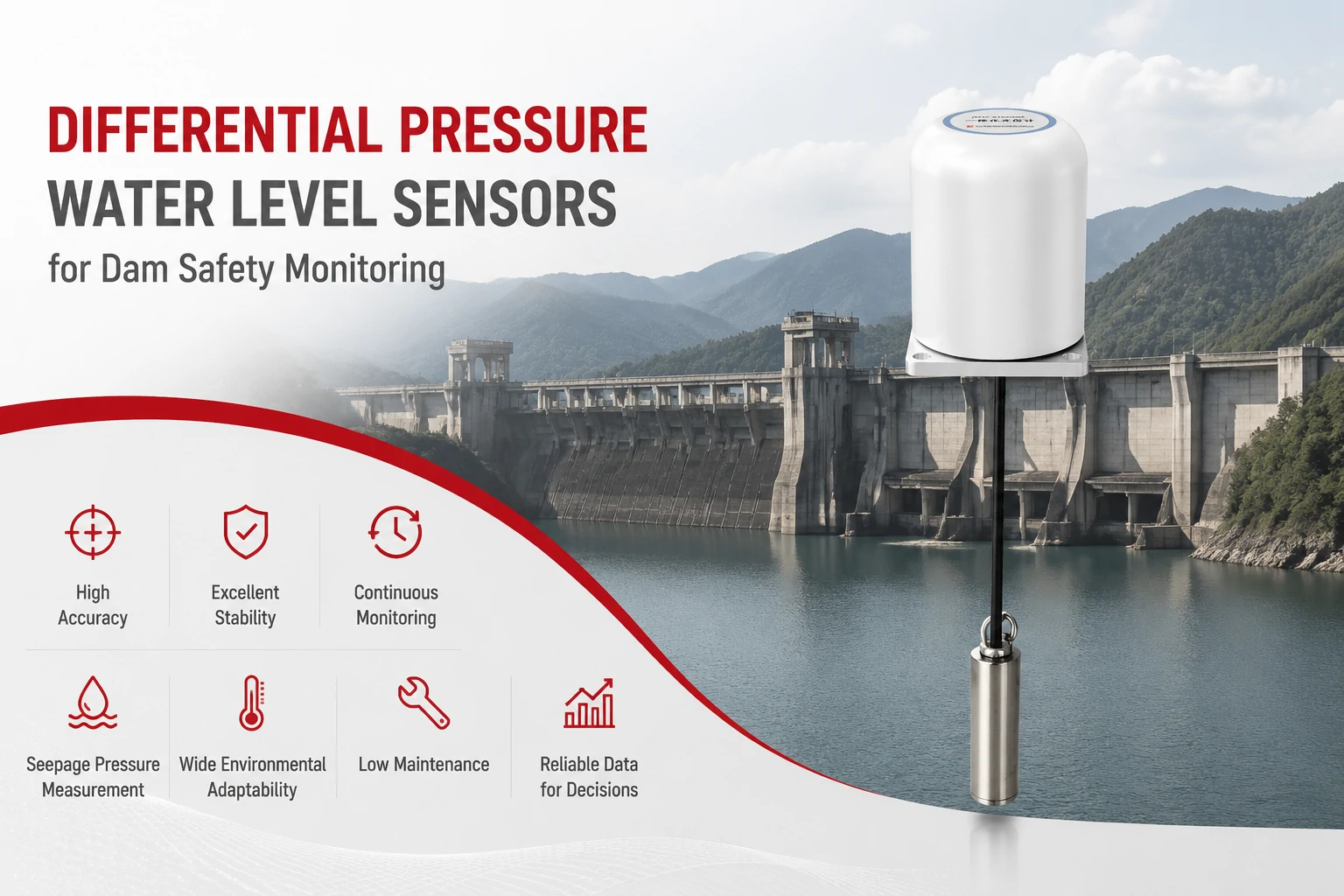
Key Takeaways The strongest fit is usually a confined, submerged, or s...
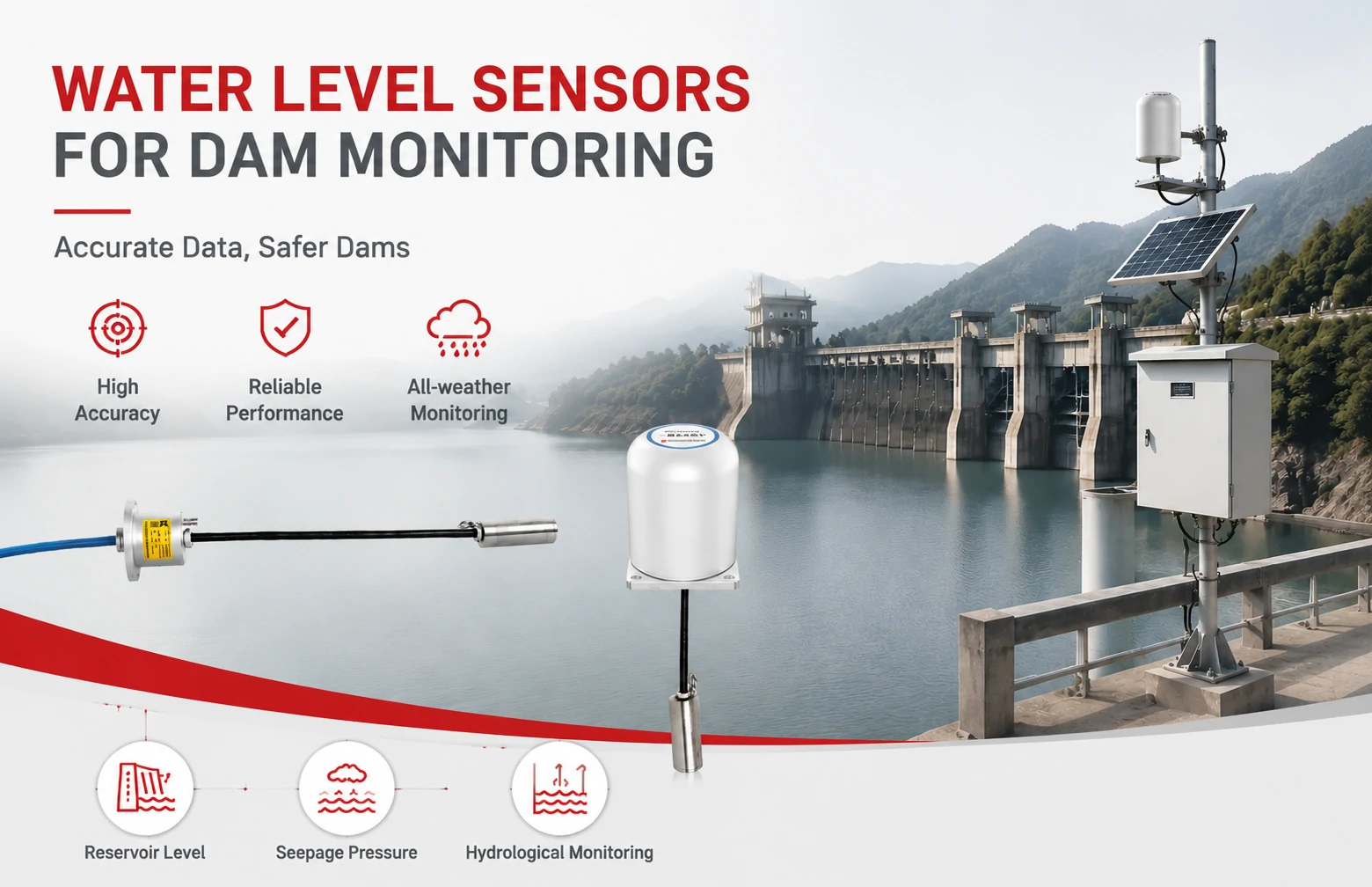
Kingmach Water Level Sensors for Dam Monitoring: A Buyer's Guide to Differential Pre...
Products
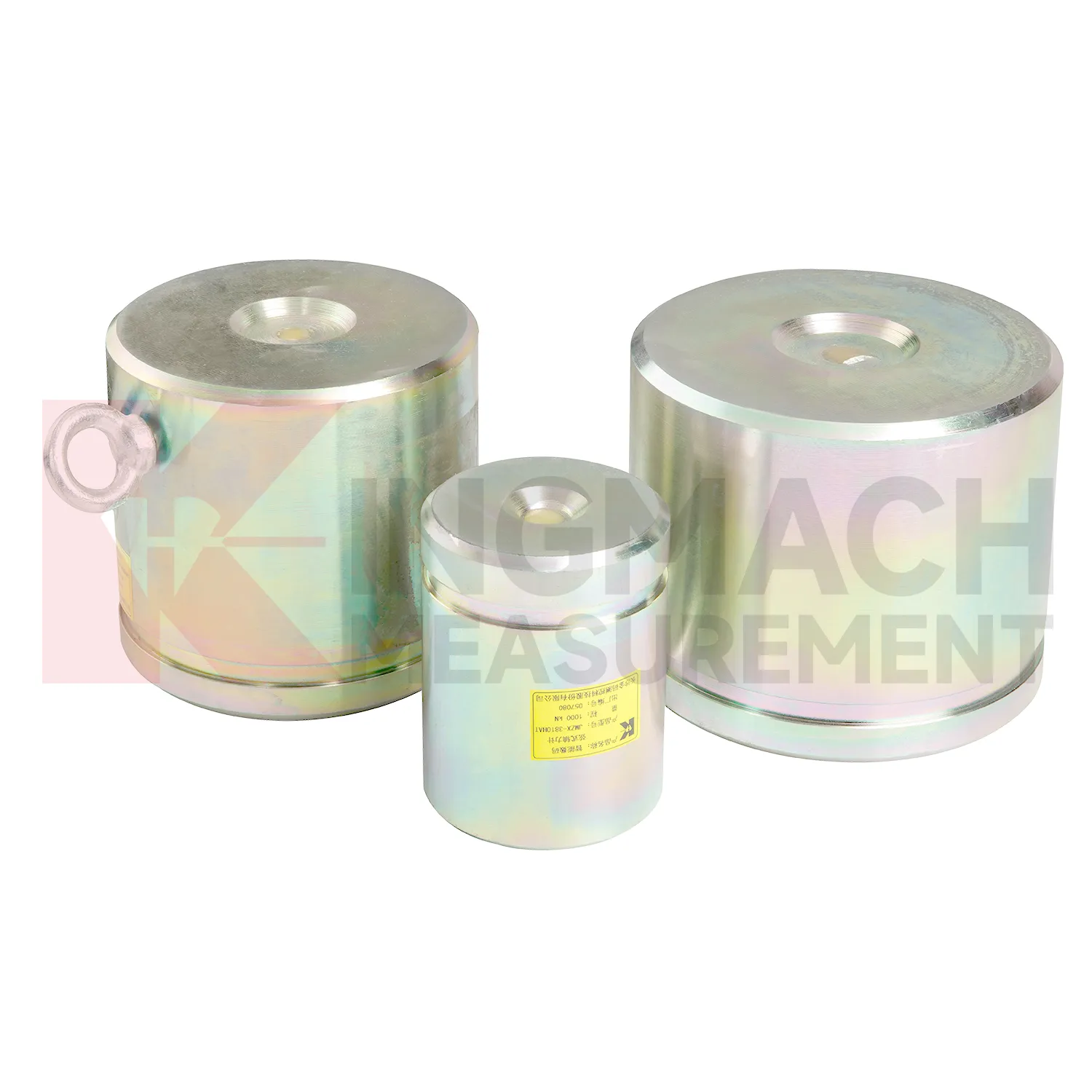
Axial Force Load Meter ( VW & Smart Type)JMZX-38XXHAT
View Details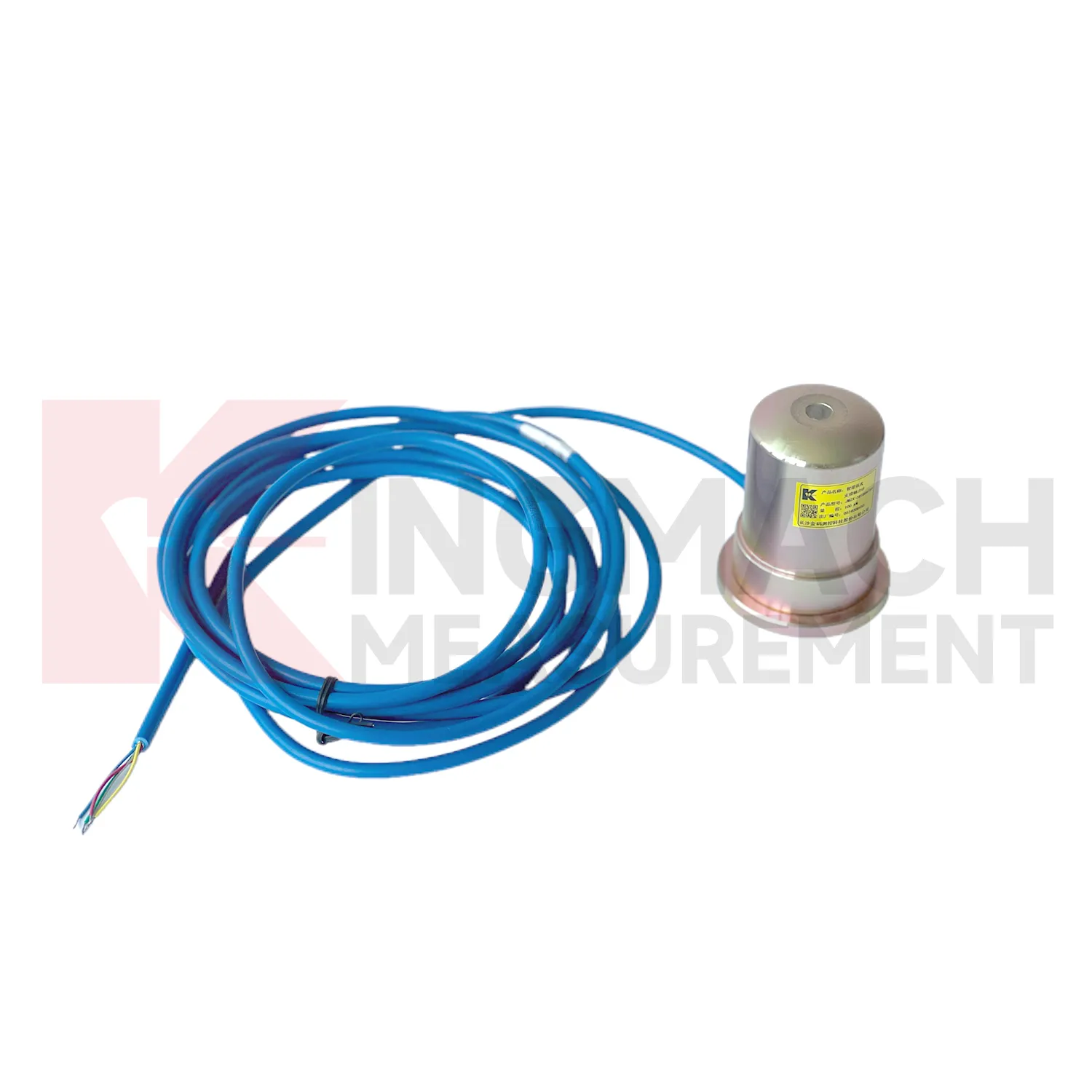
Smart Formwork Axial Force Meter(VW)JMZX-39XXHAT
View Details
Smart Vibrating Wire PiezometerSmart Piezometers (VW) JMZX-55XXHAT
View DetailsFAQ
You can, but it’s risky. A concrete floor isn’t perfectly flat, and the steel base of a machine isn’t perfectly rigid. Direct bolting often locks in bending and side forces that make the load cell’s zero shift or lose linearity. A purpose-built mount takes those forces so the sensor doesn’t have to.
Compression mounts let the load cell sit under the vessel or platform, supporting the weight from below. Tension mounts suspend the load, often using a rod or clevis. The choice depends on how your structure is built and where you have clearance. Tension is common in hoppers hanging from beams; compression is typical under legs or conveyors.
Look for zero drift, non-repeatable readings, or a calibration that won’t hold. A quick check: loosen the mounting bolts slightly. If the reading changes or becomes erratic, the mount is likely inducing side force. Also, measure the load cell output with a known weight placed at different spots on the scale—wild variations point to mounting misalignment.
Yes. We offer stainless steel hardware, IP68 sealing, and coatings that resist phosphoric acid or salt spray. For high-temperature areas, we have mounts with thermal isolation pads. Just let us know the chemical exposure, temperature range, and washdown frequency—we’ll match the materials and seals accordingly.
Don’t just replace the load cell. Inspect the mount’s contact surfaces, spherical washers, and tie rods. Pitting or deformed geometry will create the same errors with a new sensor. Kingmach can cross-reference your old mount to a current model, or design a retrofit that fits your existing footprint. Send us photos and measurements, and we’ll suggest a path that saves you from modifying the structure.
Share your product type, target capacity, and application requirements. Our team can review the details and recommend a practical next step.
If you are interested in our products or want to become our partner.
Please leave your contact information, our team will contact you as soon as possible.
Mail: [email protected]
Contact Us: +8613808434127
Address: No. 188 Tongzipo West Rd, Changsha, Hunan, China