
 EN
EN
 ar
ar bg
bg hr
hr cs
cs da
da nl
nl fi
fi fr
fr de
de el
el hi
hi it
it ko
ko no
no pl
pl pt
pt ro
ro ru
ru es
es sv
sv tl
tl iw
iw id
id lv
lv lt
lt sr
sr sk
sk sl
sl uk
uk vi
vi et
et hu
hu th
th tr
tr fa
fa ms
ms hy
hy ka
ka ur
ur bn
bn mn
mn ta
ta kk
kk uz
uz ku
ku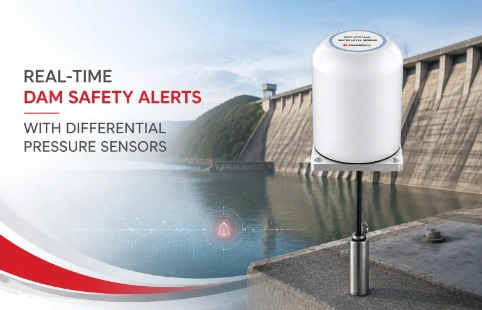
Real-Time Dam Safety Alerts with Differential Pressure Water Level Sensors
Key Takeaways An alert chain needs more than a sensor: define field in...

Common Strain Gauge Uses That Solve Real Monitoring Problems
Strain gauges are more than just laboratory tools. From bridge safety to slope stabilization, their practical uses are more specific than most people think. We often encounter engineers asking, "In what scenarios can this strain gauge be used?" The answer usually depends on the packaging and installation method. At Kingmach, we have seen too many projects reworked because of the wrong type. Therefore, this article will not talk about the theory, but directly talk about the applications-especially those applications in geotechnical and structural monitoring that are easily ignored. We will combine several real cases (locations and numbers have been changed) to help you avoid common pitfalls. If you are choosing a model, or want to confirm whether a certain solution is feasible, the following content may save you a lot of time.
Technical Detail
The core purpose of strain gauges is to measure minute deformations on the surface of objects. But when it comes to construction sites, things can get complicated. The strain gauges produced by Kingmach are mainly used for geotechnical and structural monitoring, such as stress changes in tunnel linings, load distribution of foundation pit supports, indirect measurement of lateral displacement of pile foundations, etc. A typical example is during subway tunnel construction, where embedded strain gauges need to be installed on segments to continuously record the strain development of concrete. This application places high demands on the long-term stability of the sensor, since data is collected continuously for many months. Our strain gauges use temperature self-compensating alloy foil, and the temperature drift can be controlled within 1 με/℃ in the range of -20℃ to 60℃, which is more practical for outdoor projects. Another common use is to cooperate with the steel stress gauge and tie it to the steel cage before pouring to monitor the stress state of the pile body. This usage requires the strain gauge to have sufficient waterproof and impact resistance. We cover the surface of the sensitive grid with multiple layers of sealing coating to withstand the impact during concrete pouring. Some projects will also use spot-welded strain gauges, which are directly fixed on the steel support surface. The installation time is more than half faster than the adhesive type. Behind these different uses is actually the choice of installation method and environmental adaptability. Kingmach provides services from selection consultation to on-site guidance, because in many remote construction sites, a sensor failure means data interruption, which is very costly. Our engineers usually advise customers based on actual working conditions rather than just looking at the parameter table.
News
Key Takeaways An alert chain needs more than a sensor: define field in...
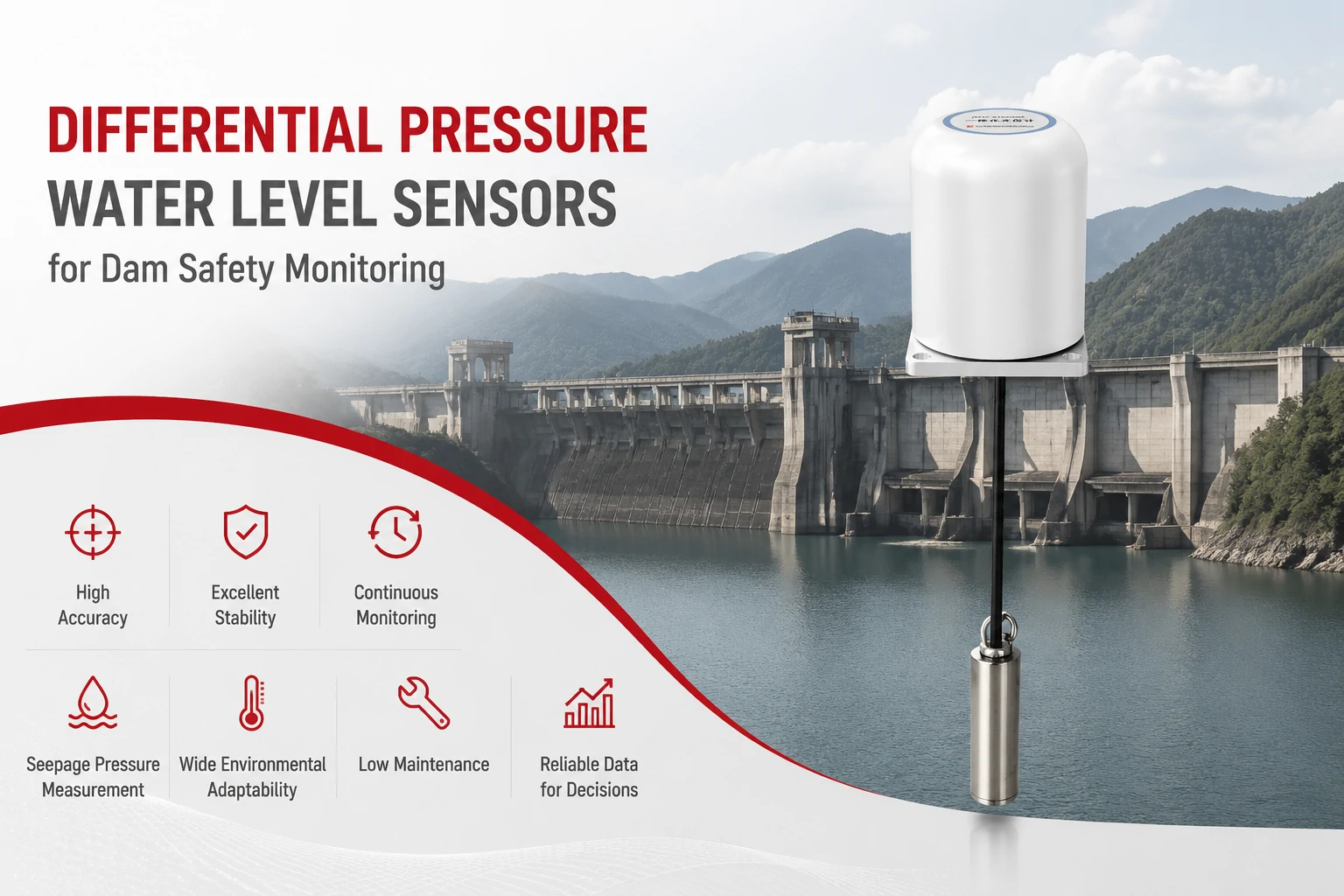
Key Takeaways The strongest fit is usually a confined, submerged, or s...
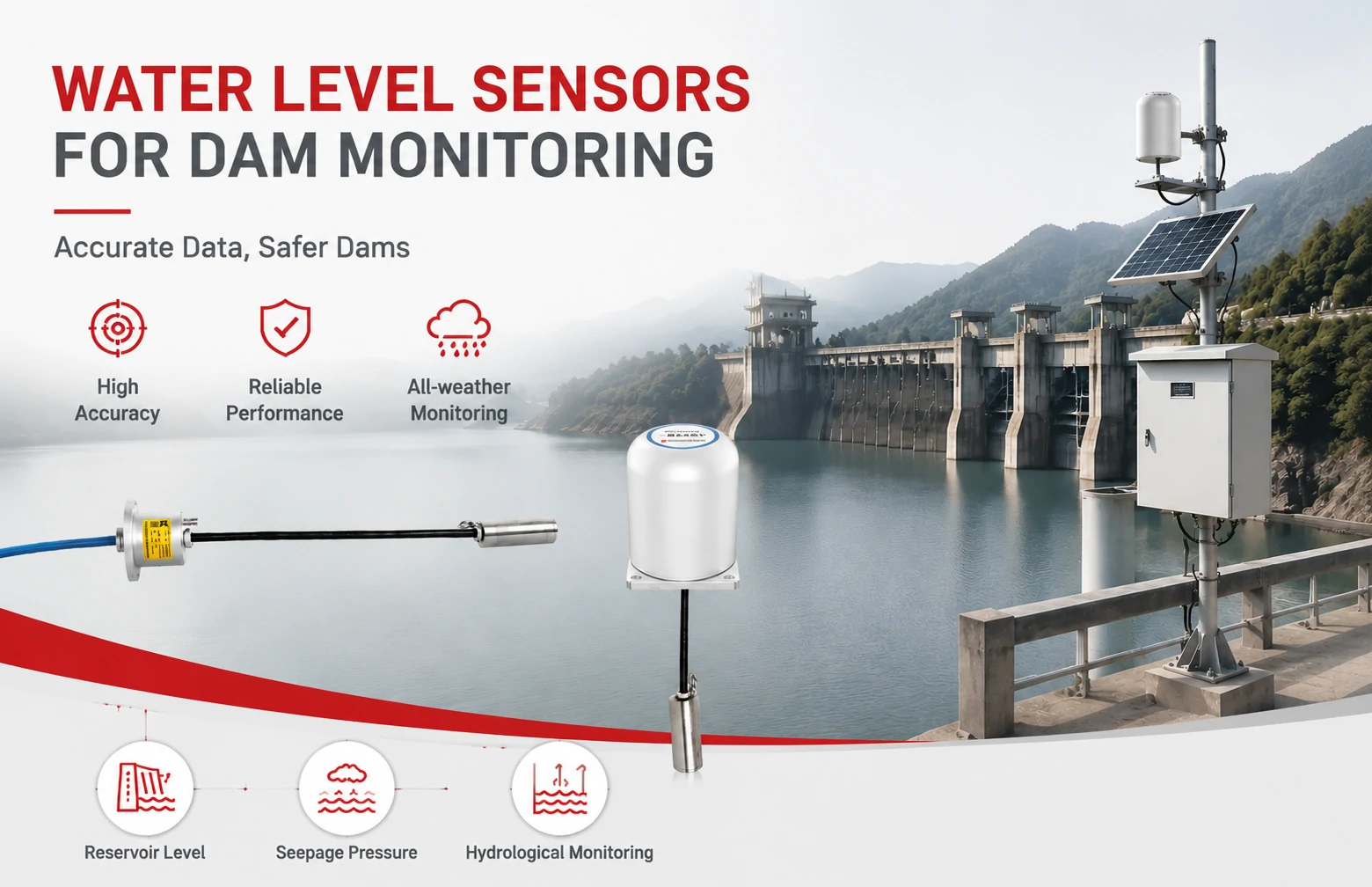
Kingmach Water Level Sensors for Dam Monitoring: A Buyer's Guide to Differential Pre...
Products
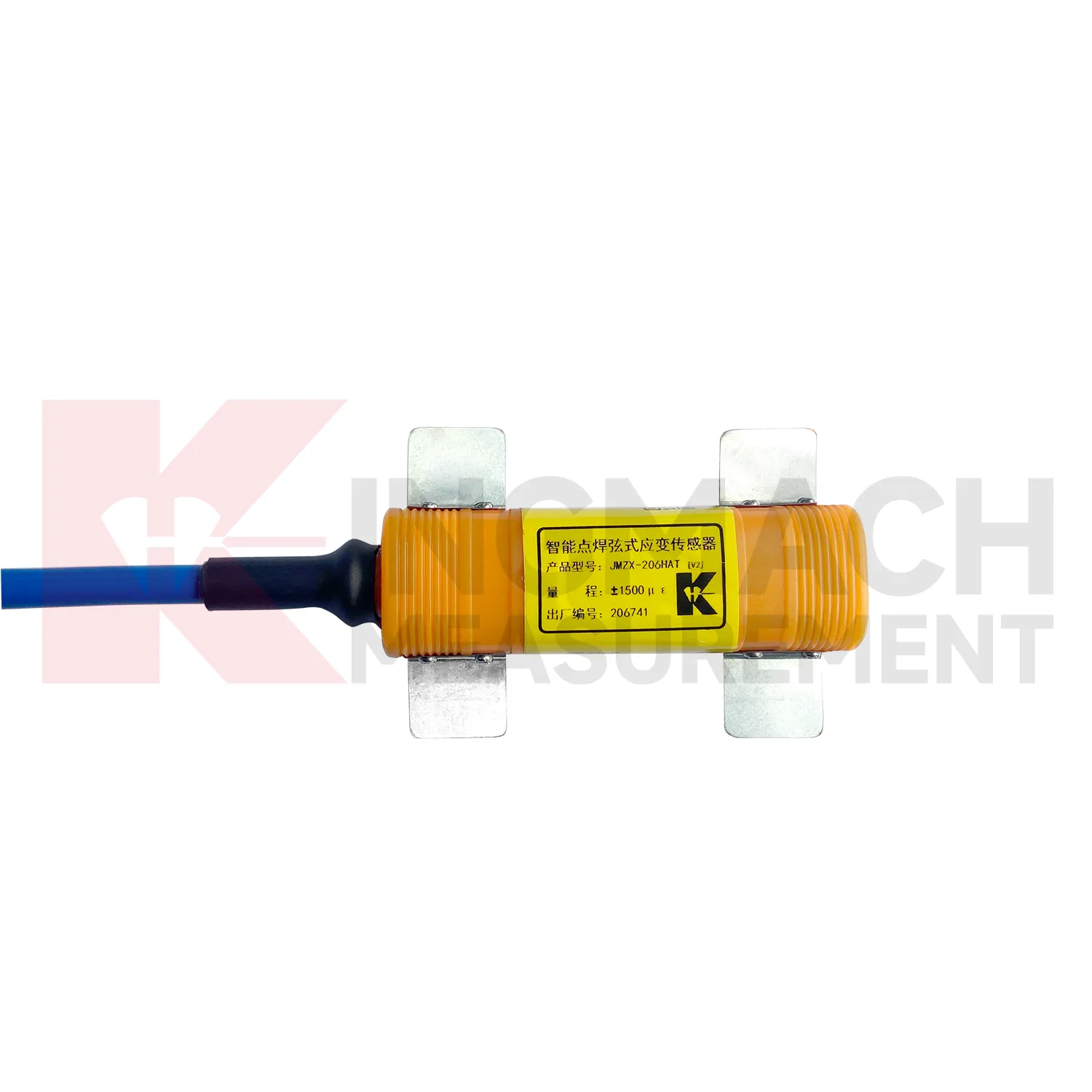
Smart vibrating wire strain gauge (surface welded model) JMZX-206HAT
View Details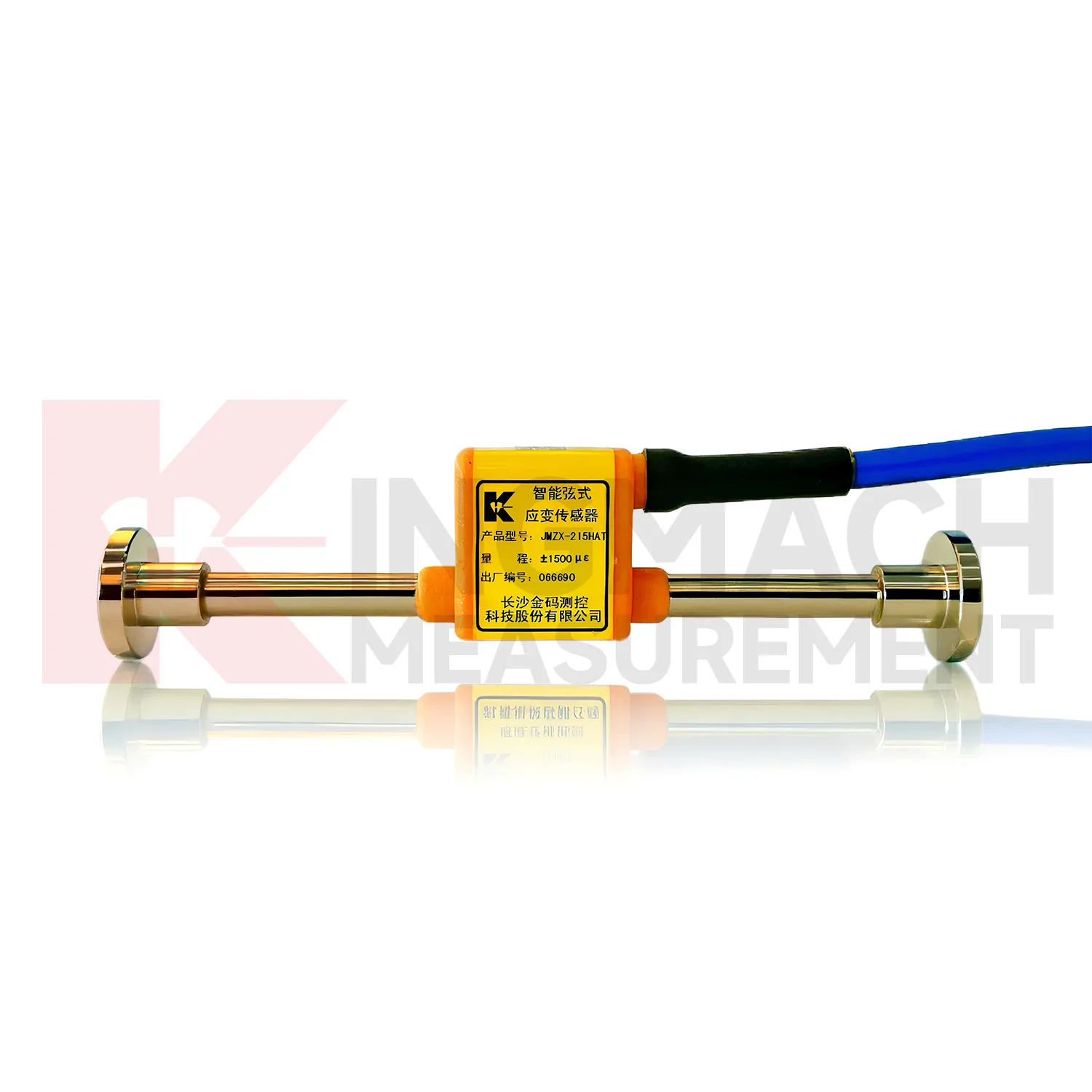
Smart vibrating wire strain gauge (embedment model) JMZX-215HA/215HAT/HB
View Details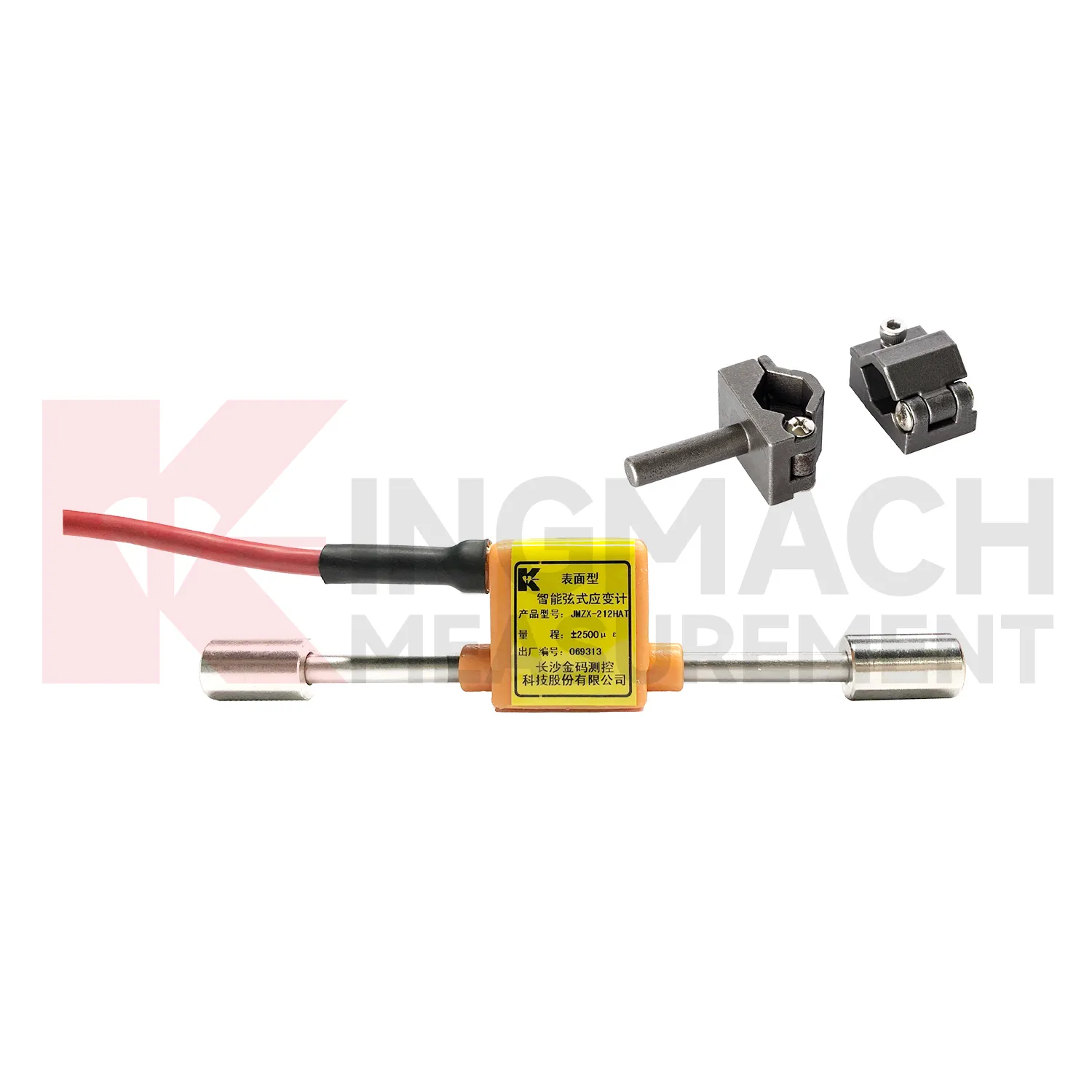
Smart vibrating wire strain gauge (surface model) JMZX-212HAT/HB
View DetailsFAQ
It cannot be measured directly, but it can be calculated indirectly. Strain gauges measure microstrain, which needs to be multiplied by the length to get the deformation. For example, a 1-meter-long steel beam has a strain reading of 500 με, which means it has stretched 0.5 mm. During monitoring, we often install the strain gauge on a gauge base of known length, so that the conversion is more accurate.
Very particular. Cleanliness, roughness, and flatness will all affect the pasting effect. Generally, it needs to be polished to about Ra 3.2, wiped clean with acetone, and then coated with primer. If there is oil or rust on the surface, the degree of data drift will cause headaches. Kingmach provides a detailed installation manual and training videos to avoid improper installation.
It depends on the protective measures. We have tested that the insulation resistance of strain gauges with sealant and waterproof coating can be maintained above 500 MΩ after being soaked in water for half a year. In actual projects, such as high-humidity environments in tunnels, it can be used for more than two years. But in the long term, it is recommended to calibrate regularly, or use vibrating wire sensors as a complement.
It depends on the structure and construction period. The welding type is fast and suitable for the surface of steel structures. It only takes a few minutes to spot it without waiting for the glue to dry. The adhesive type is more versatile and can be used on concrete and composite materials, but it requires maintenance time. If the construction period is tight, the spot welding type has obvious advantages. However, welding has heat input and has a certain impact on the sensitive grid. We will make compensation when leaving the factory.
Share your product type, target capacity, and application requirements. Our team can review the details and recommend a practical next step.
If you are interested in our products or want to become our partner.
Please leave your contact information, our team will contact you as soon as possible.
Mail: [email protected]
Contact Us: +8613808434127
Address: No. 188 Tongzipo West Rd, Changsha, Hunan, China