
 EN
EN
 ar
ar bg
bg hr
hr cs
cs da
da nl
nl fi
fi fr
fr de
de el
el hi
hi it
it ko
ko no
no pl
pl pt
pt ro
ro ru
ru es
es sv
sv tl
tl iw
iw id
id lv
lv lt
lt sr
sr sk
sk sl
sl uk
uk vi
vi et
et hu
hu th
th tr
tr fa
fa ms
ms hy
hy ka
ka ur
ur bn
bn mn
mn ta
ta kk
kk uz
uz ku
ku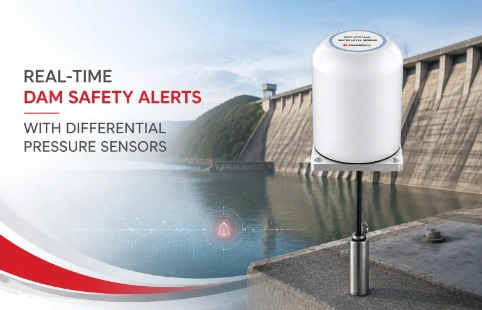
Real-Time Dam Safety Alerts with Differential Pressure Water Level Sensors
Key Takeaways An alert chain needs more than a sensor: define field in...

Tension Load Cell Calibration: Keeping Force Data Trustworthy
A tension load cell that’s out of calibration doesn’t just give wrong numbers—it can lead to wrong decisions on site. Whether you’re monitoring anchor tension, checking structural cables, or running a test bench, the sensor’s accuracy matters. Calibration pulls the readings back in line with a traceable reference. Kingmach builds these sensors for long-term geotechnical use and understands that field conditions, cable changes, or just time can shift the output. We don’t have a one-button fix, but we can talk you through what it takes to recalibrate correctly, whether you send the unit in or set up a check on your own rig.
Technical Detail
Tension load cells from Kingmach are made for harsh outdoor monitoring, but they still need periodic calibration to stay within spec. The sensors use strain gauge technology and typically ship with a calibration sheet that shows you the linearity, hysteresis, and zero balance. For a full recalibration, a hydraulic test frame with a certified reference load cell is the standard approach. Dead weights work too, if you have the setup. Field checks often use a shunt calibration—applying a known resistance across the bridge to simulate a load. That won’t replace a full calibration, but it tells you if the sensor drifted significantly. We calibrate each unit before it leaves our factory to standards traceable to national metrology institutes. If you need a re‑cal later, you can return the sensor to us or follow our documented procedure if you have the equipment in‑house. Our support team can help interpret the data sheet and spot issues like increasing creep or non‑linearity, which might signal a developing fault. Getting the calibration interval right depends on how the sensor is used. A load cell in a stable lab might go a year without issues; one in a wet, vibrating tunnel might need checks every few months. We recommend setting the interval based on your own drift history.
News
Key Takeaways An alert chain needs more than a sensor: define field in...
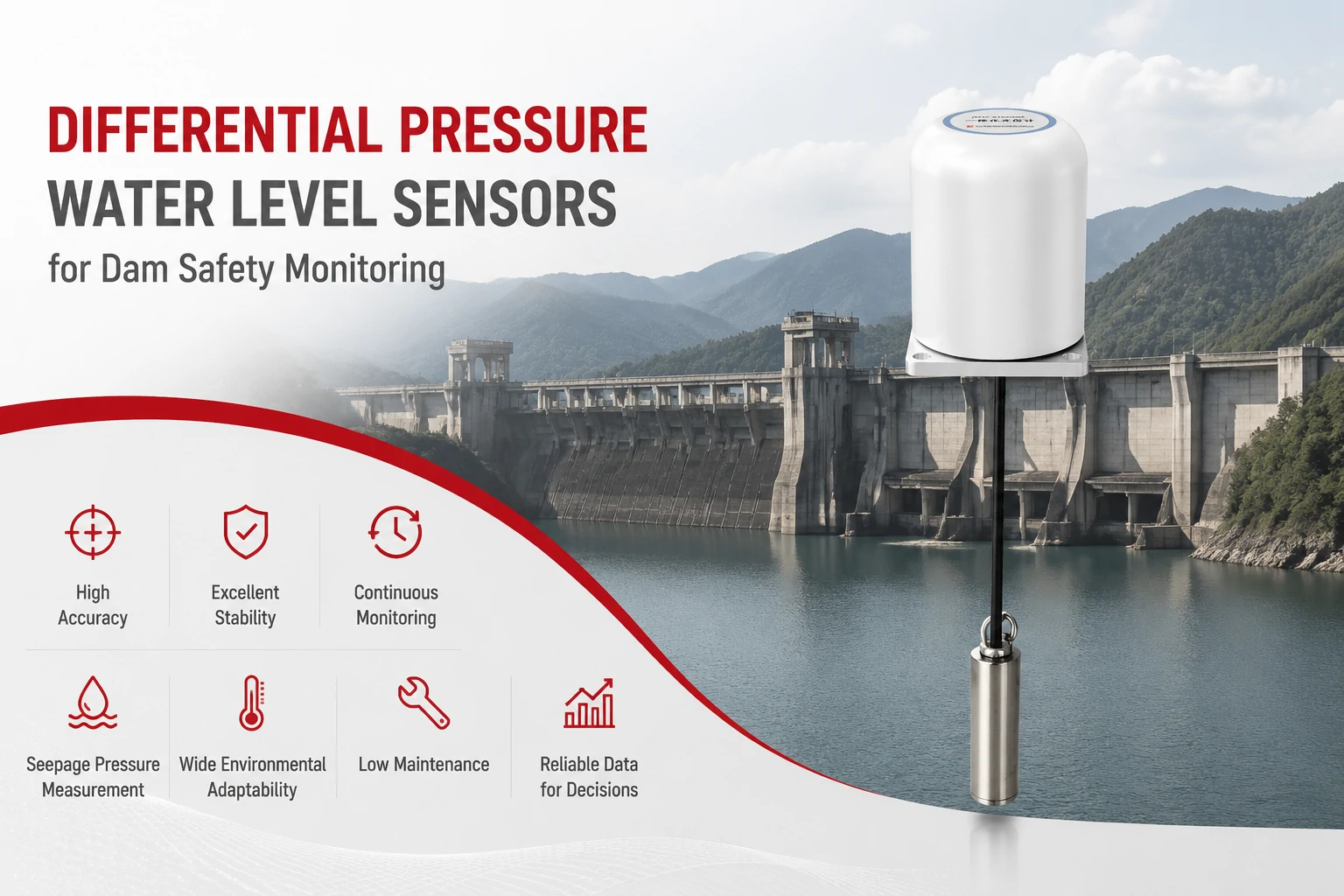
Key Takeaways The strongest fit is usually a confined, submerged, or s...
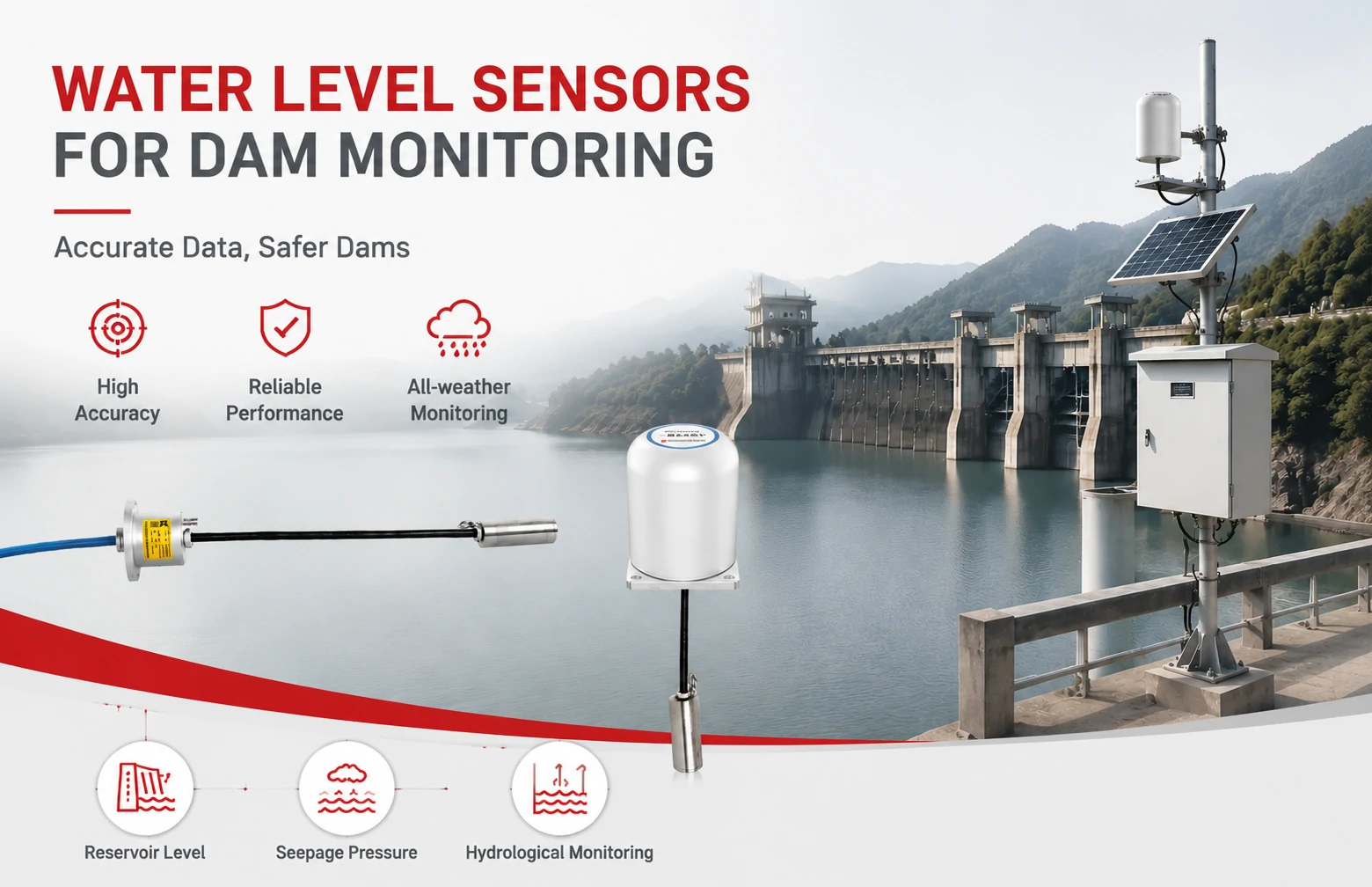
Kingmach Water Level Sensors for Dam Monitoring: A Buyer's Guide to Differential Pre...
Products
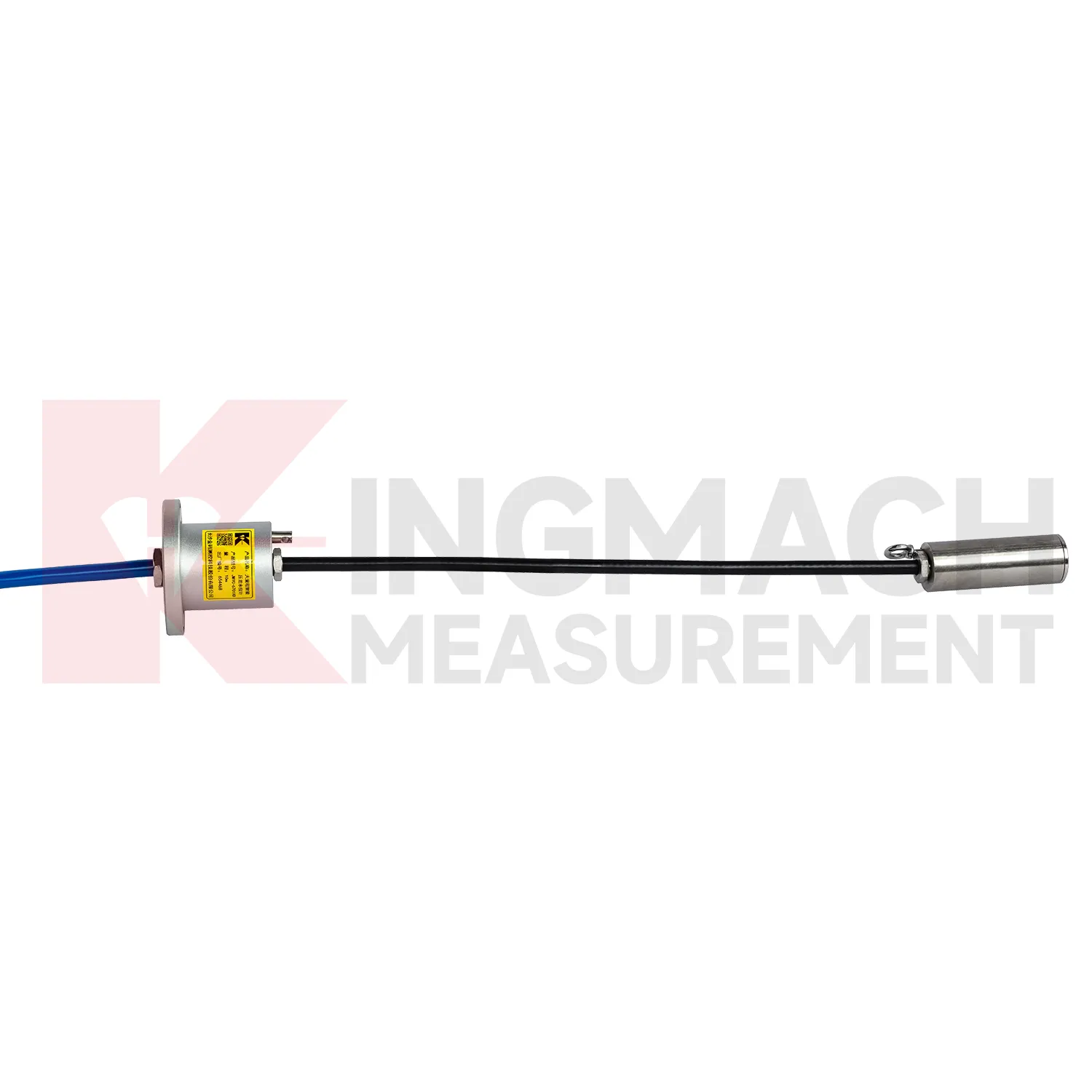
Wide-Range Smart Differential Pressure Water Level Meter JMYC-67XXAD
View Details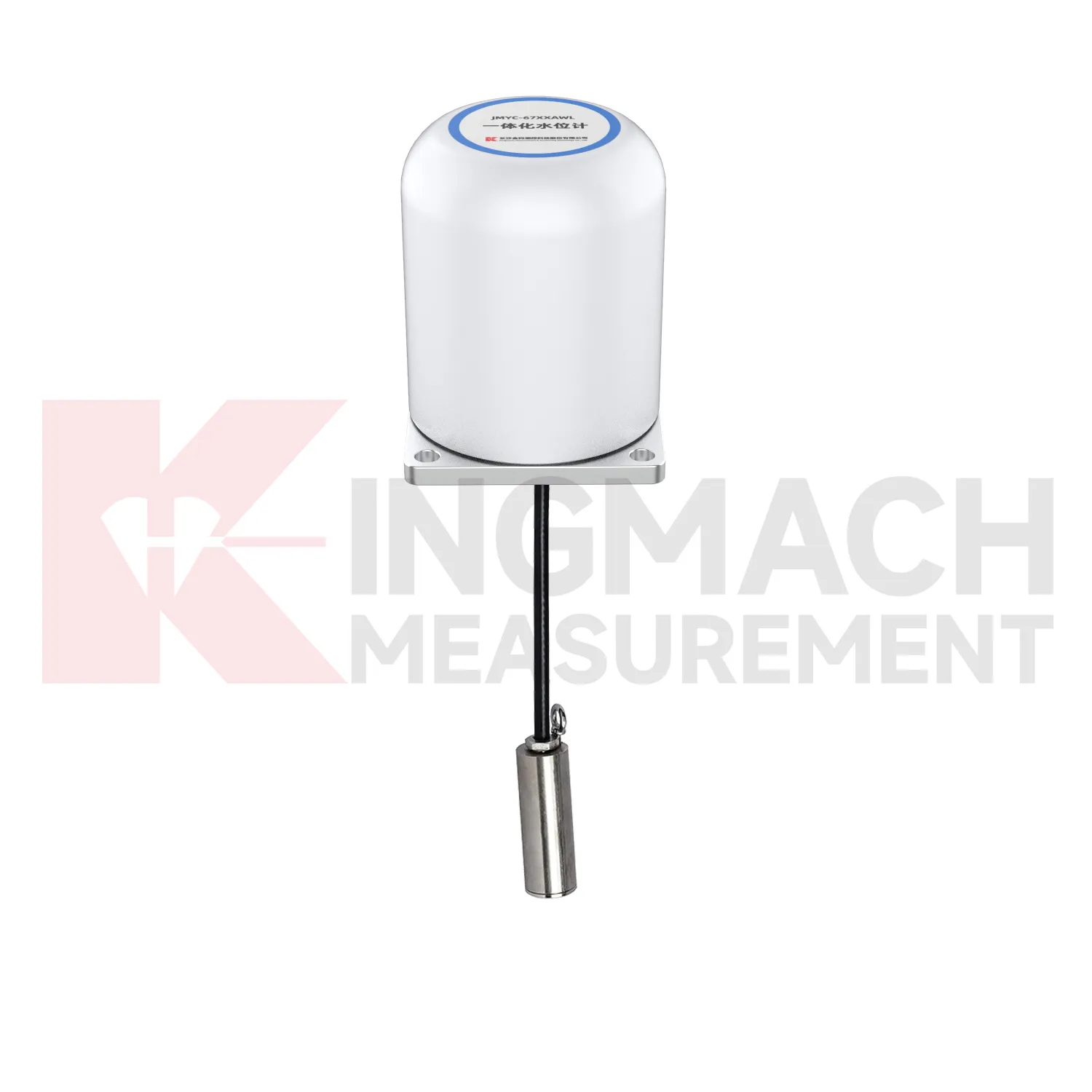
Integrated Wide-Range Differential Pressure Water Level Meter JMYC-67XXAWL
View Details
Smart Vibrating Wire PiezometerSmart Piezometers (VW) JMZX-55XXHAT
View DetailsFAQ
It varies. In a stable environment, annual calibration might be enough. If the sensor sees shock loads, temperature swings, or moisture, a six‑month or even quarterly check makes sense. Look at past calibration records—if drift is small, you can extend the interval. If you don’t have records yet, start with six months and adjust.
Yes, but it’s usually a field check, not a full calibration. You can use a shunt calibration to verify the bridge health, or hang known weights if you have a way to apply tension safely. For a traceable calibration, you’ll need a reference load cell and a tension frame. Many teams do a quick on‑site check between lab calibrations.
A factory calibration from Kingmach uses standards traceable to national references and gives you a plot of output vs. load. It’s enough for most industrial uses. An accredited calibration (ISO 17025) comes with more documented uncertainty and is often required for testing labs or legal metrology.
If you give us the sensor’s serial number, we can usually pull the original calibration data from our records and send you a duplicate. That’s useful when you need to set up a new readout and want the original sensitivity value.
The immediate problem is inaccurate data. A sensor that drifts upward makes loads look higher than they are; zero shift can mask real changes. Over time, ignoring calibration can hide fatigue in the sensor itself—like creeping structural damage that eventually leads to total failure. Regular checks catch those trends early.
Share your product type, target capacity, and application requirements. Our team can review the details and recommend a practical next step.
If you are interested in our products or want to become our partner.
Please leave your contact information, our team will contact you as soon as possible.
Mail: [email protected]
Contact Us: +8613808434127
Address: No. 188 Tongzipo West Rd, Changsha, Hunan, China