
 EN
EN
 ar
ar bg
bg hr
hr cs
cs da
da nl
nl fi
fi fr
fr de
de el
el hi
hi it
it ko
ko no
no pl
pl pt
pt ro
ro ru
ru es
es sv
sv tl
tl iw
iw id
id lv
lv lt
lt sr
sr sk
sk sl
sl uk
uk vi
vi et
et hu
hu th
th tr
tr fa
fa ms
ms hy
hy ka
ka ur
ur bn
bn mn
mn ta
ta kk
kk uz
uz ku
ku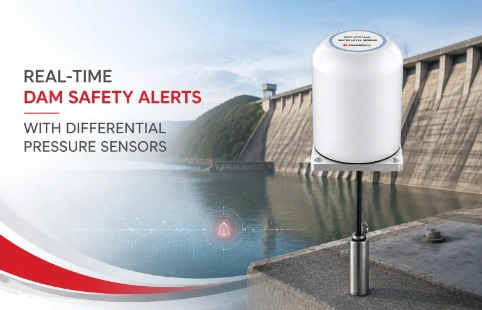
Real-Time Dam Safety Alerts with Differential Pressure Water Level Sensors
Key Takeaways An alert chain needs more than a sensor: define field in...

Tipping Bucket Rain Gauge: 0.1 mm Resolution Typical
The 0.1 mm tipping bucket rain gauge sits at a practical balance point for many field hydrologists and meteorologists. It’s fine enough to capture light drizzle that courser gauges might miss, yet the bucket mechanism remains robust for extended deployments. For projects where precipitation intensity changes quickly or where accurate hourly totals matter, this resolution often becomes a baseline requirement. Kingmach manufactures these gauges with an eye on compatibility—they integrate with most standard data loggers and telemetry setups used in slope monitoring, river stage networks, and automated weather stations. Rather than chasing extreme specifications, the focus stays on reliable mechanics, consistent calibration, and clean pulse output that can be read by both low-power loggers and more complex RTUs. Customization options cover different mounting brackets, funnel materials, and output protocols to match site-specific needs. This practical approach addresses what many monitoring programs actually require: a gauge that arrives calibrated, holds calibration season after season, and provides trustworthy data without constant attention.
Technical Detail
A tipping bucket rain gauge with 0.1 mm per tip gives you a granular view of a rain event. Each count represents one-tenth of a millimeter of rainfall, so light precipitation registers clearly while heavy downpours still accumulate fast enough for flood warning applications. The mechanics are simple: a seesaw-like bucket assembly tips when a fixed water volume is reached, sending a brief switch closure for counting. Industry-standard materials for the housing and funnel often include UV-resistant ABS or stainless steel, depending on exposure conditions. Kingmach units come with a pre-adjusted reed switch or opto-interrupter circuit, and the typical output is a dry contact pulse that most off-the-shelf data loggers accept directly. Some configurations offer a pulse divider for loggers with limited counter inputs. While 0.2 mm and 0.5 mm resolutions serve many general-purpose rain gauges, the 0.1 mm resolution becomes useful when you need to capture rainfall onset accurately, quantify very light rain or dew, or align data with World Meteorological Organization recommendations for certain climate studies. In addition to precision, long-term stability depends on the bucket bearings and leveling mechanism. Kingmach includes a built-in bubble level and adjustable feet to simplify installation, and the funnel screen keeps debris from clogging the tipping mechanism. From a compatibility standpoint, the pulse output works with our own multi-parameter monitoring terminals as well as many third-party dataloggers over a simple 2-wire or 3-wire interface. Should your project require non-standard cable lengths, special connector heads, or integration with a specific SCADA protocol, the engineering team offers customization. Global shipments are supported through our distribution network, and after-sales technical assistance covers calibration checks, troubleshooting, and calibration—with a focus on getting your station back online quickly, not upselling unnecessary replacements.
News
Key Takeaways An alert chain needs more than a sensor: define field in...
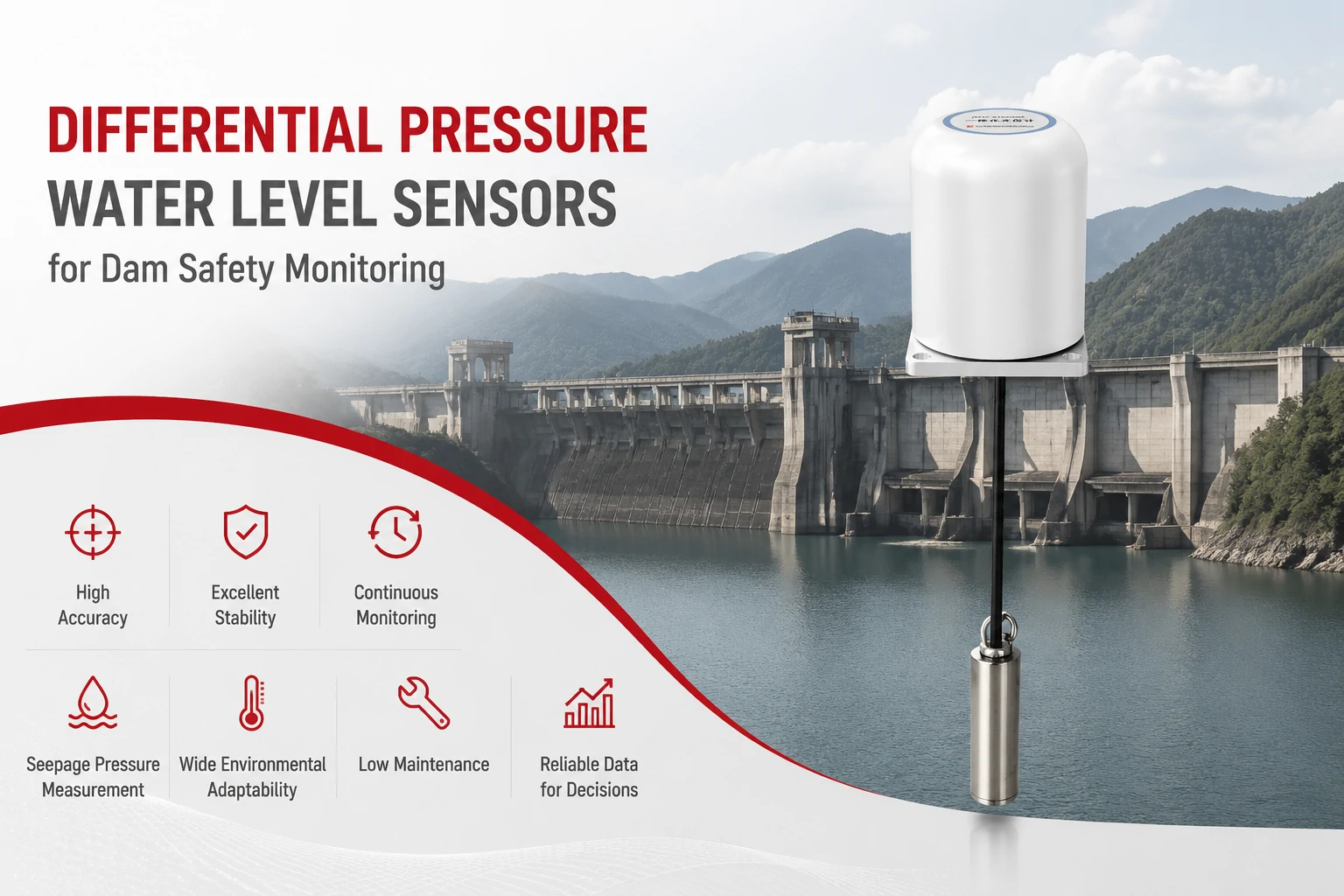
Key Takeaways The strongest fit is usually a confined, submerged, or s...
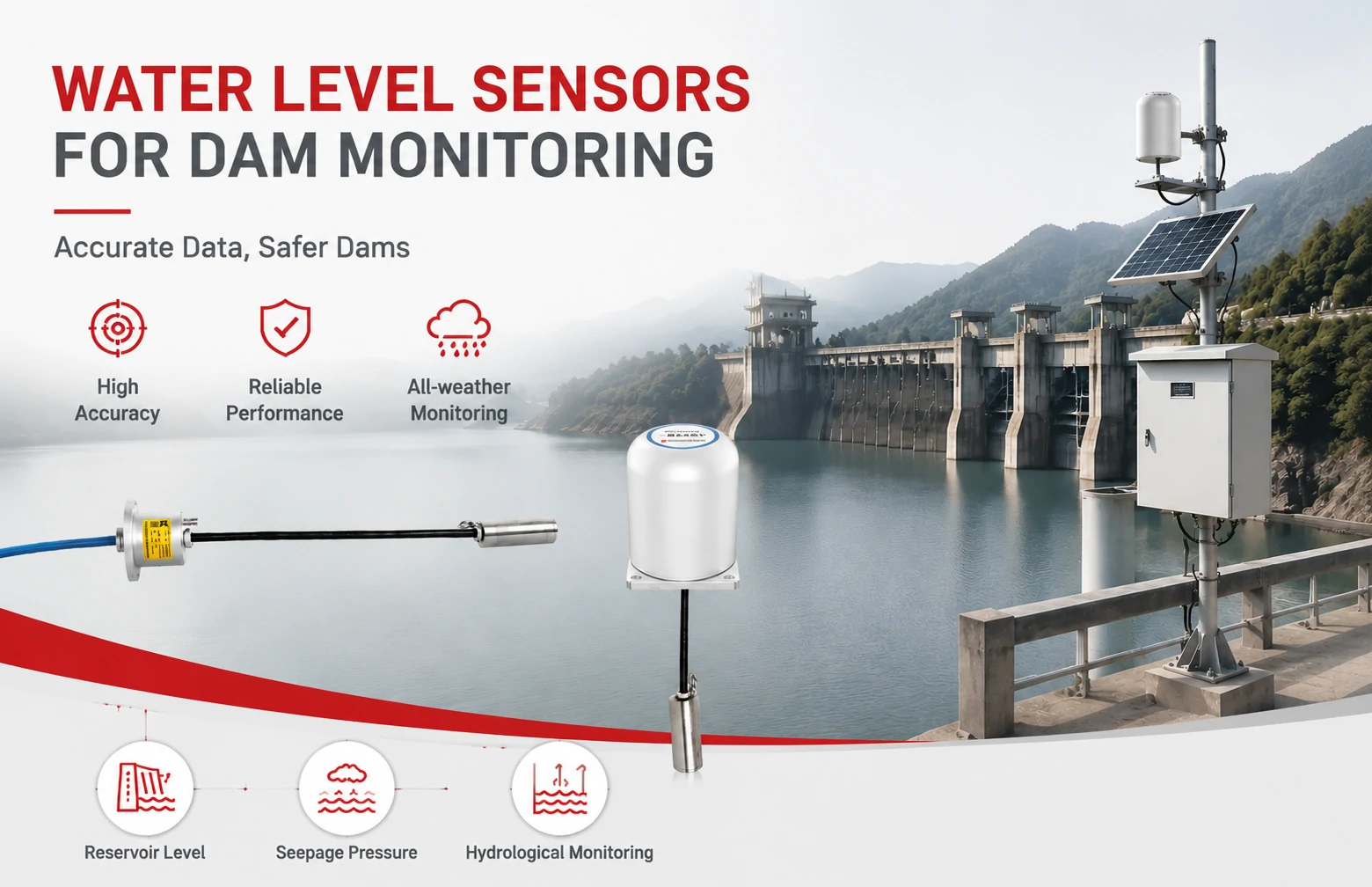
Kingmach Water Level Sensors for Dam Monitoring: A Buyer's Guide to Differential Pre...
Products
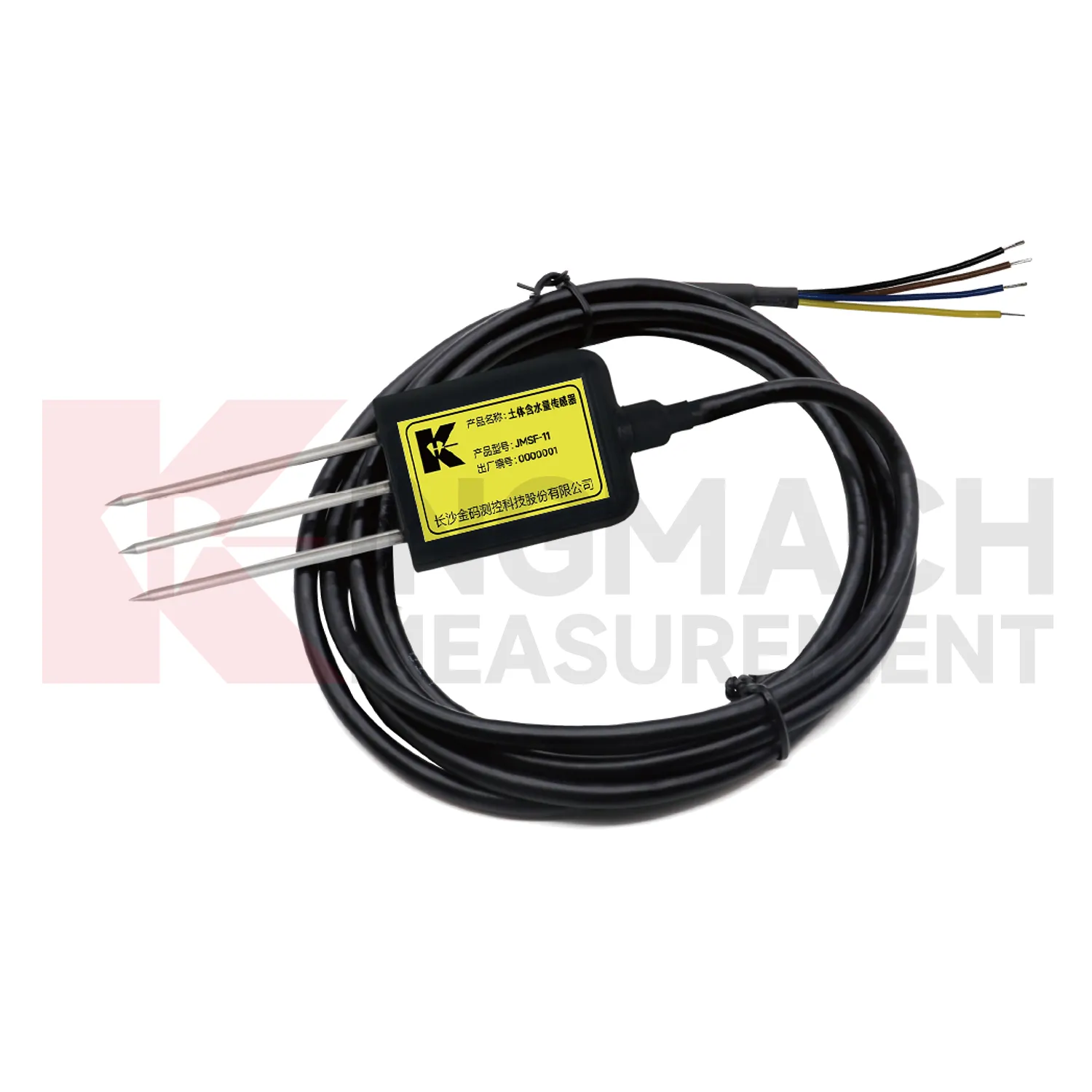
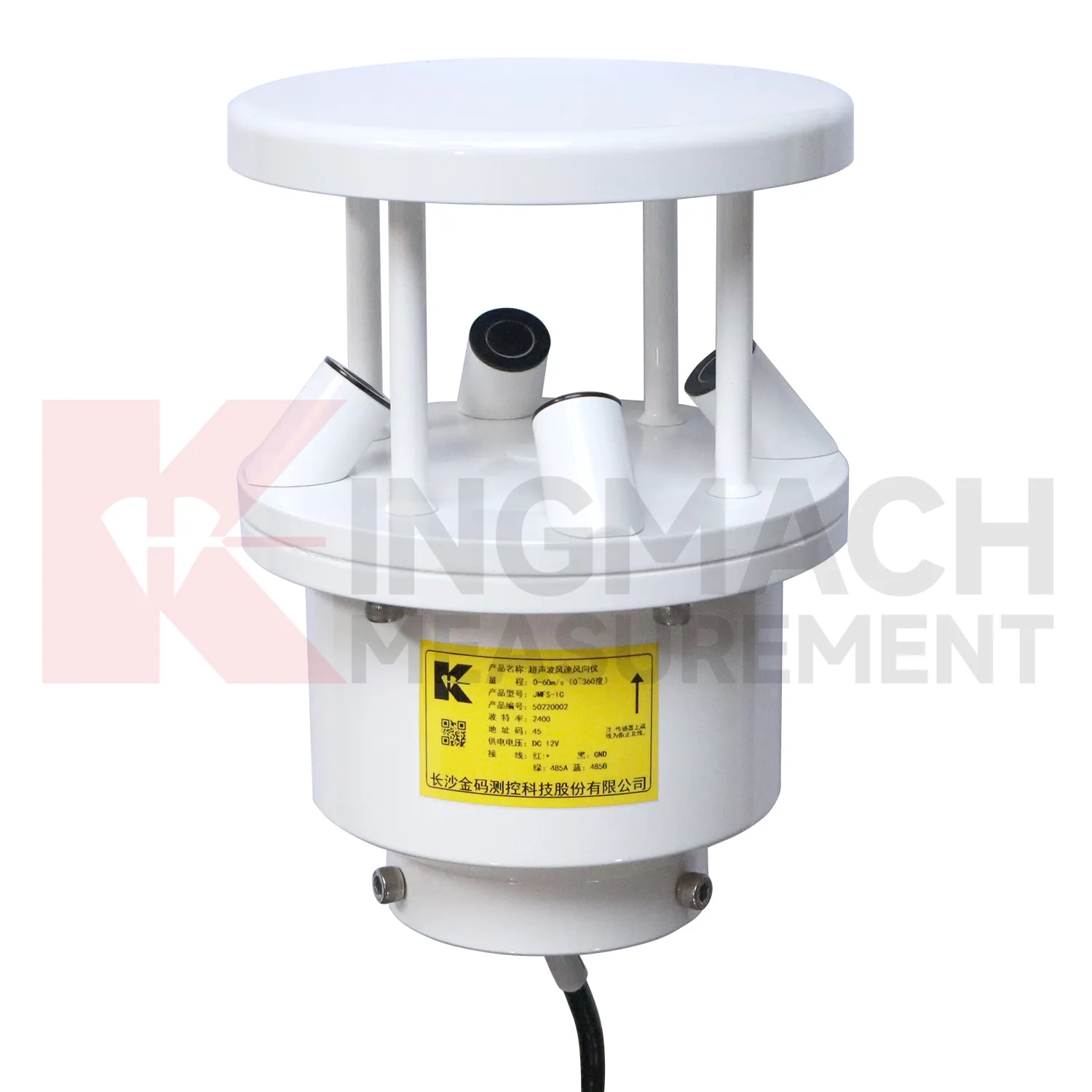
Ultrasonic Wind Speed and Direction Sensor JMFS-1C
View Details
FAQ
The main difference shows up during light rain. With 0.1 mm per tip, you get a finer record—a drizzle that yields 0.3 mm total will register three tips instead of one or none on a 0.5 mm gauge. This matters for evaporation studies, early detection of precipitation, and high-quality climate records. The trade-off is a slightly higher maximum tip rate, but modern electronics handle that easily. For most hydrological applications, 0.2 mm is sufficient, but 0.1 mm provides extra detail when needed.
Almost any logger that counts switch closures. The gauge outputs a dry contact pulse, so you need a logger with a digital input or a counter channel. Low-power loggers with a pull-up resistor work well. If your logger has a fixed sample interval that might miss quick tips, ask about a pulse divider option to accumulate counts. Kingmach can also provide a signal conditioner if your setup requires a 4-20 mA or Modbus interface instead of raw pulses.
With a clean funnel and intact mechanics, the factory calibration typically holds for years. Field calibration is possible using a tipping bucket calibrator or a known water volume and a stopwatch—adjustment screws are accessible under the cover. We recommend a check at installation and then annually if the gauge sits in a high-debris environment. The built-in leveling bubble helps ensure the gauge stays level, which is critical for consistent bucket volume.
It works, but with some preparation. In dusty areas, the funnel screen requires periodic cleaning. For freezing climates, many users pair it with a heated funnel or jacket—we can supply a version with an integrated heating element. The tipping mechanism itself doesn’t freeze easily if the drain path remains open. Make sure the mounting allows for some thermal insulation under the base plate to reduce frost bridging.
Yes, customization is a standard part of our work. Options include non-standard cable lengths, specific connectors, mounting masts for different pole diameters, funnel extensions for high-wind areas, and even dual-reed switches for redundancy. We also offer labeling and documentation to match your project naming conventions. The timeline depends on the changes, but most customizations add only a few days to delivery.
Share your product type, target capacity, and application requirements. Our team can review the details and recommend a practical next step.
If you are interested in our products or want to become our partner.
Please leave your contact information, our team will contact you as soon as possible.
Mail: [email protected]
Contact Us: +8613808434127
Address: No. 188 Tongzipo West Rd, Changsha, Hunan, China